 Back
BackControl of Microbial Growth: Principles and Methods
Study Guide - Smart Notes
 Tailored notes based on your materials, expanded with key definitions, examples, and context.
Control of Microbial Growth
Introduction
The control of microbial growth is essential in healthcare, food safety, and laboratory settings. Understanding the principles and methods used to limit or eliminate microorganisms helps prevent infection, spoilage, and contamination.
Basic Principles of Microbial Control
Microbial Death and Death Rates
Microbial death: Permanent loss of reproductive ability under ideal environmental conditions.
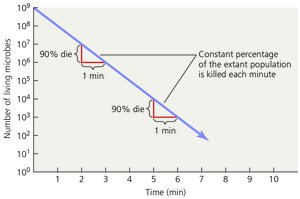
Microbial death rate: Often constant for a microorganism under a particular set of conditions. When plotted on a semilogarithmic graph, this produces a straight line, indicating a constant percentage of the population is killed per unit time.
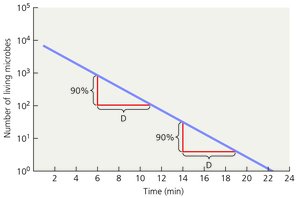
Decimal reduction time (D-value): The time required to kill 90% of the microorganisms present in a sample at a specific temperature.
Action of Antimicrobial Agents
Modes of Action
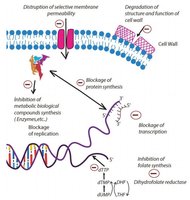
Alteration of cell walls and membranes: Damaging the cell wall causes cells to burst due to osmotic effects. Damaging the cytoplasmic membrane leads to leakage of cellular contents.
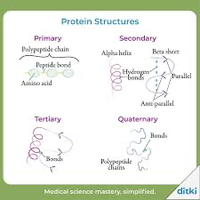
Interference with protein and nucleic acid structure: Extreme heat or chemicals can denature proteins, while chemicals, radiation, and heat can alter or destroy nucleic acids, producing fatal mutations or halting protein synthesis.
Nonenveloped viruses are generally more resistant to harsh conditions than enveloped viruses.
Selection of Microbial Control Methods
Criteria for Ideal Agents
Inexpensive
Fast-acting
Stable during storage
Capable of controlling microbial growth while being harmless to humans, animals, and objects
No single method meets all criteria; selection depends on several factors:
Factors Affecting Efficacy
Site to be treated: Harsh chemicals and extreme heat cannot be used on humans, animals, or fragile objects. The method depends on the medical procedure and the nature of the site.
Relative susceptibilities of microbes: Microorganisms vary in their resistance to antimicrobial agents.
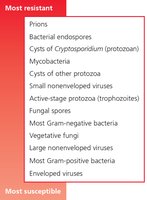
Resistance Level | Microorganism |
|---|---|
Most resistant | Prions, Bacterial endospores |
Intermediate | Mycobacteria, Protozoan cysts, Small nonenveloped viruses |
Least resistant | Enveloped viruses, Most Gram-positive bacteria |
Environmental conditions: Temperature and pH can affect microbial death rates and the efficacy of antimicrobial methods. Organic materials may interfere with the penetration of heat, chemicals, or radiation, and may inactivate chemical disinfectants.
Biosafety Levels
Laboratory Safety
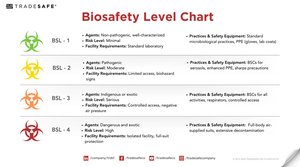
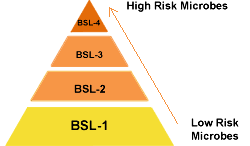
There are four biosafety levels (BSL) for laboratories, each with increasing containment and safety measures for handling pathogens:
BSL-1: Basic precautions for low-risk microbes (e.g., E. coli).
BSL-2: Moderate precautions for pathogens like Salmonella; PPE required.
BSL-3: High precautions for airborne diseases like tuberculosis; controlled environment.
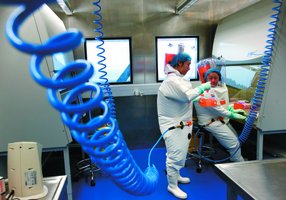
BSL-4: Maximum containment for deadly viruses (e.g., Ebola); full containment suits and facilities.

Physical Methods of Microbial Control
Heat-Related Methods
High temperatures denature proteins, disrupt membranes and cell walls, and damage nucleic acids.
Thermal death point (TDP): Lowest temperature that kills all cells in a broth in 10 minutes.
Thermal death time (TDT): Minimum time to sterilize a volume of liquid at a set temperature.

Moist Heat Methods
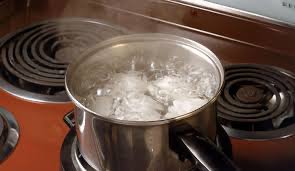
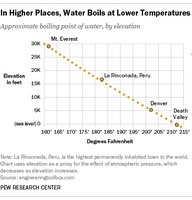
Boiling: Kills vegetative cells of bacteria and fungi, protozoan trophozoites, and most viruses. Boiling time is critical and varies with elevation. Endospores, protozoan cysts, and some viruses can survive boiling.
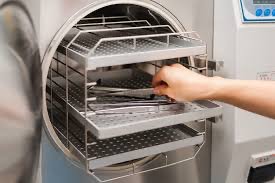
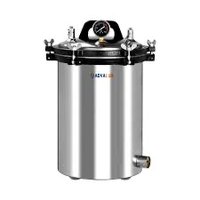
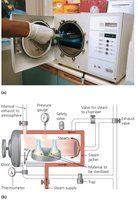
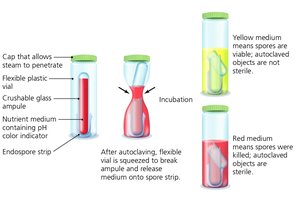
Autoclaving: Uses pressure to increase boiling temperature of water. Standard conditions are 121°C, 15 psi, for 15 minutes. Effective for sterilization.
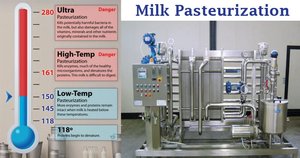
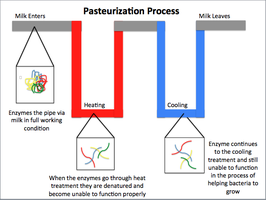
Pasteurization: Used for milk, ice cream, yogurt, and fruit juices. Not sterilization; heat-tolerant microbes survive. Methods include batch, flash, and ultra-high-temperature (UHT) pasteurization.
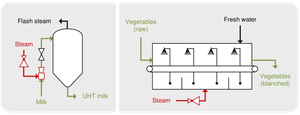
Ultra-high-temperature sterilization (UHT): 140°C for 1–3 seconds, then rapid cooling. Treated liquids can be stored at room temperature.
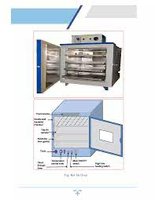
Dry Heat Methods
Used for materials that cannot be sterilized with moist heat.
Denatures proteins and oxidizes metabolic and structural chemicals.
Requires higher temperatures and longer times than moist heat.
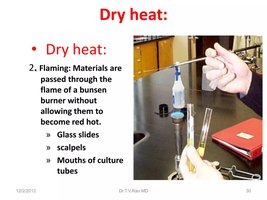
Incineration is the ultimate means of sterilization.
Refrigeration and Freezing
Decrease microbial metabolism, growth, and reproduction by slowing chemical reactions and making liquid water unavailable.
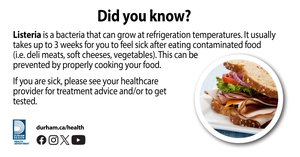
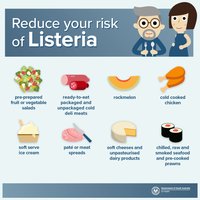
Refrigeration halts growth of most pathogens, but some microbes (e.g., Listeria) can multiply in refrigerated foods.
Slow freezing is more effective than quick freezing; organisms vary in susceptibility.

Desiccation and Lyophilization
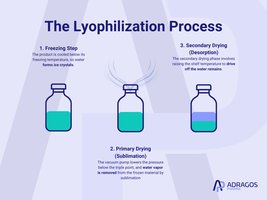
Desiccation (drying): Inhibits microbial growth by removing water.
Lyophilization (freeze-drying): Used for long-term preservation of microbial cultures; prevents formation of damaging ice crystals.

Summary Table: Physical Methods of Microbial Control
Method | Mechanism | Application |
|---|---|---|
Moist Heat (Boiling, Autoclaving, Pasteurization, UHT) | Denatures proteins, destroys membranes | Liquids, media, instruments, food |
Dry Heat (Flaming, Incineration, Hot Air) | Oxidizes and denatures proteins | Glassware, powders, oils |
Refrigeration/Freezing | Slows metabolism, inhibits growth | Food, cultures |
Desiccation/Lyophilization | Removes water, prevents metabolism | Preservation of food and cultures |
Additional info: The selection of microbial control methods is context-dependent, balancing efficacy, safety, and practicality. Understanding the resistance of different microbes and the mechanisms of action of control methods is crucial for effective application in clinical, laboratory, and everyday settings.
