 Back
slides #8 - Control of Microbial Growth: Principles and Practices
Study Guide - Smart Notes
 Tailored notes based on your materials, expanded with key definitions, examples, and context.
slides 8 - Control of Microbial Growth
Introduction
The control of microbial growth is essential in healthcare, laboratory, and domestic settings to reduce transmission and limit exposure to potentially harmful microorganisms. This process involves a combination of physical, chemical, and mechanical methods to either kill (microbicidal) or inhibit (microbistatic) microbial growth, as well as to physically remove microbes from surfaces.
Key Definitions and Concepts
Basic Terminology
Sterilization: The complete removal or destruction of all forms of microbial life, including spores.
Disinfection: Reduction of the number of vegetative organisms to a level considered safe.
Antisepsis: Disinfection of skin or other living tissues.
Preservation: Prevention of microbial growth that might damage a product.
Cleaning: General removal of debris (e.g., dirt, food, blood), which reduces organic matter that supports microbial proliferation.
Microbicidal: Agents or processes that kill microbes.
Microbistatic: Agents or processes that inhibit microbial growth without killing.
Principles of Microbial Killing
Factors Affecting Death Rate
Temperature: Higher temperatures generally increase the rate of microbial death.
Type of Microbe: Some microbes, such as those in biofilms or endospores, are more resistant.
Presence of Interfering Substances: Organic matter (e.g., vomit, feces) can protect microbes from control measures.
Initial Microbial Load: The time to total elimination depends on the starting number of organisms.
Levels of Disinfection in Healthcare
Device Classification and Required Processing
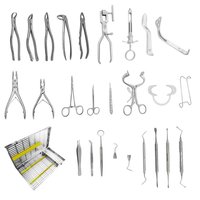
Critical Items: Require sterilization. These include items that enter sterile tissue or the vascular system (e.g., surgical instruments, catheters, implants, needles).
Semi-critical Items: Require high-level disinfection or sterilization. These contact mucous membranes or broken skin (e.g., endoscopes, respiratory therapy equipment).
Non-critical Items: Require intermediate or low-level disinfection. These contact only intact skin (e.g., blood pressure cuffs, stethoscopes, high-touch surfaces).

Linen Handling
All linens are treated as contaminated and bagged at the point of use.
Decontamination involves hot water (160°F for 25 min) or cold water (71–77°F) with chlorine bleach or equivalent detergent.
Physical Methods of Microbial Control
Temperature-Based Methods
Cool Temperatures: Refrigeration slows or halts growth; freezing may kill some organisms (used for preservation).
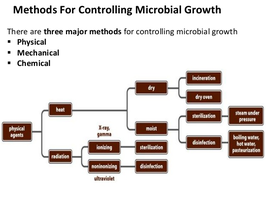
Moist Heat: Denatures proteins and destroys membranes. Methods include:
Boiling: Disinfection, kills vegetative cells but not endospores.
Pasteurization: Disinfection, removes pathogens/spoilage organisms (e.g., 63°C for 30 min, 72°C for 15 sec, or 140°C for 2 sec for UHT).
Autoclaving: Sterilization using steam at 121°C for 15 min at 15 psi. Steam must penetrate all surfaces; temperature, not pressure, is the lethal factor.
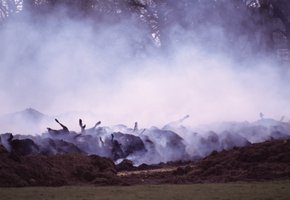
Dry Heat: Includes flaming, incineration, and hot air baking (e.g., 171°C for 1 hr or 160°C for 2 hrs).
Autoclave Operation and Monitoring
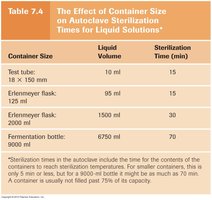
Autoclave effectiveness depends on container size, liquid volume, and exposure time.
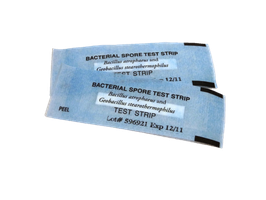
Monitoring involves chemical indicators (color change) and biological indicators (spore strips tested for viability).
Container Size | Liquid Volume | Sterilization Time (min) |
|---|---|---|
Test tube (18 x 150 mm) | 10 ml | 15 |
Erlenmeyer flask (125 ml) | 95 ml | 15 |
Erlenmeyer flask (2000 ml) | 1500 ml | 30 |
Fermentation bottle (9000 ml) | 6750 ml | 70 |

Pressure (psi in Excess of Atmospheric Pressure) | Temperature (°C) |
|---|---|
0 | 100 |
5 | 110 |
10 | 116 |
15 | 121 |
20 | 126 |
30 | 135 |
Radiation
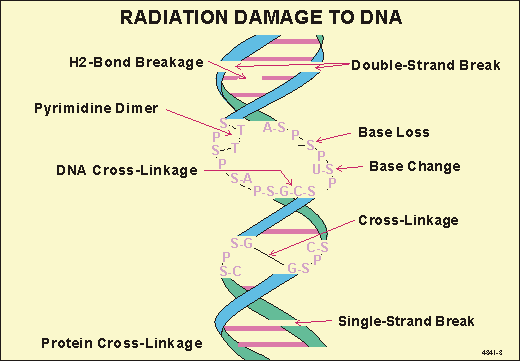
UV Radiation: Causes abnormal DNA bonds (pyrimidine dimers); poor penetration, mainly for surface disinfection.
Ionizing Radiation: Causes DNA breaks; effective for heat-sensitive items but hazardous to humans.
Microwaves: Kill by heat generation, not direct DNA damage.
Filtration
Used for liquids or gases, especially heat-sensitive materials (e.g., media, vaccines).
Removal is based on filter pore size (e.g., 0.22 μm or 0.45 μm for bacteria).
Mechanical methods such as masks also filter microbes from air.
Chemical Methods of Microbial Control
Properties of an Ideal Chemical Disinfectant/Antiseptic
Broad-spectrum activity
Fast acting
Stable and non-toxic to humans
Effective at room temperature
Odorless or pleasant smell
Inexpensive

Modes of Action
Alteration of cell walls
Alteration of membrane permeability
Damage to proteins
Damage to DNA
Factors Affecting Efficacy
Treatment site (e.g., skin vs. instruments vs. surfaces)
Type of microbe (e.g., Gram-positive vs. Gram-negative, presence of endospores)
Environmental conditions (e.g., presence of organic matter)
Major Classes of Chemical Agents
Halogens (Iodine, Chlorine): Strong oxidizing agents; chlorine (bleach) is widely used but not for skin.
Alcohols (Ethanol, Isopropanol): Disinfect skin and surfaces; evaporate quickly.
Heavy Metals (Silver, Mercury): Denature proteins; silver used in medical products, mercury use limited due to toxicity.
Quaternary Ammonium Compounds (Quats): Disrupt plasma membranes; more effective against Gram-positive bacteria; used for antisepsis and surface disinfection.
Aldehydes (Formaldehyde, Glutaraldehyde): Denature proteins; highly effective but irritating; glutaraldehyde can sterilize with prolonged exposure.
Chemical Sterilants (Ethylene Oxide): Denature proteins; effective at ambient temperatures; toxic, so items require aeration after treatment.
Evaluating Disinfectants
Manufacturers must prove efficacy.
Disk-diffusion tests measure the zone of inhibition to assess effectiveness.
Hand Hygiene and Practical Applications
Handwashing
Soap and water with scrubbing physically remove microbes and reduce their numbers.
Effective handwashing can prevent millions of deaths from infectious diseases worldwide.
Summary Table: Methods for Controlling Microbial Growth
Method | Purpose | Examples |
|---|---|---|
Physical (Heat) | Sterilization/Disinfection | Autoclave, Pasteurization, Incineration |
Physical (Radiation) | Sterilization/Disinfection | UV, Gamma rays |
Mechanical | Removal | Filtration, Masks |
Chemical | Sterilization/Disinfection/Antisepsis | Alcohols, Halogens, Quats, Aldehydes |
Example Applications
Contaminated wound dressings: Incineration or autoclaving before disposal.
Used TSA slants: Autoclaving before disposal.
Glass pipettes: Autoclaving or dry heat sterilization before reuse.
Plastic petri dishes: Gamma irradiation or ethylene oxide for sterilization.
Skin inoculation site: Antisepsis with alcohol or iodine.
Culture spill in lab: Cover with disinfectant (e.g., bleach), allow contact time, then clean up.
Heat-sensitive endoscope: High-level chemical disinfection (e.g., glutaraldehyde) or gas sterilization (ethylene oxide).
Media with heat-sensitive components: Filtration sterilization.
Soiled linens from infectious patient: Hot water wash with bleach or equivalent.
Computer keyboard in patient room: Routine cleaning and disinfection with appropriate agents.
