 Back
Control of Microbial Growth: Principles, Methods, and Applications
Study Guide - Smart Notes
 Tailored notes based on your materials, expanded with key definitions, examples, and context.
Control of Microbial Growth
Introduction to Microbial Control
Microbial control is essential in healthcare, food processing, and daily life to prevent infection, spoilage, and contamination. Various methods and agents are used to reduce or eliminate microorganisms, each targeting specific microbial structures and functions.
Terminology of Microbial Control
Sterilization and Commercial Sterilization
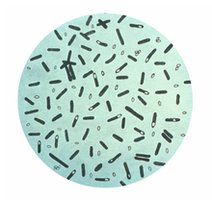
- Sterilization: Removal or destruction of all forms of microbial life, including endospores. - Commercial sterilization: Limited heat treatment used in canned food processing, specifically to kill endospores of Clostridium botulinum. 
Disinfection, Antisepsis, and Degerming
- Disinfection: Destruction of vegetative (non-endospore forming) microorganisms that may be harmful. Methods include chemicals, UV light, steam, and boiling water. - Antiseptic: Chemical used to disinfect living tissue. - Degerming: Removal of microbes from a limited region, usually by mechanical means (e.g., swabbing skin before injection). 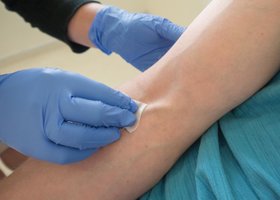
Sanitization and Naming of Treatments
- Sanitization: Lowers microbial counts on eating utensils by high temperature washing or chemical disinfectant.  - Naming conventions: -cide means kill (e.g., bactericide), -stat/-stasis means stop/steady (e.g., bacteriostatic). - Sepsis: Bacterial contamination. - Aseptic: Free of bacterial contamination.
Rate of Microbial Death
Microbial Death Rate and Its Measurement
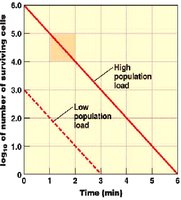
The rate at which microbes die during treatment is exponential. This is important for determining the effectiveness of sterilization and disinfection methods. 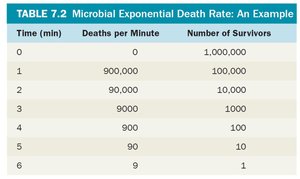
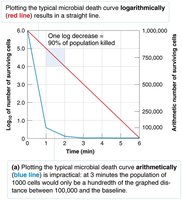 - Thermal death point (TDP): Lowest temperature at which all microbes in a solution are killed in 10 minutes. - Thermal death time (TDT): Minimal length of time for all bacteria in a solution to be killed at a given temperature. - Decimal reduction time (DRT or D value): Time in minutes in which 90% of a bacterial population will be killed at a given temperature.
Factors Affecting Antimicrobial Effectiveness
- Number of microbes: Higher numbers require longer treatment. - Environmental influences: Organic matter and biofilms can protect microbes. - Time of exposure: Longer exposure increases effectiveness. - Microbial characteristics: Some microbes (e.g., endospores, mycobacteria) are more resistant. 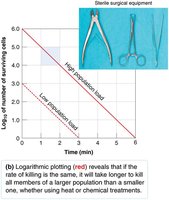
Actions of Microbial Control Agents
Targets of Antimicrobial Agents
- Plasma membrane: Agents damage lipids or proteins, altering permeability. 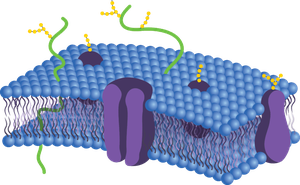 - Proteins: Agents denature proteins by breaking hydrogen and covalent bonds.
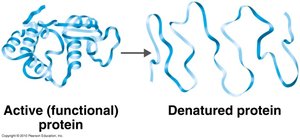 - Nucleic acids: Agents damage DNA or RNA, interfering with replication and protein synthesis.
Physical Methods of Microbial Control
Heat Methods
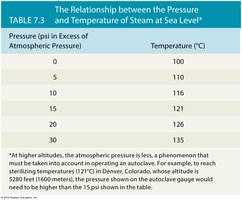
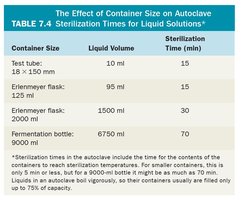
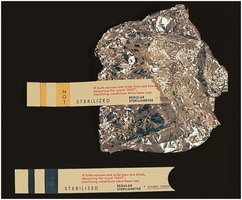
- Moist heat: Denatures proteins by breaking hydrogen bonds. Includes boiling, autoclaving (steam under pressure). - Boiling: Kills bacteria, most viruses, fungi in 10 minutes; endospores and some viruses survive. - Autoclave: Preferred method for sterilization if substance can tolerate it. Kills all organisms and endospores in ~15 minutes. 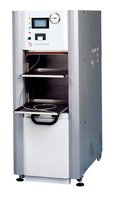
Pasteurization
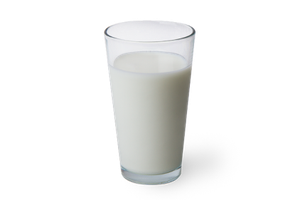
- Pasteurization: Reduces spoilage organisms and pathogens by heating materials for a short time (e.g., milk at 72°C for 15 seconds). - Ultra-high-temperature (UHT) treatment: Sterilizes milk for storage without refrigeration (140°C for 4 seconds). 
Dry Heat
- Direct flaming: Used for sterilizing inoculating loops. 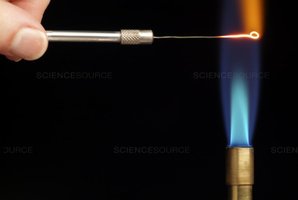 - Incineration: Burns contaminated material to ashes.
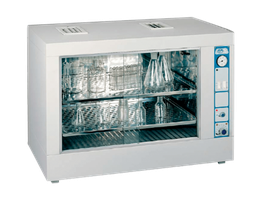
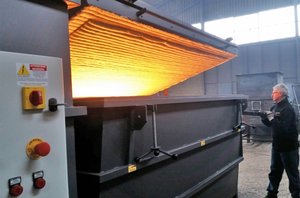 - Hot-air sterilization: Items placed in an oven (~170°C for ~2 hours).
Filtration
- HEPA filters: Remove microbes >0.3 μm in diameter. - Membrane filters: Used for fluids, pore sizes 0.01–0.45 mm. 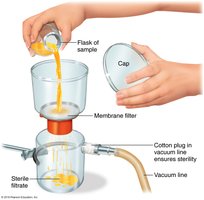
Low Temperatures
- Refrigeration: Slows microbial growth; psychrotrophs grow slowly. - Freezing: Microbes become dormant but are not killed; freeze-thaw cycles are harmful.
Other Physical Methods
- High pressure: Alters molecular structures of carbohydrates and proteins; used for some fruit juices. - Desiccation: Absence of water prevents growth or reproduction; microbes can remain viable for years. - Osmotic pressure: High salt or sugar creates hypertonic solutions, decreasing moisture and inhibiting growth.
Radiation
- Ionizing radiation: Gamma rays, X-rays, high-energy electron beams; ionize water, forming hydroxyl radicals that attack DNA. - Nonionizing radiation: UV light; mutates DNA.
Chemical Methods of Microbial Control
Evaluating Disinfectants
- Use-dilution test: Metal cylinders dipped in test bacteria, dried, placed in disinfectant, then transferred to culture media to check survival. - Disk-diffusion method: Agar plate inoculated with bacteria; filter paper soaked with disinfectant placed on agar; clear zone indicates effectiveness.
Types of Disinfectants
Phenol and Phenolics
- Phenol: Used by Lister in surgeries; rarely used today due to irritation and smell. - Phenolics: Derivatives of phenol, chemically altered to lower irritation; target lipid membranes. 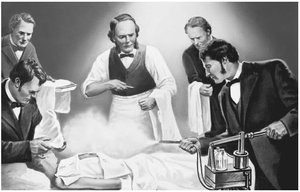
Bisphenols
- Two phenol molecules bridged together; used in disinfectants.
Biguanides
- Chlorhexidine: Used for microbial control on skin and mucous membranes, especially in surgical hand scrubs.
Essential Oils
- Mixtures of hydrocarbons from plants; microbial action due to phenolics and terpenes.
Halogens
- Iodine: Impairs protein synthesis and alters cell membranes; used for skin and wound disinfection. - Chlorine: Germicidal activity due to hypochlorous acid (HOCl); strong oxidizing agent.
Alcohols
- Kill bacteria and fungi (not endospores or nonenveloped viruses); denature proteins and disrupt membranes. - Ethanol and isopropanol: Commonly used. 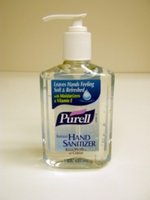
Heavy Metals
- Silver, mercury, copper, zinc: Oligodynamic action; small amounts exert antimicrobial activity by denaturing proteins.
Surface-Active Agents
- Soaps and detergents: Degerming and emulsification. - Quaternary ammonium compounds (Quats): Kill gram-positive bacteria, fungi, amoeba, viruses; not effective against endospores or mycobacteria.
Chemical Food Preservatives
- Sulfur dioxide: Prevents wine spoilage. - Sorbic acid and sodium benzoate: Prevent molds in acidic foods. - Calcium propionate: Fungistat added to bread. - Sodium nitrate and nitrite: Added to meat products; protects against botulism but can form carcinogenic nitrosamines.
Antibiotics and Aldehydes
- Nisin and natamycin: Used in food preservation (cheese). - Aldehydes: Inactivate proteins by forming covalent crosslinks; includes formaldehyde and glutaraldehyde.
Gaseous Chemosterilizers and Peroxygens
- Gaseous chemosterilizers: Sterilize in closed chambers. - Peroxygens: Hydrogen peroxide, peracetic acid, benzoyl peroxide, ozone; used for disinfection and sterilization.
Microbial Characteristics and Microbial Control
Microbial Resistance
- Endospores: Highly resistant to heat, chemicals, and radiation. - Mycobacteria: Resistant due to waxy cell wall. - Viruses: Nonenveloped viruses are more resistant than enveloped viruses.
Summary Table: Physical and Chemical Methods of Microbial Control
Method | Target | Application |
|---|---|---|
Autoclaving | Proteins, endospores | Surgical instruments, media |
Pasteurization | Pathogens, spoilage organisms | Milk, juices |
Filtration | Microbes in liquids | Heat-sensitive solutions |
Alcohols | Proteins, membranes | Skin, surfaces |
Halogens | Proteins, membranes | Water, skin, surfaces |
Heavy metals | Proteins | Ointments, dressings |
Quats | Membranes | Surfaces, utensils |
Food preservatives | Metabolism, membranes | Wine, bread, meat |
Review Questions
Which is a limitation of the autoclave? Answer: c. It cannot be used for materials sensitive to heat.
Which is true of pasteurization? Answer: d. It is meant to eliminate pathogenic microbes.
Historical Context
Development of Microbial Control in Medicine
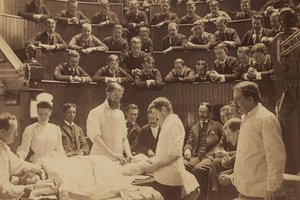
The history of microbial control in hospitals and surgery highlights the importance of sterilization and antisepsis. Early hospitals suffered from poor hygiene and high infection rates, leading to the development of modern sterilization techniques. 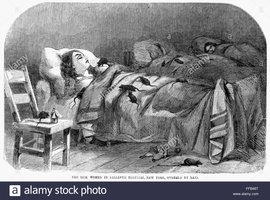


Conclusion
Effective microbial control is achieved through a combination of physical and chemical methods, each with specific targets and applications. Understanding microbial resistance and the factors influencing antimicrobial effectiveness is crucial for safe and effective sterilization, disinfection, and preservation. Additional info: Academic context was added to clarify definitions, historical significance, and practical applications of microbial control methods.
