 Back
BackControlling Microbial Growth in the Body: Antimicrobial Drugs
Study Guide - Smart Notes
 Tailored notes based on your materials, expanded with key definitions, examples, and context.
Controlling Microbial Growth in the Body: Antimicrobial Drugs
Introduction to Antimicrobial Drugs
Antimicrobial drugs are essential tools in the treatment and prevention of infectious diseases. Their primary goal is to destroy or inhibit the growth of pathogenic microbes while minimizing harm to the host. The concept of selective toxicity is central to antimicrobial therapy, ensuring that drugs target microbial structures or functions not found in host cells.
Selective toxicity: The drug should harm the microbe without damaging host tissues.
Microbicidal vs. Microbistatic: Ideally, drugs should kill microbes (microbicidal) rather than merely inhibit their growth (microbistatic).
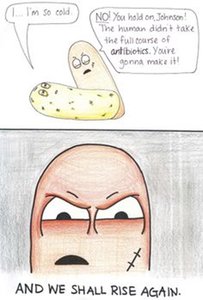
Antimicrobial resistance: Incomplete courses of antibiotics can lead to the survival and resurgence of resistant microbes.
Key Definitions in Antimicrobial Therapy
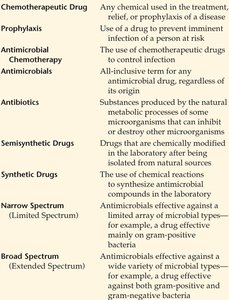
Understanding the terminology associated with antimicrobial drugs is crucial for effective communication and study in microbiology.
Term | Definition |
|---|---|
Chemotherapeutic Drug | Any chemical used in the treatment, relief, or prophylaxis of a disease |
Prophylaxis | Use of a drug to prevent imminent infection of a person at risk |
Antimicrobial Chemotherapy | The use of chemotherapeutic drugs to control infection |
Antimicrobials | All-inclusive term for any antimicrobial drug, regardless of its origin |
Antibiotics | Substances produced by the natural metabolic processes of some microorganisms that can inhibit or destroy other microorganisms |
Semisynthetic Drugs | Drugs that are chemically modified in the laboratory after being isolated from natural sources |
Synthetic Drugs | The use of chemical reactions to synthesize antimicrobial compounds in the laboratory |
Narrow Spectrum | Antimicrobials effective against a limited array of microbial types |
Broad Spectrum | Antimicrobials effective against a wide variety of microbial types |
Characteristics of the Ideal Antimicrobial Drug
The ideal antimicrobial drug should possess several key characteristics to maximize efficacy and minimize harm.
Selectively toxic to the microbe but nontoxic to host cells
Microbicidal rather than microbistatic
Relatively soluble; functions even when highly diluted in body fluids
Remains potent long enough to act and is not broken down or excreted prematurely
Does not lead to the development of antimicrobial resistance
Complements or assists the activities of the host’s defenses
Remains active in tissues and body fluids
Readily delivered to the site of infection
Reasonably priced
Does not disrupt the host’s health by causing allergies or predisposing the host to other infections

Pioneering Contributions in Antimicrobial Therapy
Historical Figures and Discoveries
Several Nobel laureates made foundational contributions to the field of antimicrobial drugs:
Paul Ehrlich: Developed Salvarsan, an arsenic compound effective against syphilis, introducing the concept of the “magic bullet.”
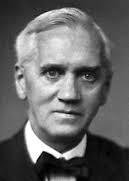
Alexander Fleming: Discovered penicillin, the first true antibiotic, produced by the mold Penicillium chrysogenum.
Gerhard Domagk: Discovered Prontosil, the first sulfonamide antibiotic, used extensively during WWII.
Selman Waksman: Coined the term “antibiotic” and discovered streptomycin, the first drug effective against tuberculosis.
Mechanisms of Antimicrobial Action
Major Targets of Antimicrobial Drugs
Antimicrobial drugs act by targeting structures or processes unique to microbes:
Inhibition of cell wall synthesis
Disruption of cell membrane structure or function
Inhibition of protein synthesis (translation)
Inhibition of nucleic acid synthesis (DNA/RNA)
Inhibition of metabolic pathways (e.g., folic acid biosynthesis)
Prevention of pathogen attachment or entry into host cells
Selective Toxicity and Drug Targets
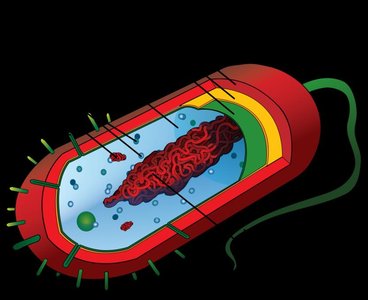
Selective toxicity is achieved by exploiting differences between microbial and host cells:
Bacterial cell walls (peptidoglycan) are absent in animals
Prokaryotic ribosomes (70S) differ from eukaryotic ribosomes (80S)
Unique metabolic pathways (e.g., folic acid synthesis) are targeted
Viral replication machinery is often too similar to host processes for selective targeting
Inhibitors of Cell Wall Synthesis
Beta-Lactam Antibiotics
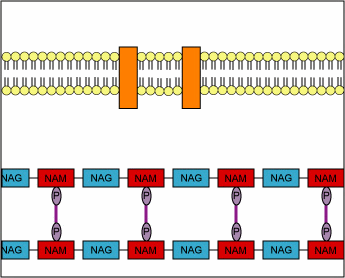
Beta-lactam antibiotics, including penicillins, cephalosporins, and carbapenems, inhibit bacterial cell wall synthesis by blocking the transpeptidase enzyme (penicillin-binding protein, PBP) responsible for cross-linking peptidoglycan strands.
Effective mainly against Gram-positive bacteria
Only active against actively growing bacteria synthesizing new cell walls

Mechanism of Beta-Lactam Action
Beta-lactams bind to the active site of transpeptidase, preventing the formation of peptide cross-links between NAM subunits. This weakens the cell wall, leading to bacterial lysis due to osmotic pressure.

Beta-Lactamase and Resistance
Some bacteria produce beta-lactamase enzymes that hydrolyze the beta-lactam ring, rendering the antibiotic ineffective. Beta-lactamase inhibitors (e.g., clavulanic acid) are often combined with beta-lactam drugs to overcome resistance (e.g., Augmentin = amoxicillin + clavulanic acid).
Other Cell Wall Synthesis Inhibitors
Vancomycin: Binds to D-Ala-D-Ala termini of peptidoglycan precursors, blocking cross-linking. Used for MRSA and C. difficile infections.
Bacitracin: Inhibits the transport of peptidoglycan precursors across the cell membrane by binding to bactoprenol. Used topically due to nephrotoxicity.
Isoniazid & Ethambutol: Inhibit mycolic acid synthesis in Mycobacteria (acid-fast bacteria), essential for treating tuberculosis.



Side Effects of Cell Wall Inhibitors
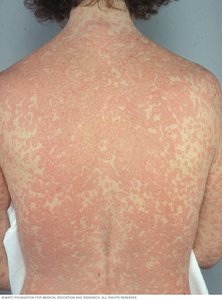
Penicillins: Allergic reactions (rash, hives, anaphylaxis)
Isoniazid: Hepatotoxicity, peripheral neuropathy, rash
Ethambutol: Visual impairment/loss

Inhibitors of Protein Synthesis
Ribosomal Structure and Selectivity
Prokaryotic ribosomes (70S: 30S + 50S subunits) differ from eukaryotic ribosomes (80S: 40S + 60S subunits), allowing selective targeting by antibiotics. However, mitochondrial ribosomes in humans are similar to prokaryotic ribosomes, which can lead to toxicity in metabolically active tissues.

Major Classes of Protein Synthesis Inhibitors
Aminoglycosides (e.g., streptomycin): Bind 16S rRNA of 30S subunit, causing misreading of mRNA and inhibiting elongation. Ototoxic and nephrotoxic.
Tetracyclines (e.g., doxycycline): Bind 16S rRNA, blocking tRNA attachment. Broad spectrum; can cause tooth discoloration and bone effects.
Macrolides (e.g., erythromycin): Bind 23S rRNA of 50S subunit, inhibiting peptide bond formation. Used in penicillin-allergic patients.
Chloramphenicol: Inhibits peptide bond formation; reserved for severe infections due to bone marrow toxicity.
Oxazolidinones and Lincosamides: Inhibit initiation complex formation or peptide transfer; broad spectrum, bacteriostatic.

Inhibitors of Cell Membrane Function
Antifungal and Antibacterial Agents
Polyenes (e.g., amphotericin B, nystatin): Bind ergosterol in fungal membranes, forming pores. Used for serious fungal infections; significant side effects.
Azoles (e.g., fluconazole): Inhibit ergosterol synthesis in fungi.
Polymyxins: Disrupt Gram-negative bacterial membranes; used topically due to toxicity.
Pyrazinamide: Disrupts membrane transport in Mycobacterium tuberculosis.
Inhibitors of Metabolic Pathways
Folic Acid Synthesis Inhibitors
Bacteria synthesize folic acid de novo, unlike humans who obtain it from their diet. Sulfonamides and trimethoprim inhibit enzymes in the folic acid pathway, blocking nucleotide synthesis and thus DNA/RNA production.
Sulfonamides: Competitive inhibitors of PABA, blocking dihydrofolic acid synthesis.
Trimethoprim: Inhibits the enzyme that converts dihydrofolic acid to tetrahydrofolic acid (THF).
Inhibitors of Nucleic Acid Synthesis
DNA and RNA Synthesis Inhibitors
Fluoroquinolones (e.g., ciprofloxacin): Inhibit DNA gyrase and topoisomerase IV, blocking DNA replication and supercoiling.
Rifamycins (e.g., rifampin): Inhibit bacterial RNA polymerase, blocking transcription. Used for tuberculosis and leprosy; can cause red/orange discoloration of body fluids.
Metronidazole (Flagyl): Causes DNA strand breaks in anaerobic bacteria and protozoa; can cause "black hairy tongue" as a side effect.
Summary Table: Major Antimicrobial Drug Classes and Their Targets
Drug Class | Target | Example(s) |
|---|---|---|
Beta-lactams | Cell wall synthesis | Penicillins, cephalosporins |
Glycopeptides | Cell wall synthesis | Vancomycin |
Polypeptides | Cell wall synthesis | Bacitracin |
Aminoglycosides | Protein synthesis (30S) | Streptomycin |
Tetracyclines | Protein synthesis (30S) | Doxycycline |
Macrolides | Protein synthesis (50S) | Erythromycin |
Chloramphenicol | Protein synthesis (50S) | Chloramphenicol |
Polyenes | Cell membrane | Amphotericin B |
Azoles | Cell membrane | Fluconazole |
Polymyxins | Cell membrane | Polymyxin B |
Sulfonamides | Folic acid synthesis | Sulfamethoxazole |
Trimethoprim | Folic acid synthesis | Trimethoprim |
Fluoroquinolones | DNA synthesis | Ciprofloxacin |
Rifamycins | RNA synthesis | Rifampin |
Metronidazole | DNA damage | Flagyl |
Additional info: Students should be aware of the importance of completing the full course of antibiotics to prevent the development of resistance, as illustrated in the introductory comic. Understanding the mechanisms of action and resistance is crucial for future clinical application and for interpreting laboratory results.
