 Back
BackControlling Microbial Growth in the Environment: Principles and Methods
Study Guide - Smart Notes
 Tailored notes based on your materials, expanded with key definitions, examples, and context.
Controlling Microbial Growth in the Environment
Terminology of Microbial Control
Microbial control involves various methods and terms to describe the reduction or elimination of microorganisms from environments, objects, or living tissues. Understanding these terms is essential for effective application and communication in microbiology.
Sterilization: The complete removal or destruction of all microorganisms, including endospores and viruses, from an object or environment.
Disinfection: The elimination of most or all pathogenic microorganisms (except endospores) on inanimate objects.
Antisepsis: The reduction of microbial numbers on living tissues.
Sanitization: The process of reducing microbial populations to safe levels as determined by public health standards.
Degerming: The mechanical removal of microbes from a surface, often skin.
Pasteurization: The use of heat to kill pathogens and reduce spoilage organisms in foods and beverages.
Basic Principles of Microbial Control
Microbial control is based on understanding how microbes die and the factors influencing their death rates. The effectiveness of control methods depends on the nature of the microorganism and environmental conditions.
Microbial Death: Defined as the permanent loss of reproductive ability under ideal environmental conditions.
Microbial Death Rate: Often constant for a microorganism under a particular set of conditions, typically following a logarithmic decline.
Example: If 90% of microbes die each minute, the population decreases logarithmically over time.
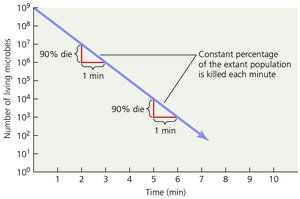
Action of Antimicrobial Agents
Antimicrobial agents act by targeting key cellular structures and functions, leading to microbial death or inhibition.
Alteration of Cell Walls and Membranes: Damaging the cell wall can cause cells to burst due to osmotic effects. Damaging the cytoplasmic membrane leads to leakage of cellular contents.
Damage to Proteins and Nucleic Acids: Protein function depends on its three-dimensional shape; extreme heat or chemicals can denature proteins. Chemicals, radiation, and heat can alter or destroy nucleic acids, producing fatal mutants and halting protein synthesis.
Selection of Microbial Control Methods
Choosing the appropriate microbial control method depends on several factors, including the site to be treated, the relative susceptibility of microorganisms, and environmental conditions.
Site to be Treated: Harsh chemicals and extreme heat cannot be used on humans, animals, or fragile objects.
Relative Susceptibility of Microorganisms: Microbes vary in their resistance to antimicrobial agents.
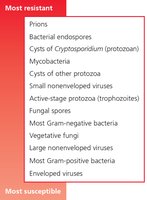
Germicide Classification:
High-level germicides: Kill all pathogens, including endospores.
Intermediate-level germicides: Kill fungal spores, protozoan cysts, viruses, and pathogenic bacteria.
Low-level germicides: Kill vegetative bacteria, fungi, protozoa, and some viruses.
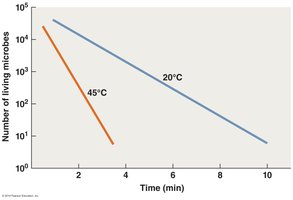
Environmental Conditions: Temperature and pH affect microbial death rates and the efficacy of antimicrobial methods. Organic materials can interfere with the penetration of heat, chemicals, and radiation, and may inactivate chemical disinfectants.
Example: Higher temperatures generally increase the efficacy of antimicrobial chemicals.
Biosafety Levels
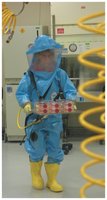
Biosafety levels (BSL) are defined to ensure safe handling of pathogens in laboratory settings. There are four levels, each with increasing containment and safety requirements.
BSL-1: Handling pathogens that do not cause disease in healthy humans.
BSL-2: Handling moderately hazardous agents.
BSL-3: Handling microbes in safety cabinets.
BSL-4: Handling microbes that cause severe or fatal disease.
Physical Methods of Microbial Control
Heat-Related Methods
Heat is a widely used method for microbial control, with moist heat being more effective than dry heat. Different methods are used depending on the material and desired outcome.
Moist Heat: Used to disinfect, sanitize, sterilize, and pasteurize. Denatures proteins and destroys cytoplasmic membranes.
Boiling: Kills vegetative cells of bacteria and fungi, protozoan trophozoites, and most viruses. Endospores, protozoan cysts, and some viruses can survive boiling.
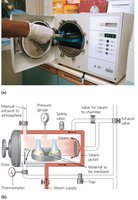
Autoclaving: Pressure applied to boiling water prevents steam from escaping, increasing boiling temperature. Standard conditions: 121°C, 15 psi, 15 minutes.
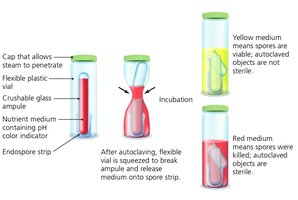
Example: Sterility indicators are used to confirm successful autoclaving.
Pasteurization: Used for milk, ice cream, yogurt, and fruit juices. Not sterilization; heat-tolerant and heat-loving microbes survive.
Ultra-high-temperature sterilization: 140°C for 1 to 3 seconds, then rapid cooling. Treated liquids can be stored at room temperature.
Dry Heat: Used for materials that cannot be sterilized with moist heat. Denatures proteins and oxidizes chemicals. Requires higher temperatures for longer times (e.g., 171°C for 1 hour). Incineration is the ultimate means of sterilization.
Refrigeration and Freezing
Low temperatures decrease microbial metabolism, growth, and reproduction. Refrigeration halts growth of most pathogens, but some microbes (e.g., Listeria sp.) can multiply in refrigerated foods. Slow freezing is more effective than quick freezing.
Desiccation and Lyophilization
Desiccation (drying) inhibits microbial growth by removing water. Lyophilization (freeze-drying) is used for long-term preservation of microbial cultures, preventing formation of damaging ice crystals.

Filtration
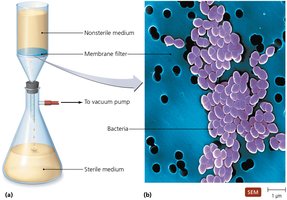
Filtration is used to physically remove microbes from liquids and air. Membrane filters are commonly used in laboratory and industrial settings.
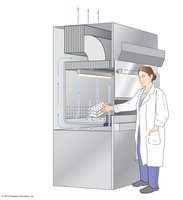
HEPA filters: High-efficiency particulate air filters are used in biological safety cabinets to prevent contamination.
Osmotic Pressure
High concentrations of salt or sugar create hypertonic environments, causing cells to lose water and inhibiting microbial growth. Fungi are more tolerant of hypertonic conditions than bacteria.
Radiation
Radiation is used to control microbial growth through ionizing and nonionizing mechanisms.
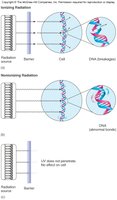
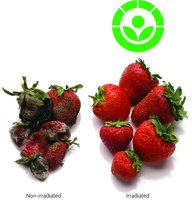
Ionizing Radiation: Includes electron beams, gamma rays, and X-rays. Ejects electrons from atoms, creating ions that disrupt DNA and other molecules. Effective for sterilizing medical equipment and food.
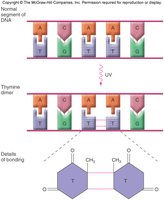
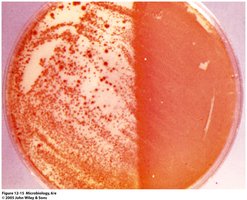
Nonionizing Radiation: Includes UV light, which causes pyrimidine dimers in DNA, affecting protein and nucleic acid structure. Suitable for disinfecting air, transparent fluids, and surfaces.
Chemical Methods of Microbial Control
General Principles
Chemical agents affect microbes’ cell walls, cytoplasmic membranes, proteins, or DNA. Their effectiveness varies with environmental conditions and is often greater against enveloped viruses and vegetative cells.
Phenol and Phenolics
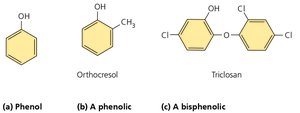
Phenol and phenolic compounds denature proteins and disrupt cell membranes. They are effective in the presence of organic matter and remain active for prolonged periods. Commonly used in healthcare, laboratories, and homes.
Alcohols
Alcohols are intermediate-level disinfectants that denature proteins and disrupt cytoplasmic membranes. They are more effective than soap for degerming but are not effective against fungal spores or bacterial endospores.
Halogens
Halogens are intermediate-level antimicrobial chemicals that damage enzymes by denaturing proteins. They are widely used in various applications, including iodine tablets, chlorine treatment, bleach, and bromine disinfection.
Oxidizing Agents
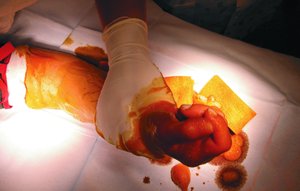
Oxidizing agents such as peroxides, ozone, and peracetic acid kill microbes by oxidizing enzymes. Hydrogen peroxide can disinfect and sterilize surfaces but is not useful for treating open wounds due to catalase activity. Ozone is used for water treatment, and peracetic acid is an effective sporicide.
Surfactants
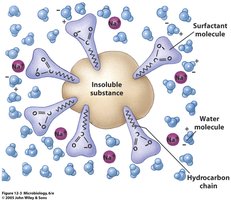
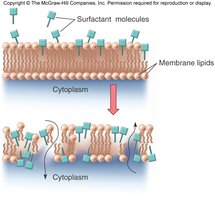
Surfactants are surface-active chemicals that reduce surface tension of solvents. Soaps and detergents are common surfactants; soaps are good degerming agents but not antimicrobial, while detergents (quats) are low-level disinfectants that disrupt cellular membranes.
Heavy Metals
Heavy-metal ions denature proteins and are low-level bacteriostatic and fungistatic agents. Examples include silver nitrate (formerly used to prevent blindness in newborns), thimerosal (vaccine preservative), and copper (controls algal growth).
Aldehydes
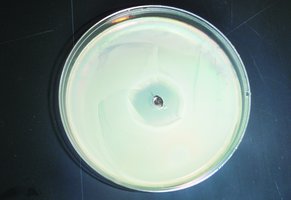
Aldehydes are compounds containing terminal groups that cross-link functional groups to denature proteins and inactivate nucleic acids. Glutaraldehyde disinfects and sterilizes, while formalin is used in embalming and disinfection.
Gaseous Agents
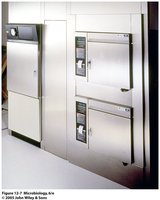
Microbicidal and sporicidal gases are used in closed chambers to sterilize items by denaturing proteins and DNA. They are used in hospitals and dental offices but are often highly explosive, poisonous, and potentially carcinogenic.
Antimicrobial Drugs
Antibiotics, semisynthetic, and synthetic chemicals are typically used for treatment of disease but can also be used for antimicrobial control outside the body.
Methods for Evaluating Disinfectants and Antiseptics
Several methods are used to evaluate the effectiveness of disinfectants and antiseptics:
Use-dilution test: Metal cylinders are dipped into broth cultures of bacteria, then immersed in dilutions of disinfectant. The most effective agents prevent growth at the highest dilution.
In-use test: Swabs are taken from objects before and after application of disinfectant or antiseptic, inoculated into growth medium, and monitored for growth.
Development of Resistant Microbes
Overuse of antiseptic and disinfectant products can promote the development of resistant microbes. There is little evidence that such products add to human or animal health.
