 Back
BackControlling Microbial Growth in the Environment
Study Guide - Smart Notes
 Tailored notes based on your materials, expanded with key definitions, examples, and context.
Controlling Microbial Growth in the Environment
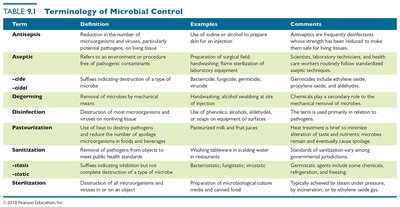
The Terminology of Microbial Control
Understanding the terminology of microbial control is essential for effective communication and application in microbiology. These terms describe various methods and outcomes of controlling microbial populations in different environments.
Antisepsis: Reduction of microbial numbers on living tissue, often using chemicals like iodine or alcohol. Used to prepare skin for surgery.
Aseptic: Refers to an environment or procedure free of pathogenic contamination, such as surgical fields.
Degerming: Mechanical removal of microbes from a limited area, e.g., handwashing or alcohol swabbing.
Disinfection: Destruction of harmful microorganisms on inanimate objects, using agents like phenolics or chlorine.
Sanitization: Lowering microbial counts on objects to safe public health levels, such as washing utensils.
Biocide/Germicide: Agents that kill microbes.
Bacteriostasis: Inhibition of microbial growth without killing.
Sterilization: Removal or destruction of all microorganisms and viruses on or in an object.
Patterns and Principles of Microbial Death
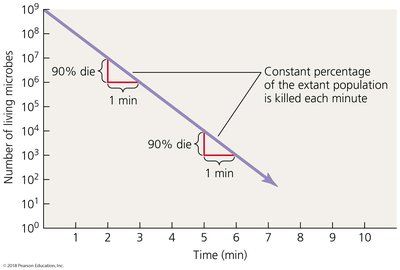
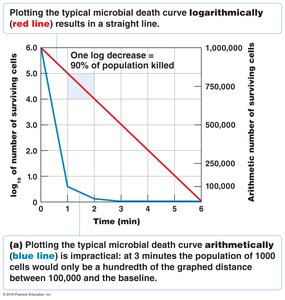
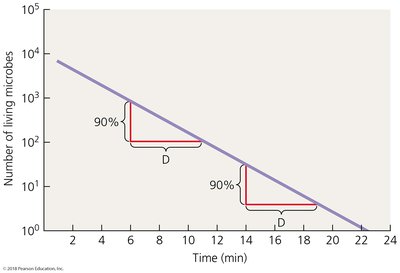
Microbial death occurs at a constant rate when exposed to antimicrobial agents. This rate is typically plotted logarithmically, showing that a constant percentage of the population is killed per unit time.
Microbial Death Rate: The rate at which microbes die is logarithmic, not linear. This means that each minute, a fixed percentage (not a fixed number) of the remaining population is killed.
Decimal Reduction Time (D-value): The time required to kill 90% of the microbial population at a given condition.
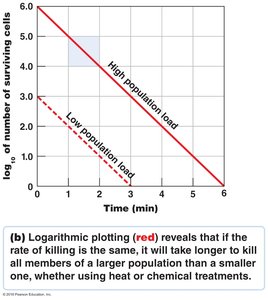
Population Load: Larger initial populations require more time to achieve sterilization, even if the rate of killing is the same.
Factors Affecting the Efficacy of Antimicrobial Methods
The effectiveness of microbial control methods depends on several factors:
Number of Microbes: Higher numbers require longer treatment.
Environment: Presence of organic matter, temperature, and biofilms can protect microbes.
Time of Exposure: Longer exposure increases effectiveness.
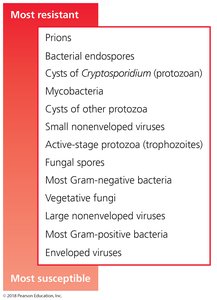
Microbial Characteristics: Some microbes are more resistant than others.
Microorganisms vary in their susceptibility to antimicrobial agents. Prions and bacterial endospores are among the most resistant, while enveloped viruses are the most susceptible.
Physical Methods of Microbial Control
Physical methods are widely used to control microbial growth, especially in laboratory and healthcare settings.
Heat-Related Methods
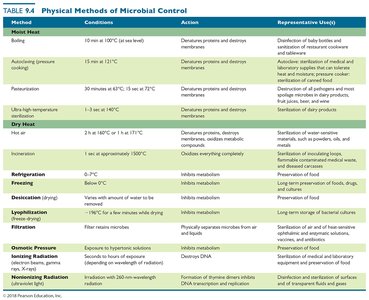
Moist Heat: Denatures proteins and destroys membranes. Includes boiling, autoclaving, pasteurization, and ultra-high-temperature sterilization.
Dry Heat: Used for materials that cannot be sterilized with moist heat. Includes incineration and hot-air sterilization.
Thermal Death Point (TDP): Lowest temperature at which all cells in a liquid culture are killed in 10 minutes.
Thermal Death Time (TDT): Minimum time for all bacteria in a liquid culture to be killed at a given temperature.
Decimal Reduction Time (D-value): Minutes to kill 90% of a population at a given temperature.
Autoclaving
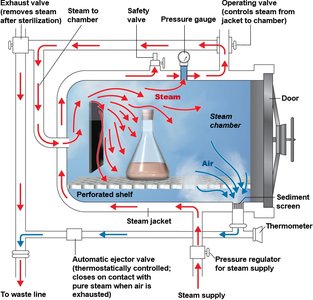
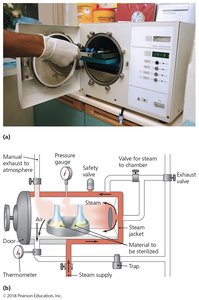
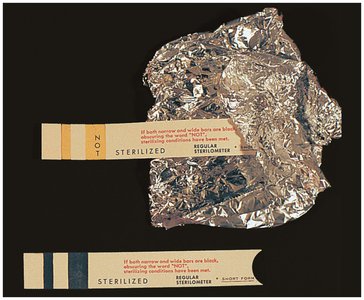
Autoclaving uses pressurized steam to achieve sterilization. Standard conditions are 121°C at 15 psi for 15 minutes. Larger containers require longer times, and sterility is often confirmed with test strips.
Pasteurization and Milk Treatments
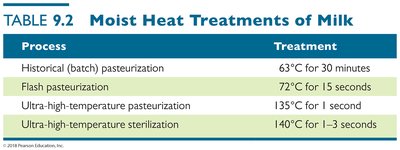
Pasteurization reduces microbial load in foods and beverages without sterilizing. Several methods exist, including batch, flash, and ultra-high-temperature treatments.
Other Physical Methods
Refrigeration and Freezing: Inhibit metabolism and growth; slow freezing is more effective than quick freezing.
Desiccation and Lyophilization: Removal of water inhibits growth; lyophilization (freeze-drying) is used for long-term preservation.

Filtration
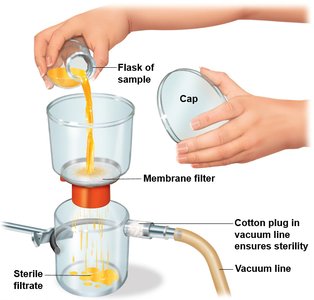
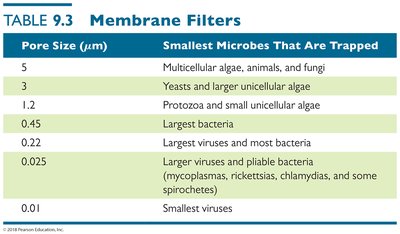
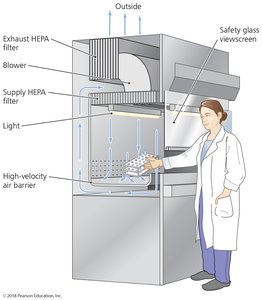
Filtration physically removes microbes from liquids and air, especially useful for heat-sensitive materials. HEPA filters and membrane filters are common.
Osmotic Pressure
High concentrations of salt or sugar create hypertonic environments, causing cells to lose water and inhibiting growth. Fungi are more tolerant than bacteria.
Radiation
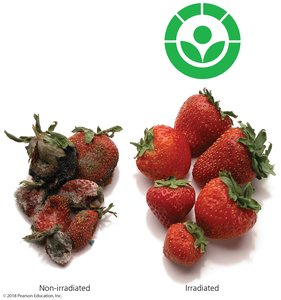
Ionizing Radiation: Includes gamma rays and X-rays; creates ions that damage DNA and proteins. Used for sterilizing medical supplies and food.
Nonionizing Radiation: Includes UV light; causes DNA damage (pyrimidine dimers) and is used for disinfecting surfaces and air.
Chemical Methods of Microbial Control
Chemical agents are used to control microbial growth on living tissue and inanimate objects. Their effectiveness depends on the agent, concentration, and environmental conditions.
Major Classes of Chemical Agents
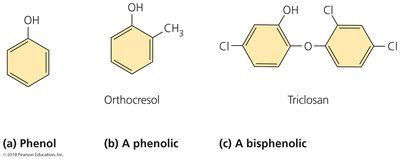
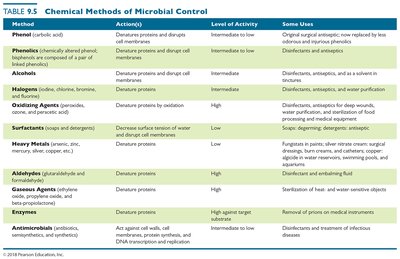
Phenol and Phenolics: Denature proteins and disrupt membranes; effective in presence of organic matter.
Alcohols: Intermediate-level disinfectants; denature proteins and disrupt membranes.
Halogens: Damage enzymes by denaturation; includes iodine, chlorine, and bromine.
Oxidizing Agents: Kill by oxidation of enzymes; includes hydrogen peroxide and ozone.
Surfactants: Soaps and detergents; reduce surface tension and disrupt membranes.
Heavy Metals: Denature proteins; includes silver, mercury, and copper.
Aldehydes: Cross-link functional groups to denature proteins and inactivate nucleic acids.
Gaseous Agents: Sterilize in closed chambers; denature proteins and DNA.
Enzymes: Antimicrobial enzymes like lysozyme digest cell walls.
Antimicrobial Drugs: Antibiotics and related compounds, mainly for disease treatment.
Evaluating Disinfectants and Antiseptics
Several methods are used to evaluate the effectiveness of chemical agents:
Phenol Coefficient: Compares efficacy to phenol; values >1 indicate greater effectiveness.
Use-Dilution Test: Measures effectiveness against specific bacteria using contaminated cylinders.
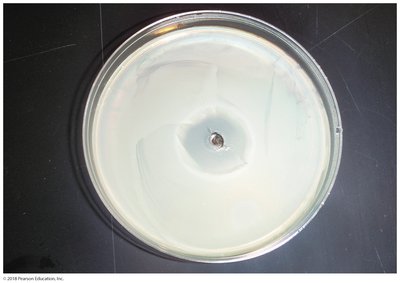
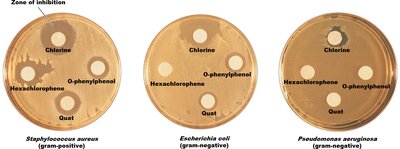
Disk-Diffusion Method: Chemical-soaked disks placed on microbial cultures; zones of inhibition indicate effectiveness.
Kelsey-Sykes Capacity Test: Measures minimum time required for a disinfectant to be effective.
In-Use Test: Swabs taken before and after disinfection to monitor microbial growth.
Microbial Characteristics and Resistance
The type of microbe affects the control method's effectiveness. Endospores, mycobacteria, and prions are highly resistant, while enveloped viruses are more susceptible. Overuse of chemical agents can promote resistance.
Summary Table: Effectiveness of Chemical Agents Against Resistant Microbes
Glutaraldehyde: Fair against endospores, good against mycobacteria
Chlorines: Fair against both
Alcohols, Iodine, Phenolics: Poor against endospores, good against mycobacteria
Chlorhexidine, Bisphenols, Quats, Silver: None or poor effectiveness
Additional info: The notes above are expanded with academic context to ensure clarity and completeness for exam preparation. All images included are directly relevant to the adjacent content and reinforce key concepts in microbial control.
