 Back
BackControlling Microbial Growth in the Environment: Methods and Principles
Study Guide - Smart Notes
 Tailored notes based on your materials, expanded with key definitions, examples, and context.
Controlling Microbial Growth in the Environment
Introduction to Microbial Control
Controlling microbial growth is essential in preventing infection, spoilage, and maintaining public health. Microbial control methods target microorganisms such as bacteria (vegetative cells and endospores), fungi (hyphae, spores, yeasts), protozoa (trophozoites, cysts), worms, and viruses. The primary goal is to reduce or destroy undesirable microbes in a given area using physical, chemical, mechanical, or biological methods.
Hierarchy of Microbial Resistance
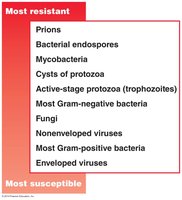
Microorganisms vary in their resistance to antimicrobial agents. Understanding this hierarchy is crucial for selecting appropriate control methods.
Most resistant: Prions, bacterial endospores
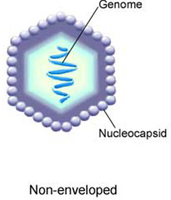
Moderately resistant: Mycobacteria, protozoan cysts, fungal spores, naked (non-enveloped) viruses
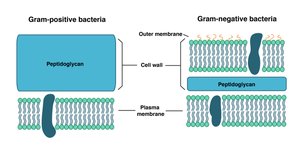
Least resistant: Enveloped viruses, vegetative bacterial cells (Gram positives more sensitive than Gram negatives due to outer membrane and LPS)
Terminology of Microbial Control
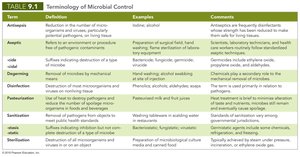
Several terms are used to describe microbial control processes. Understanding these definitions is fundamental for microbiology students.
Term | Definition | Examples | Comments |
|---|---|---|---|
Antisepsis | Reduction of microbes on living tissue | Iodine, alcohol | Antiseptics are often disinfectants of reduced strength |
Aseptic | Environment or procedure free of pathogens | Preparation of surgical field | Used in surgery, laboratory techniques |
Degerming | Removal of microbes by mechanical means | Handwashing, alcohol swabbing | Includes scrubbing, washing |
Disinfection | Destruction of pathogens on inanimate objects | Phenolics, alcohols, aldehydes | Term used for inanimate objects |
Pasteurization | Reduction of pathogens in food/drink | Milk, fruit juices | Heat treatment, not sterilization |
Sanitization | Reduction of microbes to safe levels | Washing tableware in scalding water | Standards set by public health authorities |
Sterilization | Destruction of all microbes and viruses | Preparation of canned food | Achieved by steam under pressure, incineration, or ethylene oxide |
Definitions of Frequently Used Terms
Sterilization: Removal of all viable organisms; microbiocidal.
Disinfection: Destroys vegetative cells of pathogens on inanimate surfaces; does not remove endospores.
Degerming: Mechanical reduction of microbes (e.g., handwashing).
Sanitization: Reduces microbial population to safe levels.
Pasteurization: Heat treatment to destroy pathogens and reduce spoilage microbes in food and beverages.
Antisepsis: Prevention of infection of living tissue by microbes; antiseptics are safe for living tissue.
Aseptic: Techniques to make the environment free of pathogens.
-cide: Suffix for agents that kill (e.g., germicide, bactericide).
-static: Suffix for agents that inhibit growth (e.g., bacteriostatic).
Cellular Targets of Antimicrobials
Cell Walls
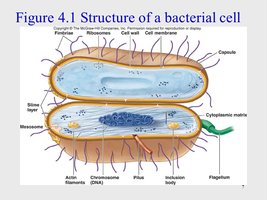
The peptidoglycan cell wall maintains cell integrity and protects against osmotic lysis. Damaging the cell wall leads to cell bursting in hypotonic environments.
Cell Membranes
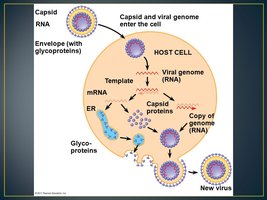
The cytoplasmic membrane controls passage of chemicals. Damage causes leakage of cellular contents. Enveloped viruses acquire their envelope from the host cell membrane, making them more susceptible to disruption than non-enveloped viruses.
Proteins and Nucleic Acids
Protein function depends on three-dimensional shape. Extreme heat and chemicals denature proteins. Nucleic acids can be destroyed by chemicals, radiation, and heat, causing fatal mutations and halting protein synthesis.
Effectiveness and Selection of Antimicrobials
Factors Affecting Antimicrobial Effectiveness
Number and nature of microbes (vegetative cells or spores)
Temperature (warm disinfectants work better)
pH (acidic conditions enhance effectiveness)
Concentration or dosage of the agent
Presence of organic matter (can inhibit agents)
Site to be treated (animate or inanimate)
An ideal antimicrobial should be fast acting, stable during storage, inexpensive, and harmless to humans.
Physical Methods of Microbial Control
Heat-Based Methods
Heat denatures proteins, damages cell membranes and walls, and destroys nucleic acids. Both dry and moist heat are used for microbial control.
Dry Heat: Incineration (sterilizes), dry oven (sterilizes water-sensitive materials)
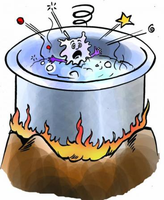
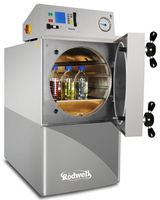
Moist Heat: Boiling (disinfects), autoclaving (sterilizes), pasteurization (disinfects), ultrahigh temperature sterilization (sterilizes)
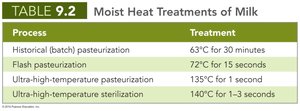
Moist Heat Treatments of Milk
Process | Treatment |
|---|---|
Historical (batch) pasteurization | 63°C for 30 minutes |
Flash pasteurization | 72°C for 15 seconds |
Ultra-high-temperature pasteurization | 135°C for 1 second |
Ultra-high-temperature sterilization | 140°C for 1–3 seconds |
Refrigeration and Freezing
These methods are bacteriostatic, inhibiting microbial metabolism, growth, and reproduction. Some psychrophilic microbes can grow at low temperatures.
Desiccation and Lyophilization
Desiccation (drying) removes water, inhibiting microbial growth. Lyophilization (freeze-drying) preserves cultures for long-term storage by freezing and sublimating water.
Radiation-Based Methods
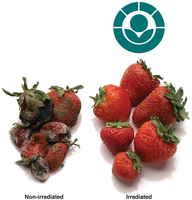
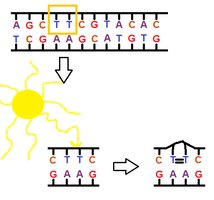
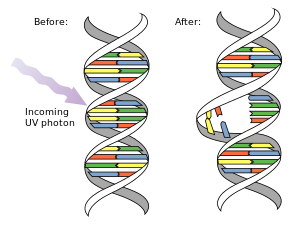
Ionizing radiation (gamma rays, electron beams, X-rays) sterilizes by damaging DNA and cellular components. Non-ionizing radiation (UV) disinfects by causing thymine dimers in DNA, leading to strand breaks.
Osmotic Pressure
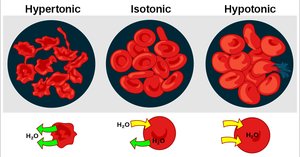
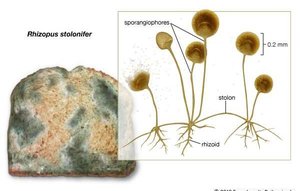
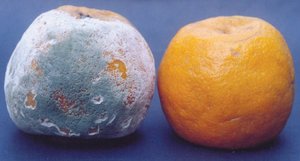
High concentrations of salt or sugar create hypertonic environments, causing cells to lose water and inhibiting microbial growth. Fungi are more tolerant of hypertonic conditions than bacteria.
Filtration
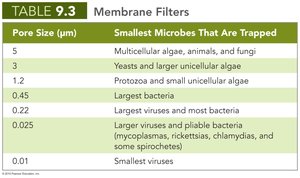
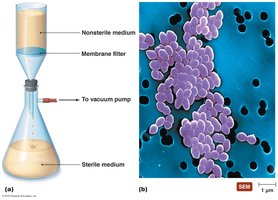
Filtration mechanically removes microbes from liquids using membranes with specific pore sizes. HEPA filters are used in healthcare settings to sterilize air.
Pore Size (µm) | Smallest Microbes Trapped |
|---|---|
5 | Multicellular algae, animals, fungi |
3 | Yeasts, larger unicellular algae |
1.2 | Protozoa, small unicellular algae |
0.45 | Largest bacteria |
0.22 | Largest viruses, most bacteria |
0.025 | Larger viruses, pliable bacteria |
0.01 | Smallest viruses |
Chemical Methods of Microbial Control
Overview of Chemical Agents
Chemical agents damage cell walls, membranes, proteins, and DNA. Common agents include phenols, alcohols, aldehydes, halogens, oxidizing agents, heavy metals, gaseous agents, surfactants, and enzymes.
Phenolics
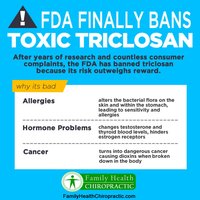
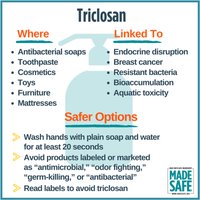
Phenolics disrupt cell membranes and denature proteins. They remain active in the presence of organic matter and are used in healthcare settings, labs, and homes. Triclosan, a bisphenolic, has been banned due to health risks.
Alcohols
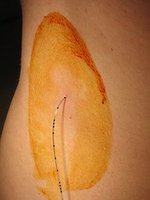
Alcohols (70% ethanol, isopropanol) disrupt cell membranes and denature proteins. They are effective for degerming but not against endospores or some viruses.
Halogens
Halogens (iodine, chlorine, bromine, fluorine) denature proteins and are used as disinfectants and antiseptics. Iodophors release iodine slowly and are less irritating.
Oxidizing Agents
Oxidizing agents (peroxides, ozone, peracetic acid) release oxidative radicals, effective against anaerobic pathogens. Peracetic acid is a sporicide used to sterilize equipment.
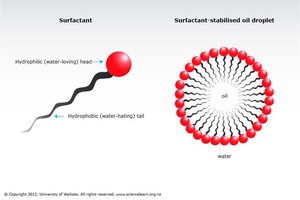
Surfactants
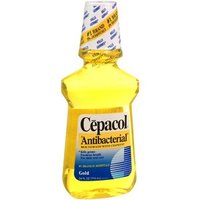
Surfactants disrupt cell membranes. Soaps are degerming agents, while detergents (quaternary ammonium compounds) are antimicrobial against enveloped viruses.
Heavy Metal Ions
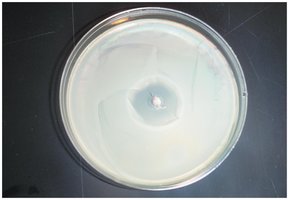
Heavy metals (arsenic, zinc, mercury, silver, copper) denature proteins by binding to sulfur atoms in cysteine. They are bacteriostatic and fungistatic but toxic.
Aldehydes
Aldehydes (glutaraldehyde, formaldehyde) denature proteins and inactivate nucleic acids. Glutaraldehyde is used for disinfecting and sterilizing medical equipment.
Gaseous Agents
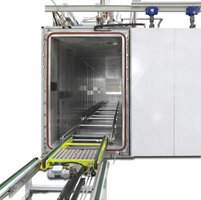
Microbicidal and sporicidal gases (ethylene oxide, propylene dioxide) are used in closed chambers to sterilize heat- and water-sensitive objects. Ethylene oxide is used in hospitals and by NASA.
Enzymes
Enzymes such as lysozyme digest peptidoglycan cell walls of bacteria. Prionzyme is used to remove prions from contaminated medical instruments.
Summary Table: Physical Methods of Microbial Control
Method | Conditions | Action | Representative Uses |
|---|---|---|---|
Boiling | 10 min at 100°C | Denatures proteins, destroys membranes | Disinfection of baby bottles, cookware |
Autoclaving | 15 min at 121°C, 15 psi | Denatures proteins, destroys membranes | Sterilization of media, canned food |
Pasteurization | 30 min at 63°C, 15 sec at 72°C | Denatures proteins, destroys membranes | Disinfection of milk, juices |
Incineration | 1 sec at 1500°C | Oxidizes everything completely | Sterilization of inoculating loops, carcasses |
Refrigeration | 0–7°C | Inhibits metabolism | Preservation of food |
Lyophilization | -196°C | Inhibits metabolism | Long-term preservation of cultures |
Osmotic Pressure | High salt/sugar | Inhibits metabolism | Preservation of food |
Ionizing Radiation | Gamma rays, X-rays | Destroys DNA | Sterilization of medical supplies, food |
Non-ionizing Radiation | UV light | Damages DNA | Disinfection of surfaces, air |
Conclusion
Effective microbial control requires understanding the resistance hierarchy, cellular targets, and the mechanisms of physical and chemical methods. Selection of appropriate methods depends on the nature of the microbes, the environment, and the intended use. These principles are fundamental for microbiology students preparing for exams and practical applications.
