 Back
BackControlling Microbial Growth: Methods, Agents, and Safety Levels
Study Guide - Smart Notes
 Tailored notes based on your materials, expanded with key definitions, examples, and context.
Controlling Microbial Growth in the Environment
Terminology of Microbial Control
Understanding the terminology of microbial control is essential for microbiology students, as it forms the basis for laboratory and clinical practices.
Sanitation: Reduction of microbial population to safe levels, often in public health contexts.
Sterilization: Complete elimination of all forms of microbial life, including endospores. Used for surgical instruments and media.
Pasteurization: Heat treatment that kills pathogens and reduces spoilage organisms without sterilizing. Commonly used for milk, ice cream, yogurt, and fruit juices.
Antiseptic: Chemical agents applied to living tissue to reduce infection risk.
Disinfectant: Chemical agents used on inanimate objects to destroy microorganisms.
Antibiotic: Naturally occurring or synthetic substances that inhibit or kill bacteria, used in medicine.
Comparison of Sterilization, Disinfection, and Pasteurization
These methods differ in their effectiveness and application.
Sterilization: Removes all microbes; used for surgical tools.
Disinfection: Removes most pathogens; used for surfaces.
Pasteurization: Reduces pathogens; used for food and beverages.
Example: Pasteurization is used for milk, fruit juices, and dairy products.
Relative Susceptibility of Microbes to Antimicrobial Agents
Microbes vary in their resistance to antimicrobial agents.
Most resistant: Bacterial endospores, Mycobacteria, cysts of protozoa (due to tough outer layers and metabolic inactivity).
Most susceptible: Enveloped viruses, Gram-positive bacteria, vegetative cells of bacteria.
Biosafety Levels (BSL)
Biosafety levels define laboratory containment procedures for handling pathogens.
BSL-1: For agents not causing disease in healthy humans. Requires aseptic technique, handwashing, and disinfectant use.
BSL-2: For moderately hazardous agents (e.g., MRSA, influenza virus). Limited access, safety cabinets for aerosols.
BSL-3: For agents causing severe disease if inhaled (e.g., SARS-CoV-2, TB, anthrax). Safety cabinets, double-door access, negative air pressure, filtered exhaust.
BSL-4: For agents always causing severe or fatal disease (e.g., Ebola, smallpox). Isolated labs, biohazard suits, filtered air/water.
Physical Methods of Microbial Control
Physical methods are widely used to control microbial growth in laboratory and industrial settings.
Moist Heat: More effective than dry heat; used for sterilization, disinfection, and pasteurization. Autoclave: 121ºC, 15 psi, 15 minutes. Kills endospores.
Dry Heat: Requires higher temperatures and longer times; used for glassware.
Refrigeration/Freezing: Slows microbial metabolism and growth. Psychrophiles can grow at low temperatures.
Osmotic Pressure: Hypertonic solutions cause cells to lose water, inhibiting growth.
Filtration: Removes microbes from air and liquids.
Nonionizing Radiation (UV): Causes thymine dimers in DNA, inhibiting replication. Suitable for disinfecting air, surfaces, and transparent fluids.
Chemical Methods of Microbial Control
Chemical agents target various cellular components and are used in healthcare, industry, and homes.
Phenol & Phenolic Compounds: Denature proteins, disrupt membranes. Used in healthcare, but have odor and side effects.
Alcohols: Intermediate-level disinfectants; denature proteins and disrupt membranes.
Halogens: Damage enzymes; used as disinfectants and antiseptics.
Oxidizing Agents: Inactivate enzymes by oxidation. Examples: hydrogen peroxide, ozone, peracetic acid.
Surfactants: Reduce surface tension. Soaps are good degerming agents; detergents (quats) disrupt membranes.
Heavy Metals: Denature proteins; low-level bacteriostatic and fungistatic agents (e.g., Ag2+, Hg2+, Cu2+).
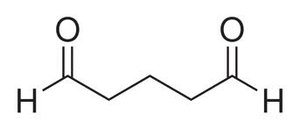
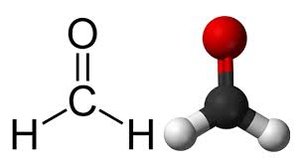
Aldehydes: Cross-link functional groups, denature proteins, inactivate nucleic acids.
Development of Resistant Microbes
Extended exposure to disinfectants and antiseptics can lead to microbial resistance, including cross-resistance to antibiotics.
Quat-resistant organisms may also resist antibiotics.
FDA banned triclosan from over-the-counter hygiene products due to resistance concerns and lack of proven benefit.
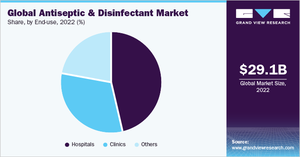
Global Antiseptic & Disinfectant Market
The market for antiseptics and disinfectants is substantial, reflecting their widespread use in hospitals, clinics, and other settings.
Actions of Antimicrobial Agents
Antimicrobial agents act by:
Affecting cell walls and membranes
Damaging proteins and nucleic acids
Denaturing proteins via heat or chemicals
Altering/destroying nucleic acids, causing mutations
Review Questions and Academic Context
Why are BSL-4 suits pressurized? To prevent inward leakage of pathogens; pressurization ensures any breach results in air flowing out, not in.
Rank toxicity: Disinfectant > Antiseptic > Antibiotic (to humans and animals).
High osmolarity: Causes cell dehydration and inhibits growth by disrupting cellular processes.
Bacterial endospores as sterility indicators: Their resistance makes them ideal for testing sterilization efficacy.
Sterile in microbiology: Means absence of all living microbes, including spores and viruses.
Additional info:
Pasteurization does not sterilize; heat-tolerant microbes survive.
UV light is effective for surface and air disinfection but does not penetrate deeply.
Autoclaving is the gold standard for sterilization in laboratories.
