 Back
Controlling Microbial Growth: Methods, Mechanisms, and Safety
Study Guide - Smart Notes
 Tailored notes based on your materials, expanded with key definitions, examples, and context.
Controlling Microbial Growth in the Environment
Terminology of Microbial Control
Understanding the terminology of microbial control is essential for distinguishing between different methods used to manage microbial populations in various settings.
Sterilization: The complete destruction or removal of all microorganisms, including endospores and viruses, from an object or environment. Example: Autoclaving surgical instruments.
Disinfection: The elimination of most or all pathogenic microorganisms (except endospores) on inanimate objects. Example: Using bleach on laboratory surfaces.
Pasteurization: The use of heat to destroy pathogens and reduce the number of spoilage microorganisms in foods and beverages. Example: Milk, ice cream, yogurt, and fruit juices are commonly pasteurized.
Sanitation: Reduction of microbial populations to safe levels as determined by public health standards.
Antiseptic: Reduction of microorganisms and viruses, particularly potential pathogens, on living surfaces.
Relative Susceptibility of Microbes to Antimicrobial Agents
Microbes vary in their resistance to antimicrobial agents. Understanding these differences is crucial for selecting appropriate control methods.
Most Resistant: Bacterial endospores, mycobacteria (acid-fast bacilli), and cysts of protozoa. Their resistance is due to protective structures such as thick cell walls, mycolic acid, and dormant states.
Most Susceptible: Enveloped viruses, Gram-positive bacteria, and vegetative cells of bacteria and fungi. These lack robust protective barriers.
Example: Naked viruses are more tolerant of harsh environmental conditions than enveloped viruses.
Biosafety Levels (BSL) in Laboratory Settings
Biosafety levels are designed to protect laboratory workers and the environment from exposure to infectious agents.
BSL-1: For agents not causing disease in healthy humans. Standard aseptic techniques, handwashing, and disinfectant use.
BSL-2: For moderately hazardous agents (e.g., MRSA, influenza virus, Salmonella, Staphylococcus aureus). Includes BSL-1 procedures plus limited access and safety cabinets for aerosol-generating procedures.
BSL-3: For agents causing severe disease if inhaled (e.g., SARS-CoV-2, TB, yellow fever virus, anthrax). Requires safety cabinets, double-door access, negative air pressure, and filtered exhaust air.
BSL-4: For agents always causing severe or fatal disease (e.g., Ebola, smallpox). Labs are isolated, require biohazard suits, and all air/water is filtered.
Physical Methods of Microbial Control
Heat-Related Methods
Heat is a widely used method for controlling microbial growth, with moist heat being more effective than dry heat.
Moist Heat: Used for disinfection, sterilization, and pasteurization. Methods include boiling, autoclaving, and pasteurization.
Boiling: Kills vegetative cells of bacteria, fungi, protozoan trophozoites, and most viruses. Endospores, protozoan cysts, and some viruses can survive.
Autoclaving: Uses pressurized steam at 121ºC, 15 psi, for 15 minutes. Effective against bacterial endospores.
Pasteurization: Not sterilization; heat-tolerant microbes survive. Used for foods and beverages.
Dry Heat: Used for materials that cannot be sterilized with moist heat. Requires higher temperatures and longer times.
Refrigeration and Freezing
Low temperatures decrease microbial metabolism, growth, and reproduction by reducing water availability and slowing chemical reactions.
Refrigeration: Halts growth of most pathogens; psychrophiles may still grow.
Freezing: Organisms vary in susceptibility; some may survive but not grow.
Osmotic Pressure
High concentrations of salt or sugar create hypertonic environments, causing cells to lose water and inhibiting microbial growth.
Example: Preserving foods with salt or sugar.
Filtration
Filtration physically removes microbes from air or liquids using filters with defined pore sizes.
Example: HEPA filters in biological safety cabinets.
Nonionizing Radiation (UV Light)
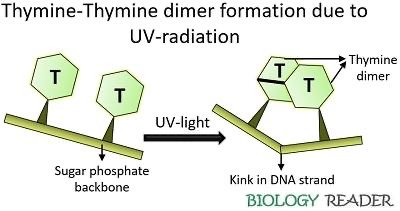
UV light is used to control microbial growth by damaging DNA, particularly through the formation of thymine dimers.
Mechanism: UV light excites electrons, forming new covalent bonds and causing pyrimidine (thymine) dimers in DNA, which create kinks and disrupt replication.
Applications: Disinfecting air, transparent fluids, and surfaces. Not suitable for sterilization due to poor penetration.
Chemical Methods of Microbial Control
Classes of Chemical Disinfectants
Chemical agents are used to control microbial growth by targeting various cellular components.
Phenol & Phenolic Compounds: Denature proteins and disrupt cell membranes. Used in healthcare and homes; triclosan banned due to resistance concerns.
Alcohols: Intermediate-level disinfectants; denature proteins and disrupt membranes. Only effective on surfaces they contact.
Halogens: Damage enzymes by denaturing proteins. Examples include iodine, chlorine, bleach, Betadine.
Oxidizing Agents: High-level disinfectants; inactivate enzymes by oxidation. Examples: hydrogen peroxide, ozone, peracetic acid. Hydrogen peroxide is not useful for open wounds due to catalase activity in cells.
Surfactants: Reduce surface tension; soaps are good degerming agents but not antimicrobial, detergents (quats) disrupt membranes and are low-level disinfectants.
Heavy Metals: Denature proteins; examples include silver nitrate, mercury, copper.
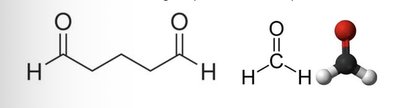
Aldehydes: Cross-link functional groups, denature proteins, and inactivate nucleic acids.
Development of Resistant Microbes
Extended exposure to disinfectants and antiseptics can lead to the evolution of resistant microbes, including cross-resistance to antibiotics.
Example: Pseudomonas aeruginosa exposed to triclosan becomes resistant to ciprofloxacin.
FDA Ban: Triclosan banned from over-the-counter antimicrobial hygiene products due to resistance concerns.
Mechanisms of Action of Antimicrobial Agents
Disruption of Cell Integrity
Many agents disrupt cell walls or membranes, leading to cell death.
Cell Wall/Membrane Disruption: Phenolics, alcohols, surfactants, and quats.
Interruption of Cellular Metabolism and Reproduction
Agents may damage proteins and nucleic acids, denaturing enzymes or causing mutations.
Protein Denaturation: Extreme heat, chemicals, heavy metals, aldehydes.
Nucleic Acid Damage: Radiation, chemicals, heat.
Review Questions and Additional Academic Context
Why are BSL-4 suits pressurized? To prevent inward leakage of pathogens; thick suits alone do not provide a barrier against airborne agents.
Rank toxicity: Disinfectant > Antiseptic > Antibiotic (to humans and animals).
High osmolarity: Causes cells to lose water, inhibiting growth or killing bacteria.
Bacterial endospores as sterility indicators: Their resistance makes them ideal for testing sterilization efficacy.
Definition of "sterile" in microbiology: Free from all living microorganisms, including spores and viruses.
Chapter 9 Vocabulary
Sanitation
Sterilization
Pasteurization
Antiseptic
Disinfectant
Antibiotic
Ultraviolet light
Temperature
Osmotic Pressure
Heat/Freezing
Psychrophile
Mesophile
Thermophile
Autoclave
Chemical vs. Physical measures
Biosafety Levels
Septicemia
Bacteremia
