 Back
BackDiseases of the Digestive System: Microbiology Study Notes
Study Guide - Smart Notes
 Tailored notes based on your materials, expanded with key definitions, examples, and context.
Diseases of the Digestive System
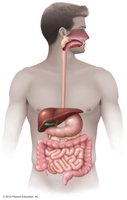
Overview of the Digestive System
The digestive system is a complex series of organs and glands that processes food, extracts nutrients, and eliminates waste. It is a major site for microbial colonization and infection, making it a critical focus in medical microbiology.
Main organs: Oral cavity, pharynx, esophagus, stomach, small intestine, large intestine, rectum, anus, liver, gallbladder, pancreas.
Function: Digestion, absorption, and defense against pathogens.
Normal Microbiota of the Digestive System
The digestive tract harbors a diverse microbiota, which plays a vital role in health and disease. The oral cavity and large intestine are especially rich in microbial populations.
Oral cavity: Over 700 species, including Streptococcus salivarius (tongue) and Streptococcus mitis (cheek).
Large intestine: Contains up to 100 billion bacteria per gram of feces, mostly anaerobes (e.g., Lactobacillus, Bacteroides) and facultative anaerobes (e.g., E. coli).
Functions: Aid in digestion, produce vitamins, stimulate immune system, and compete with pathogens.
Defenses of the Digestive System
The digestive tract employs several defense mechanisms to prevent infection:
Stomach: Highly acidic environment (pH 1-2) destroys many pathogens.
Small intestine: Paneth cells produce antibacterial proteins (defensins) and lysozyme, and can phagocytize bacteria.
Bacterial Diseases of the Mouth
Tooth Anatomy and Health
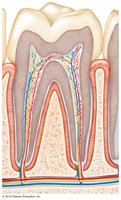
Understanding tooth structure is essential for recognizing how infections develop and progress.
Key structures: Enamel, dentin, pulp cavity, gingiva, periodontal ligament, cementum, root canal.
Dental Caries (Tooth Decay)
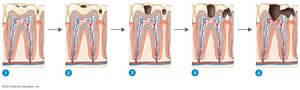
Dental caries is a common infectious disease caused primarily by Streptococcus mutans. It involves the destruction of tooth enamel and deeper structures due to acid production from bacterial metabolism.
Causative agent: Streptococcus mutans (cariogenic bacterium).
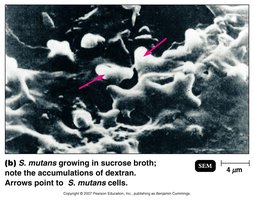
Pathogenesis: S. mutans metabolizes carbohydrates, tolerates acidity, and synthesizes dextran, forming sticky dental plaque.
Progression: Plaque bacteria ferment sugars, producing acids that demineralize enamel and dentin, leading to cavities.
Prevention: Good oral hygiene, dietary control, and fluoride (which strengthens enamel and inhibits bacterial metabolism).
Periodontal Disease
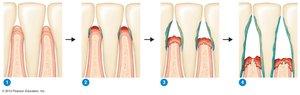
Periodontal diseases affect the supporting structures of the teeth, including the gums and bone. They progress from mild gingivitis to severe periodontitis.
Gingivitis: Inflammation of the gums due to plaque accumulation.
Periodontitis: Advanced inflammation leading to destruction of periodontal ligament and bone, formation of periodontal pockets, and possible tooth loss.
Bacterial Diseases of the Lower Digestive System
General Concepts
Diseases of the lower digestive system can be caused by infection (growth of pathogens) or intoxication (ingestion of toxins). Symptoms include diarrhea, dysentery, abdominal cramps, nausea, and vomiting. Treatment often involves oral rehydration therapy.
Staphylococcal Food Poisoning
Caused by ingestion of preformed toxins produced by Staphylococcus aureus in contaminated food.
Transmission: Contaminated high-protein foods left at room temperature (e.g., custards, cream pies, ham).
Symptoms: Vomiting, abdominal cramps, diarrhea (onset 1–6 hours after ingestion).
Diagnosis: Based on symptoms and food history.
Treatment: Supportive; recovery within 24 hours.

Shigellosis (Bacillary Dysentery)
Shigellosis is caused by Shigella species, which invade the intestinal mucosa and produce Shiga toxin, leading to severe diarrhea with blood and mucus.
Causative agents: Shigella sonnei (most common in US), S. dysenteriae (most severe), S. flexneri, S. boydii.
Symptoms: Bloody, mucous diarrhea, abdominal cramps, mild fever.
Transmission: Fecal-oral route; only found in humans and primates.
Treatment: Fluoroquinolones and fluid replacement.
Salmonellosis (Salmonella Gastroenteritis)
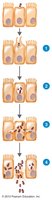
Salmonellosis is caused by Salmonella enterica and related species. It is a common foodborne infection, especially from poultry and eggs.
Symptoms: Moderate fever, nausea, abdominal pain, diarrhea (incubation 12–36 hours).
Pathogenesis: Invades intestinal mucosa, may enter lymphatic system and bloodstream.
Treatment: Oral rehydration; antibiotics rarely needed.
Typhoid Fever
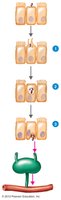
Typhoid fever is a severe systemic infection caused by Salmonella typhi. It is transmitted via fecal contamination and can lead to chronic carriage in the gallbladder.
Symptoms: High fever, headache, abdominal pain, diarrhea, possible rash, and in severe cases, intestinal perforation.
Treatment: Antibiotics (quinolones); chronic carriers may require gallbladder removal.
Cholera and Other Vibrios
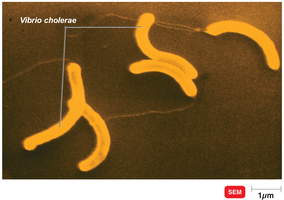
Cholera is caused by Vibrio cholerae, which produces a potent enterotoxin leading to massive fluid loss.
Symptoms: "Rice water stools," severe dehydration, shock, and possible death.
Transmission: Contaminated water; high infectious dose required.
Treatment: Immediate fluid and electrolyte replacement, antibiotics (doxycycline).
Escherichia coli Gastroenteritis
E. coli strains cause a range of diarrheal diseases, from mild traveler's diarrhea to severe hemorrhagic colitis and hemolytic uremic syndrome (HUS).
ETEC: Enterotoxigenic E. coli – watery diarrhea via toxin production.
EIEC: Enteroinvasive E. coli – invades intestinal wall, causing inflammation and dysentery.
EHEC: Enterohemorrhagic E. coli – produces Shiga toxin, causes hemorrhagic colitis and HUS.
Treatment: Oral rehydration; antibiotics in severe cases.
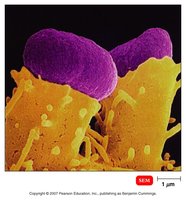
Campylobacter Gastroenteritis
Campylobacter jejuni is the leading cause of foodborne illness in the US, often associated with undercooked poultry and unpasteurized milk.
Symptoms: Fever, cramping, diarrhea or dysentery.
Complications: Guillain-Barré syndrome (rare).
Prevention: Proper cooking and pasteurization.
Clostridium and Bacillus Gastroenteritis
Several spore-forming bacteria cause gastroenteritis, often associated with improperly handled food or antibiotic use.
Clostridium perfringens: Toxin-mediated diarrhea, usually self-limiting.
Clostridium difficile: Associated with antibiotic use; can cause severe colitis.
Bacillus cereus: Causes vomiting and diarrhea, often from fried rice.
Viral Diseases of the Digestive System
Mumps
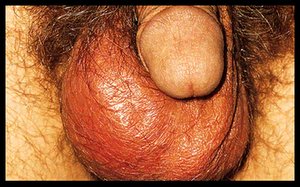
Mumps is a viral infection of the salivary glands, primarily the parotid glands, transmitted by the respiratory route.
Symptoms: Fever, swelling of parotid glands, painful swallowing.
Complications: Orchitis (testicular inflammation), which can lead to sterility in post-pubescent males.
Prevention: MMR vaccine.

Viral Gastroenteritis
Two main viruses cause gastroenteritis:
Rotavirus: Most common in children; symptoms include fever, diarrhea, vomiting.
Norovirus: Common in adults, especially on cruise ships; causes vomiting and diarrhea.
Treatment: Oral rehydration.
Hepatitis
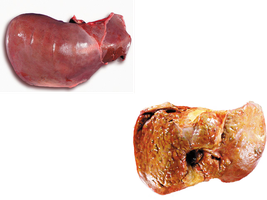
Hepatitis is inflammation of the liver, caused by several viruses (HAV, HBV, HCV), as well as drugs and toxins.
Hepatitis A (HAV): Fecal-oral transmission, mild disease, vaccine available.
Hepatitis B (HBV): Blood and body fluid transmission, can be chronic, vaccine available.
Hepatitis C (HCV): Blood transmission, often chronic, no vaccine.

Protozoan Diseases of the Digestive System
Giardiasis
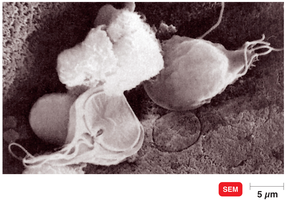
Caused by Giardia lamblia, a flagellated protozoan that attaches to the intestinal wall and causes prolonged diarrhea.
Symptoms: Diarrhea, malaise, flatulence, abdominal cramps, weight loss.
Transmission: Contaminated water, especially during camping and swimming.
Diagnosis: String test or stool analysis.
Treatment: Metronidazole or quinacrine hydrochloride.
Helminthic Diseases of the Digestive System
Tapeworms
Tapeworms are flatworms with complex life cycles involving humans and animals. Infection occurs through ingestion of cysts in undercooked meat.
Taeniasis: Adult tapeworms in intestines.
Cysticercosis: Larval cysts in tissues.
Ophthalmic/Neurocysticercosis: Cysts in eye or brain.
Pinworm
Pinworm (Enterobius vermicularis) is a common nematode infection, especially in children.
Symptoms: Perianal itching due to migration of adult worms to lay eggs.
Transmission: Person-to-person.
Treatment: Pyrantel pamoate or mebendazole.
Hookworm
Hookworms (Necator americanus, Ancylostoma duodenale) attach to the intestinal wall and feed on blood, causing anemia.
Transmission: Larvae penetrate skin from contaminated soil.
Symptoms: Anemia, lethargy, pica.
Ascariasis
Ascariasis is caused by Ascaris lumbricoides, a large roundworm. Eggs are ingested, and larvae migrate through the lungs before maturing in the intestines.
Symptoms: Often mild; pulmonary symptoms during migration phase.
Trichinellosis
Trichinellosis is caused by Trichinella spiralis, acquired by eating undercooked pork containing encysted larvae.
Symptoms: Gastrointestinal symptoms, muscle pain as larvae encyst in muscle tissue.
Additional info: These notes cover the major bacterial, viral, protozoan, and helminthic diseases of the digestive system, as outlined in a standard college microbiology curriculum (Chapter 25). Images included are directly relevant to the anatomical, pathological, and microbiological concepts discussed.
