Back
BackDisorders Associated with the Immune System: Hypersensitivity, Autoimmunity, Transplantation, Cancer, and Immunodeficiencies
Study Guide - Smart Notes
 Tailored notes based on your materials, expanded with key definitions, examples, and context.
Disorders Associated with the Immune System
Hypersensitivity
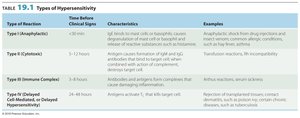
Hypersensitivity refers to an antigenic response that exceeds normal reactions, resulting in tissue damage. It occurs when an individual is sensitized by prior exposure to an antigen (allergen). There are four types of hypersensitivity: anaphylactic, cytotoxic, immune complex, and delayed cell-mediated. The hygiene hypothesis suggests that reduced exposure to pathogens may decrease immune tolerance and increase susceptibility to harmless antigens.
Definition: Hypersensitivity is an exaggerated immune response to an antigen.
Types: Type I (Anaphylactic), Type II (Cytotoxic), Type III (Immune Complex), Type IV (Delayed Cell-Mediated).
Example: Allergic reactions, blood transfusion incompatibilities, autoimmune diseases.
Type I (Anaphylactic) Reactions
Type I reactions occur within minutes after re-exposure to an antigen. Antigens bind to IgE antibodies, which attach to mast cells and basophils. Upon antigen bridging, these cells undergo degranulation, releasing mediators such as histamine, leukotrienes, and prostaglandins. Histamine increases capillary permeability, leukotrienes cause smooth muscle contraction, and prostaglandins increase mucus secretion.
Systemic anaphylaxis: Can lead to circulatory collapse and death; treated with epinephrine.
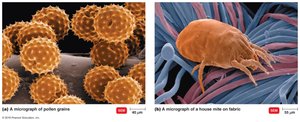
Localized anaphylaxis: Associated with ingested or inhaled antigens; symptoms depend on entry route (e.g., hives, hay fever, asthma).
Preventing Anaphylactic Reactions
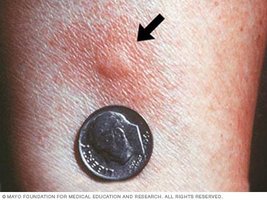
Allergy skin tests involve inoculating antigens beneath the epidermis to observe rapid inflammatory reactions (wheal). Desensitization involves injecting increasing doses of antigen to stimulate IgG production, which acts as blocking antibodies to neutralize antigens before they trigger IgE-mediated responses.
Skin prick/scratch test: Used to identify specific allergens.
Positive reaction: Characterized by localized swelling and redness.



Type II (Cytotoxic) Reactions
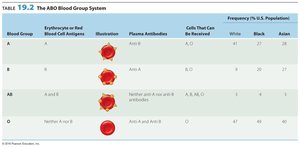
Type II reactions involve activation of complement by IgG or IgM antibodies binding to antigenic cells, resulting in cell lysis or damage. The ABO and Rh blood group systems are classic examples.
ABO blood group: Antibodies form against carbohydrate antigens on RBCs; type O has no antigens.
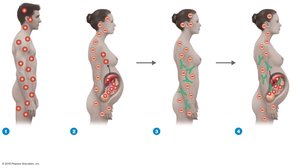
Rh system: Rh+ antigen present in most people; Rh incompatibility can cause hemolytic disease of the newborn (HDNB).
Drug-induced cytotoxic reactions: Drugs can bind to cells, forming antigenic complexes that are targeted by antibodies.
Type III (Immune Complex) Reactions
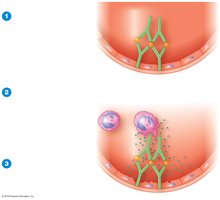
Type III reactions occur when antibodies form against soluble antigens, creating immune complexes that lodge in basement membranes and activate complement, causing inflammation. Glomerulonephritis is an example, where immune complexes damage kidney glomeruli.
Mechanism: Immune complexes deposit in tissues, attracting neutrophils and causing tissue damage.
Example: Serum sickness, glomerulonephritis.
Type IV (Delayed Cell-Mediated) Reactions
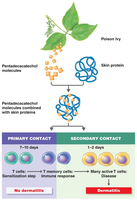
Type IV reactions are mediated by T cells and occur hours to days after antigen exposure. Antigens are phagocytized and presented to T cells, causing sensitization. Upon re-exposure, memory T cells release cytokines that cause tissue damage.
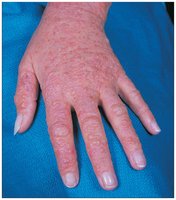
Allergic contact dermatitis: Haptens combine with skin proteins, triggering an immune response (e.g., poison ivy, cosmetics, metals, latex).
Symptoms: Blistering, raised red rash, burning, and itching.
Autoimmune Diseases
Mechanisms and Types
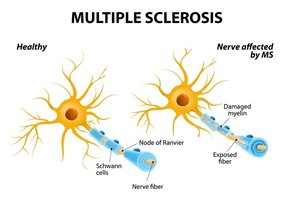
Autoimmune diseases occur when the immune system attacks self-antigens, resulting in organ damage. Loss of self-tolerance is central to autoimmunity. There are three main types: cytotoxic, immune complex, and cell-mediated.
Cytotoxic: Antibodies react with cell-surface antigens (e.g., multiple sclerosis, Graves' disease, myasthenia gravis).
Immune complex: Immune complexes deposit in tissues (e.g., systemic lupus erythematosus, rheumatoid arthritis).
Cell-mediated: T cells attack tissues (e.g., insulin-dependent diabetes mellitus, psoriasis).
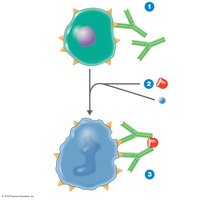
Reactions Related to the Human Leukocyte Antigen (HLA) Complex
HLA Complex and Disease Susceptibility
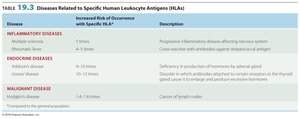
Histocompatibility antigens are self-antigens on cell surfaces encoded by the major histocompatibility complex (MHC). In humans, these genes are called the human leukocyte antigen (HLA) complex. Certain HLAs are associated with increased susceptibility to specific diseases.
HLA typing: Used to match donor and recipient tissues in transplantation.
Transplant rejection: Occurs when T cells, macrophages, and antibodies attack transplanted tissues.
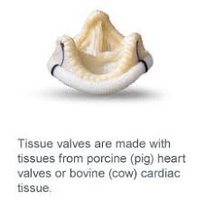
Privileged sites: Locations where transplants are less likely to be rejected (e.g., cornea, heart valves).
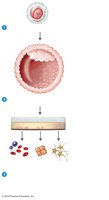

Stem Cells and Grafts
Stem cells are pluripotent cells capable of generating various cell types. Embryonic stem cells are harvested from blastocysts, while adult stem cells can be induced to pluripotency. Grafts are classified as autografts (self), isografts (identical twin), allografts (another person), and xenotransplants (nonhuman tissue).
Hyperacute rejection: Rapid response to nonhuman antigens in xenotransplants.

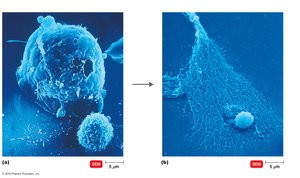
The Immune System and Cancer
Immune Response to Cancer
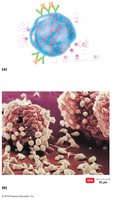
The immune system removes cancer cells through immune surveillance. Cancer cells express tumor-associated antigens, which are targeted by cytotoxic T lymphocytes (CTLs) and macrophages. However, some tumors evade immune detection by lacking antigenic epitopes, reproducing rapidly, or becoming vascularized.
Immunotherapy: Includes bacterial endotoxins, vaccines, monoclonal antibodies, and immunotoxins.
Immunodeficiencies
Congenital and Acquired Immunodeficiencies
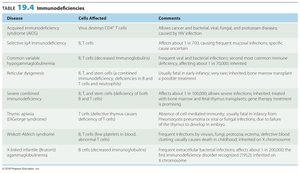
Immunodeficiencies are characterized by insufficient immune responses. Congenital immunodeficiencies result from genetic defects, while acquired immunodeficiencies develop during life due to drugs, cancers, or infections.
Congenital: Defective or missing genes (e.g., severe combined immunodeficiency).
Acquired: Caused by HIV, cancers, or immunosuppressive drugs.
Acquired Immunodeficiency Syndrome (AIDS)
HIV Structure and Infection
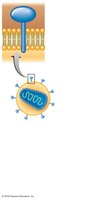
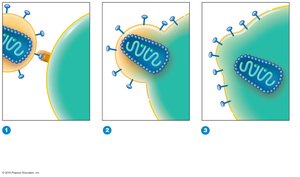
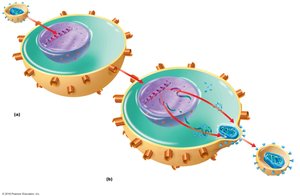
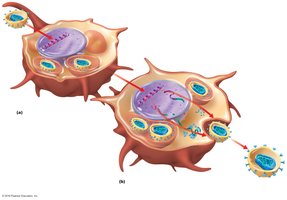
HIV is a retrovirus with two identical RNA strands and a phospholipid envelope containing gp120 glycoprotein spikes. It selectively infects CD4+ T helper cells, leading to immune deficiency. HIV attaches to CD4+ cells via gp120 and enters the cell through fusion facilitated by gp41.
Attachment: gp120 binds CD4 and CCR5/CXCR4 coreceptors.
Fusion: gp41 mediates viral entry.
Replication: Viral RNA is reverse transcribed to DNA, integrated into host genome.
Stages of HIV Infection
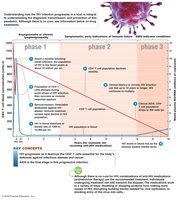
HIV infection progresses through three phases: asymptomatic or lymphadenopathy (Phase 1), steady decline of CD4+ T cells with minor symptoms (Phase 2), and AIDS with CD4+ count below 200 cells/μl and indicator conditions (Phase 3).
Resistance: Initial immune response suppresses HIV, but latent infection persists.
HIV Transmission and Global Impact
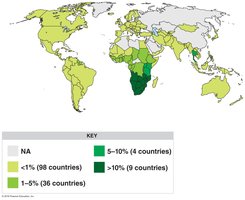
HIV is transmitted via sexual contact, breast milk, transplacental infection, contaminated needles, organ transplants, and blood transfusion. The virus survives for hours outside cells and days inside cells. Sub-Saharan Africa has the highest prevalence, with heterosexual transmission accounting for most cases.
Preventing and Treating AIDS
AIDS is now considered a treatable chronic disease in developed countries. Prevention includes condom use and sterile needles. Treatment involves antiretroviral drugs targeting various stages of the HIV life cycle: fusion/entry inhibitors, reverse transcriptase inhibitors, integrase inhibitors, protease inhibitors, and maturation inhibitors.
HAART: Highly active antiretroviral therapy uses drug combinations to minimize resistance.