 Back
BackDiversity and Pathogenicity of Fungi: Eukaryotic Microbes in Microbiology
Study Guide - Smart Notes
 Tailored notes based on your materials, expanded with key definitions, examples, and context.
Fungal Diversity and Classification
Major Groups of Fungi
Fungi are a diverse kingdom of eukaryotic microorganisms that play essential roles in ecosystems, industry, and human health. They are classified into several major groups based on their reproductive structures and genetic relationships.
Basidiomycota: Includes mushrooms and other macrofungi, many of which form mutualistic relationships with plants.
Ascomycota: Contains molds and yeasts, including many filamentous fungi and some mushrooms.
Glomeromycota: Primarily arbuscular mycorrhizal fungi, important for plant symbiosis.
Zygomycota: Includes bread molds and related species.
Chytridiomycota: Mostly aquatic fungi with flagellated spores.
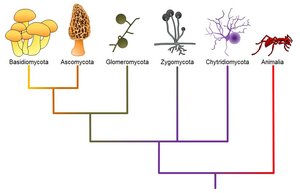
Example: Basidiomycota includes edible mushrooms, while Ascomycota includes both molds and yeasts.
Fungal Morphology and Types
Molds, Mushrooms, and Yeasts
Fungi exhibit a variety of morphologies, each adapted to specific ecological niches and lifestyles.
Molds: Filamentous fungi, primarily in the Ascomycota, that grow as multicellular hyphae forming a mycelium.
Mushrooms: The fruiting bodies of mainly Basidiomycota (and some Ascomycota), often visible above ground and involved in spore dispersal.
Yeasts: Unicellular fungi, mostly in Ascomycota, that reproduce by budding or fission.
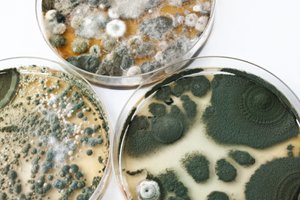
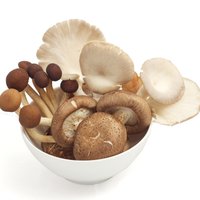
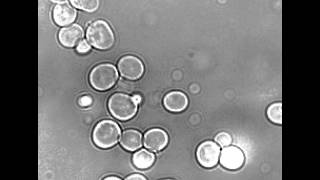
Example: Saccharomyces cerevisiae is a model yeast used in baking and brewing.
Fungal Symbioses: Mycorrhizae
Plant-Fungi Mutualism
Mycorrhizae are mutualistic associations between plant roots and fungi, crucial for nutrient cycling and plant health.
Function: Fungi transfer inorganic nutrients (especially nitrogen and phosphorus) from soil to plants, while plants supply carbohydrates and lipids to the fungi.
Benefits: Enhanced nutrient absorption due to increased surface area of fungal mycelium, improved plant growth, and resilience to environmental stress.
Ectomycorrhizae (EM): Fungal hyphae remain mostly outside plant roots, with limited penetration into root tissue; common in forest trees and associated with mushrooms (mainly Basidiomycetes).
Endomycorrhizae (Arbuscular Mycorrhizae, AM): Fungal hyphae penetrate deeply into root cells, forming arbuscules; found in over 80% of terrestrial plant species, but cannot be cultured in pure culture (mainly Glomeromycota).
Example: Pine trees often form ectomycorrhizal associations with Basidiomycete fungi.
Fungal Toxins and Psychoactive Compounds
Toxic and Hallucinogenic Mushrooms
Some mushrooms produce potent toxins or psychoactive compounds, impacting human health and culture.
α-Amanitin: A cyclic peptide (RiPP) produced by Amanita phalloides (the "Death cap" mushroom) that inhibits RNA polymerase II and III, leading to fatal poisoning.
Psilocybin: An alkaloid "prodrug" found in Psilocybe species ("magic mushrooms"), metabolized to psilocin, which acts as a hallucinogen.
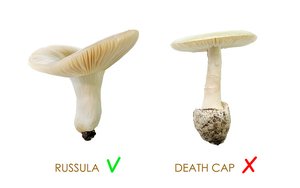
Example: Consumption of Amanita phalloides can be fatal, while Psilocybe mushrooms are used for their psychoactive effects.
Pathogenic Fungi and Human Disease
Major Fungal Diseases
Fungi can cause a range of diseases in humans, from superficial infections to life-threatening systemic mycoses. These diseases are classified based on the site and severity of infection.
Diseases by class | Causal organism | Site |
|---|---|---|
Superficial mycoses | Trichophyton, Microsporum | Skin, hair, nails |
Subcutaneous mycoses | Sporothrix schenckii, other fungi | Arms, hands, legs, feet |
Systemic mycoses | Aspergillus spp., Candida albicans, Coccidioides immitis, Cryptococcus neoformans, Histoplasma capsulatum, Pneumocystis jirovecii | Lung, oral cavity, vagina, skin |

Example: Candida albicans causes oral and vaginal candidiasis, while Aspergillus species can cause lung infections.
Fungi as Pathogens of Other Organisms
Cordyceps and Cross-Kingdom Infections
Cordyceps fungi are known for their ability to infect and kill insects, manipulating host behavior to facilitate spore dispersal. Rarely, some plant-pathogenic fungi have crossed over to infect humans.
Cordyceps: Parasitic fungi that infect insects, eventually killing the host and producing fruiting bodies from the host's body.
Chondrostereum purpureum: A fungus known for killing trees, recently reported to have infected a human, causing a pus-filled abscess in the throat.
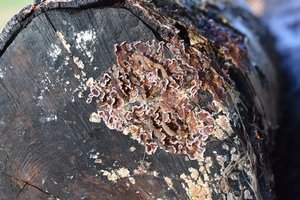
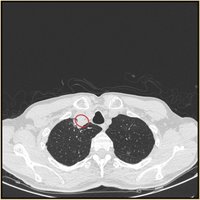
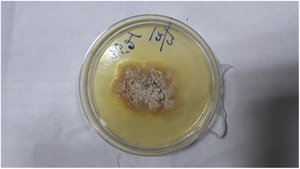
Example: The first documented human infection by Chondrostereum purpureum highlights the potential for cross-kingdom pathogenicity.
Fungi in Extreme Environments
Chernobyl Fungus
Some fungi have evolved to thrive in extreme environments, such as the radioactive ruins of Chernobyl. These fungi may possess unique adaptations, such as the ability to utilize radiation as an energy source (radiotrophy).
Key Microbe: Cladosporium sphaerospermum and related species have been found growing in high-radiation environments.
Significance: These fungi are of interest for their potential applications in bioremediation and understanding life under extreme conditions.
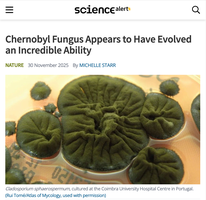
Example: Fungi isolated from Chernobyl have been studied for their ability to survive and even thrive in radioactive environments.
Summary Table: Fungal Diversity and Impact
Fungal Group | Key Features | Examples | Relevance |
|---|---|---|---|
Basidiomycota | Mushrooms, macrofungi, ectomycorrhizae | Amanita phalloides, edible mushrooms | Food, toxins, plant symbiosis |
Ascomycota | Molds, yeasts, some mushrooms | Saccharomyces cerevisiae, Aspergillus | Fermentation, disease, biotechnology |
Glomeromycota | Arbuscular mycorrhizae | AM fungi | Plant nutrition |
Zygomycota | Bread molds | Rhizopus | Food spoilage |
Chytridiomycota | Aquatic, flagellated spores | Chytrids | Aquatic ecosystems |
