 Back
BackDiversity and Phylogeny of Bacteria: Major Groups and Their Characteristics
Study Guide - Smart Notes
 Tailored notes based on your materials, expanded with key definitions, examples, and context.
Diversity of Bacteria
Phylogenetic Overview of Bacteria
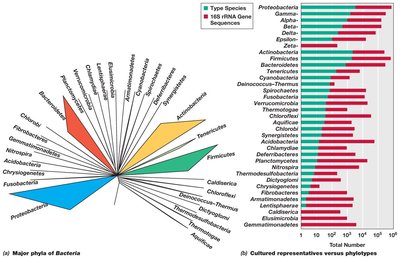
The domain Bacteria is highly diverse, encompassing numerous phyla with distinct evolutionary lineages. More than 90% of characterized genera and species are found within four major phyla: Proteobacteria, Actinobacteria, Firmicutes, and Bacteroidetes. Phylogenetic relationships are often determined using 16S rRNA gene sequencing, which reveals both cultured and uncultured representatives.
Proteobacteria: The largest and most metabolically diverse phylum.
Actinobacteria: High G+C Gram-positive bacteria, many of which are important for antibiotics.
Firmicutes: Low G+C Gram-positive bacteria, including many lactic acid bacteria and endospore-formers.
Bacteroidetes: Dominant in the human gut, important for polysaccharide degradation.
Proteobacteria
General Characteristics
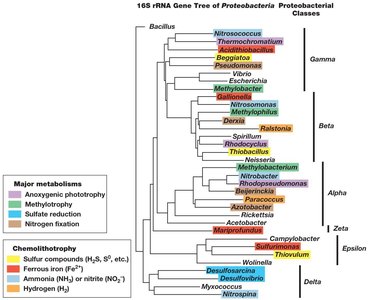
Proteobacteria represent a major lineage of Bacteria, including many commonly encountered and metabolically diverse species. They are divided into five classes: Alpha-, Beta-, Gamma-, Delta-, and Epsilonproteobacteria. Members exhibit chemolithotrophy, chemoorganotrophy, and phototrophy, and display a wide range of morphologies.
Alphaproteobacteria
This class includes phototrophs, chemolithotrophs, symbionts, nitrogen-fixing bacteria, pathogens, and chemoorganotrophs. Notable genera include Rhizobium, Agrobacterium, Bartonella, and Rickettsia.
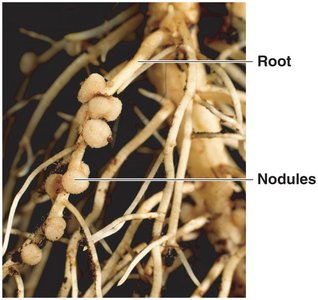
Rhizobiales: Contains nitrogen-fixing bacteria such as Rhizobium and Azospirillum, which form symbiotic relationships with plant roots, leading to the formation of root nodules.
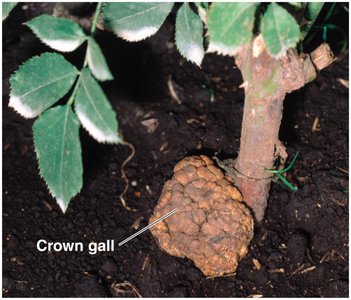
Agrobacterium: A plant pathogen that inserts a plasmid into plant cells, inducing tumor formation (crown gall disease).
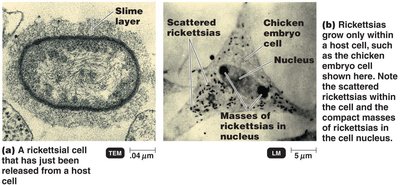
Rickettsiales: Includes obligate intracellular parasites such as Rickettsia and Wolbachia. Rickettsia species are causative agents of diseases like typhus and Rocky Mountain spotted fever. Wolbachia are widespread in insects and nematodes, with potential as biological control agents.
Betaproteobacteria
Betaproteobacteria display a wide range of metabolic and ecological characteristics. Key genera include Rhodocyclus, Zooglea, and Neisseria.
Rhodocyclales: Includes purple nonsulfur bacteria (Rhodocyclus) and important wastewater treatment bacteria (Zooglea).
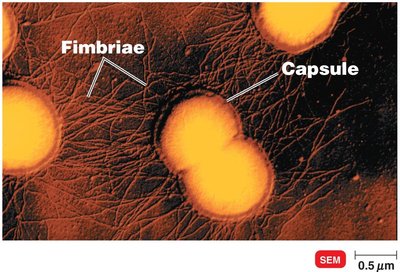
Neisseriales: Neisseria species are chemoheterotrophic cocci, some of which are pathogenic (e.g., N. meningitidis, N. gonorrhoeae).
Gammaproteobacteria – Enterobacteriales
Enterobacteriales are a phylogenetic group within the Gammaproteobacteria, including genera such as Escherichia, Salmonella, Shigella, Proteus, Enterobacter, Klebsiella, and Serratia. They are facultative aerobes, rod-shaped, and ferment sugars to various end products.
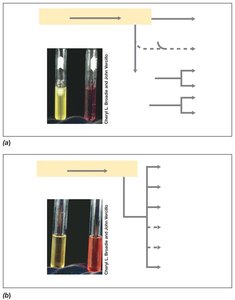
Mixed-acid fermenters: Produce a mixture of acids and gases from glucose fermentation (e.g., Escherichia coli, Salmonella, Shigella, Proteus).
2,3-butanediol fermenters: Produce butanediol as a major end product (e.g., Enterobacter, Klebsiella, Serratia).
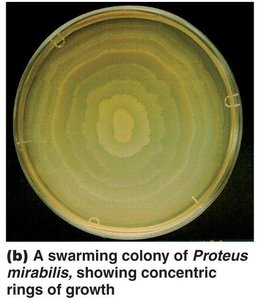
Proteus: Notable for swarming motility and frequent cause of urinary tract infections.
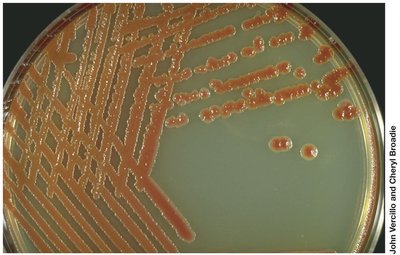
Serratia: Some strains produce red pigment and are associated with nosocomial infections.
Gammaproteobacteria – Pseudomonadales and Vibrionales
Pseudomonadales and Vibrionales include important plant and animal pathogens, as well as metabolically versatile environmental bacteria.
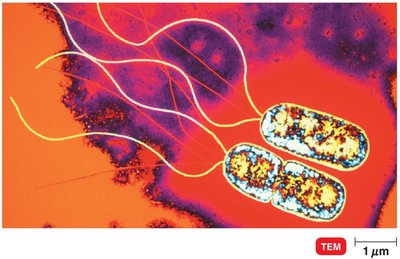
Pseudomonas: Opportunistic pathogens, oxidase- and catalase-positive, with polar flagella.
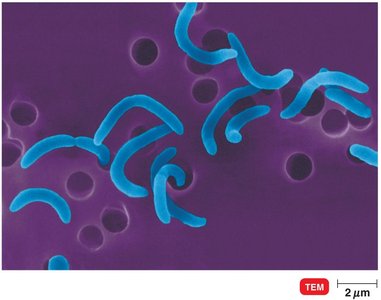
Vibrio: Curved rods, oxidase-positive, fermentative, and found in aquatic environments. Vibrio cholerae causes cholera.
Epsilonproteobacteria
This class includes genera such as Campylobacter and Helicobacter, which are Gram-negative, motile spirilla, oxidase- and catalase-positive, and pathogenic to humans and animals.
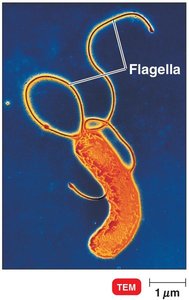
Helicobacter pylori: Associated with peptic ulcers and stomach cancer, characterized by multiple flagella.
Firmicutes
Lactobacillales
Firmicutes include lactic acid bacteria such as Lactobacillus and Streptococcus. These bacteria are important in food production and some are pathogenic.
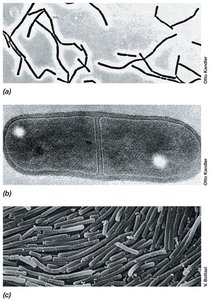
Lactobacillus: Rod-shaped, acid-tolerant, common in dairy products.
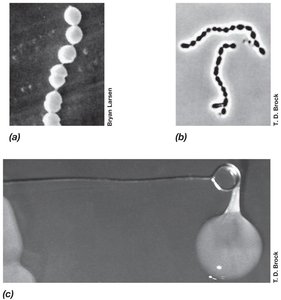
Streptococcus: Coccus-shaped, grow in chains, important in dairy and some species are pathogenic.
Nonsporulating Bacillales and Clostridiales
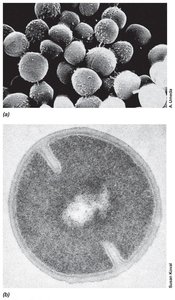
Includes genera such as Listeria and Staphylococcus. Staphylococcus aureus is notable for its salt tolerance and pigmentation.
Sporulating Bacillales and Clostridiales
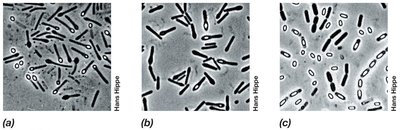
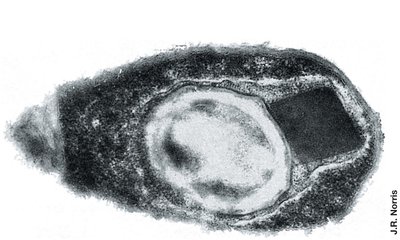
These bacteria form endospores, which are highly resistant structures. Key genera include Bacillus, Clostridium, and Sporosarcina.
Bacillus: Produces antibiotics and insect larvicides.
Clostridium: Anaerobic, causes diseases such as botulism, tetanus, and gangrene.
Tenericutes: The Mycoplasmas
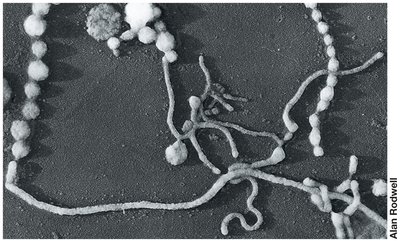
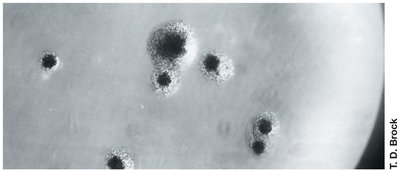
Mycoplasmas lack cell walls and are among the smallest organisms capable of autonomous growth. They are pleomorphic and require complex media for growth. Colonies often have a "fried-egg" appearance.
Actinobacteria
Coryneform and Propionic Acid Bacteria
Actinobacteria are high G+C Gram-positive bacteria, including Corynebacterium, Arthrobacter, and Propionibacterium. Propionic acid bacteria are important in cheese production and secondary fermentation.
Mycobacterium
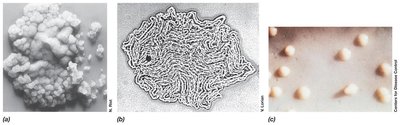
Mycobacterium species are acid-fast, rod-shaped, and form wrinkled colonies. Mycobacterium tuberculosis is a major human pathogen.
Filamentous Actinobacteria: Streptomyces and Relatives
Filamentous, Gram-positive bacteria that produce mycelium and conidia. Streptomyces are notable for antibiotic production and are common in soil.
Bacteroidetes
Bacteroides are obligately anaerobic, dominant in the human gut, and synthesize sphingolipids.
Chlamydiae
Obligate intracellular parasites with poor metabolic capacities. Chlamydia is a leading cause of sexually transmitted diseases. The life cycle alternates between infectious elementary bodies and replicative reticulate bodies.
Planctomycetes
Gram-negative bacteria with unique cell compartmentalization, including a membrane-enclosed nuclear structure. Many divide by budding and are aquatic.
Thermotogae and Thermodesulfobacteria
Hyperthermophilic bacteria, with Thermotoga growing at up to 90°C and Thermodesulfobacterium being a thermophilic, sulfate-reducing bacterium.
Deinococcus–Thermus Group
Includes Deinococcus (resistant to radiation and desiccation) and Thermus (source of Taq DNA polymerase for PCR).
Additional info: This guide covers the major phyla and representative genera of Bacteria, focusing on their phylogeny, metabolic diversity, ecological roles, and medical significance. Images are included only where they directly illustrate key concepts or representative organisms.
