 Back
BackEnvironmental Limits on Microbial Growth: Temperature, pH, Osmolarity, and Oxygen
Study Guide - Smart Notes
 Tailored notes based on your materials, expanded with key definitions, examples, and context.
Environmental Limits on Microbial Growth
Overview
Microorganisms can only grow, divide, and survive within specific physical and chemical conditions. When environmental factors move outside an organism’s tolerance range, microbial growth slows, stops, or cells die. The four main environmental factors that strongly affect microbial growth are temperature, pH, water availability (osmolarity), and oxygen. Each factor has a defined range for each microbe, and growth will not occur if any one factor is outside the organism’s tolerance, even if all nutrients are present.
Temperature and Microbial Growth
Temperature Influence on Microbial Growth
Temperature is a critical factor because it directly affects enzyme activity, metabolic rates, and membrane fluidity. Microbes cannot regulate their internal temperature and must adapt their cellular components to survive temperature changes.
Enzyme Activity: Temperature affects how efficiently enzymes catalyze reactions.
Membrane Fluidity: Cell membranes must remain flexible for nutrient transport and cellular processes.
Metabolic Rate: Higher temperatures generally increase reaction rates up to a point, after which proteins denature.
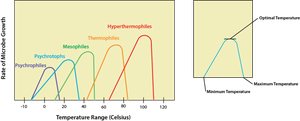
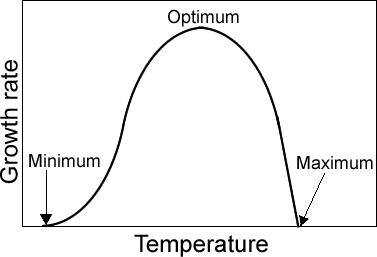
Classification by Temperature
Microbes are classified based on their optimal temperature ranges:
Psychrophiles: Grow best at 0–15°C (cold environments, e.g., polar regions).
Psychrotrophs: Prefer cool temperatures, can grow in refrigerators, often spoil food.
Mesophiles: Grow best at 20–45°C; most human pathogens are mesophiles (optimal at 37°C).
Thermophiles: Grow best at 50–80°C (hot environments).
Hyperthermophiles: Grow above 80°C (extreme heat, e.g., hot springs, deep-sea vents).
How Temperature Affects Microbial Cells
Optimal Temperature: Enzymes function efficiently, and cells grow fastest.
Above Optimum: Proteins and enzymes denature, membranes become too fluid, and growth stops.
Below Optimum: Chemical reactions slow, enzymes lose flexibility, and membranes become rigid, impeding nutrient uptake.
Microbial Adaptations to Temperature Extremes
Adaptation to High Temperatures (Thermophiles & Hyperthermophiles)
Heat-loving microbes stabilize their proteins and membranes to prevent denaturation and maintain function at high temperatures.
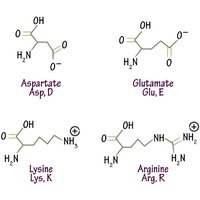
Protein Stabilization: Thermophiles use charged amino acids (arginine, lysine) to form strong ionic bonds and salt bridges, stabilizing protein structure.
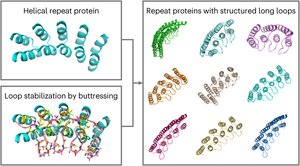
Tighter Protein Structure: Heat-stable proteins have shorter loops and are more densely packed, minimizing heat damage.
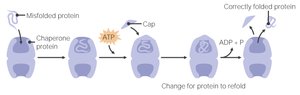
Chaperone Proteins: Heat-shock proteins refold damaged proteins and prevent proteins from clumping together
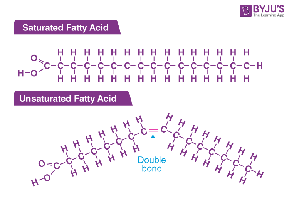
Membrane Adaptations: (Lipid Saturation) Thermophiles use saturated fatty acids for tightly packed membranes, preventing melting.
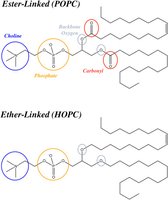
Ether Linkages: Some Archaea use ether-linked lipids, which are more heat-resistant than ester linkages.
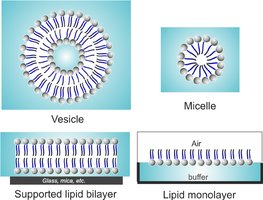
Lipid Monolayers: Hyperthermophiles may form a lipid monolayer, which is more stable than a bilayer at high temperatures.
DNA Protection: Reverse gyrase introduces positive supercoils, stabilizing DNA; high GC content and stabilizing solutes further protect DNA from heat denaturation.
Adaptation to Low Temperatures (Psychrophiles & Psychrotrophs)
Cold-adapted microbes maintain membrane fluidity and enzyme flexibility to survive low temperatures.
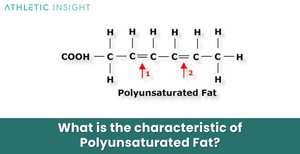
Membrane Flexibility: Use polyunsaturated fatty acids with kinks to keep membranes loose and functional in the cold.
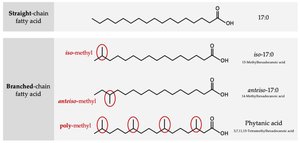
Branched Fatty Acids: Branched chains prevent tight packing, maintaining membrane fluidity.
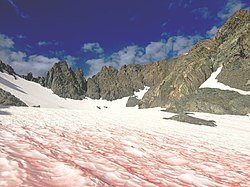
Protective Pigments: Cold-loving microbes may produce pigments that protect membranes from cold-induced damage.
Cold-Adapted Enzymes: Psychrozymes are more flexible, have open active sites, and function efficiently at low temperatures but are heat-sensitive.
Molecular Helpers: Cold shock proteins, antifreeze proteins, and cryoprotectants (e.g., trehalose, glycerol) prevent ice damage and maintain cellular function.
Biotechnological Applications of Thermophiles
Heat-Stable Enzymes: Used in industrial processes requiring high temperatures.
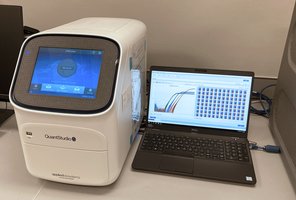
PCR (Polymerase Chain Reaction): Taq DNA polymerase from thermophiles enables DNA amplification at high temperatures, essential for molecular biology, diagnostics, and forensics.
Environmental Effects on Growth: pH, Osmolarity, and Oxygen
pH and Microbial Growth
pH affects microbial growth by influencing enzyme activity, protein structure, and membrane stability. Each microbe has a defined pH range for growth, with an optimum, minimum, and maximum value.
Neutrophiles: Grow best near pH 7 (most bacteria).
Acidophiles: Thrive at pH < 5.5 (certain fungi and archaea).
Alkaliphiles: Prefer pH > 8.0 (found in soda lakes, alkaline soils).


Protein Denaturation: Extreme pH disrupts protein folding, causing loss of function and cell death.
Enzyme Activity: Enzymes have specific pH optima; deviations reduce efficiency and slow metabolism.
Membrane Integrity: pH affects membrane stability and ion transport, impacting energy production and homeostasis.
Acidic Food Preservation
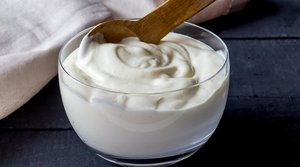
Acidification lowers food pH, inhibiting or killing most bacteria. Acidic foods (e.g., pickles, yogurt) typically have pH < 4.6, a key food-safety threshold.
Weak Acid Theory: Organic acids cross cell membranes in undissociated form, dissociate inside the cell, and acidify the cytoplasm, disrupting metabolism.
Protein/Enzyme Damage: High acidity denatures proteins and enzymes, causing cell death.
Resource Competition: In fermented foods, beneficial bacteria outcompete spoilage microbes by consuming available sugars.
Preservation Methods
Pickling: Preserves food by lowering pH with acid (direct addition or fermentation).


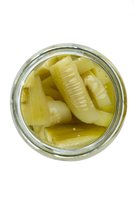
Fermentation: Lactic acid bacteria ferment sugars to lactic acid, lowering pH and suppressing pathogens (e.g., yogurt, sauerkraut).

Osmolarity and Microbial Growth
Osmolarity Effects
Osmolarity refers to the concentration of solutes in the environment, affecting water availability, turgor pressure, cell size, and growth rate.
Dehydration and Inhibition: High osmolarity (hypertonic) causes water loss, plasmolysis, and growth inhibition.
Metabolic Slowdown: Osmotic stress slows translation and metabolism.
Cell Size Reduction: Cells shrink and divide at smaller sizes under osmotic stress.
Adaptation Mechanisms
Compatible Solutes: Cells accumulate small molecules (e.g., proline, glycine betaine, trehalose) to retain water and maintain function.
Salt-In Strategy: Halophiles accumulate salt internally to balance external osmolarity.
Transient Division Bursts: Sudden osmotic stress can trigger rapid cell division before growth slows.
Microbial Classifications by Osmotic Requirements
Halophiles: Require high salt (3–15% NaCl).
Halotolerant: Tolerate moderate salt (e.g., Staphylococcus aureus).
Osmophiles: Prefer high-sugar environments.
Xerophiles: Adapted to very dry conditions.
Oxygen and Microbial Growth
Oxygen Requirements
Oxygen availability determines microbial energy production and survival. Microbes are classified by their oxygen needs:
Obligate Aerobes: Require oxygen for growth.
Obligate Anaerobes: Oxygen is toxic; cannot survive in its presence.
Facultative Anaerobes: Grow best with oxygen but can survive without it.
Aerotolerant Anaerobes: Do not use oxygen but are not harmed by it.
Microaerophiles: Require low levels of oxygen.
Why Oxygen Affects Microbial Growth
Energy Production: Oxygen is used for aerobic respiration (ATP generation).
Toxic Byproducts: Oxygen metabolism produces reactive oxygen species (ROS) that can damage cells; only some microbes have enzymes to detoxify ROS.
Growth Limitation: Insufficient oxygen limits energy production and growth for aerobes.
Modified Atmosphere Packaging (MAP)
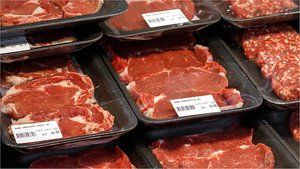
MAP preserves food by altering the air composition inside packaging, reducing oxygen and increasing carbon dioxide to slow microbial spoilage and extend shelf life.
Less Oxygen: Inhibits aerobic spoilage microbes.
Carbon Dioxide: Suppresses microbial growth by lowering pH and interfering with cell function.
Slower Metabolism: Reduces respiration in fresh produce, delaying spoilage.
Controlling Microbial Growth
Levels of Control
Sterilization: Kills all microbes, including spores and viruses.
Disinfection: Kills most harmful microbes on surfaces (not spores).
Antisepsis: Kills or inhibits microbes on living tissue (skin).
Sanitization: Reduces microbe numbers to safe levels.
Bacteriostatic: Inhibits growth without killing microbes.
Physical Methods of Microbial Control
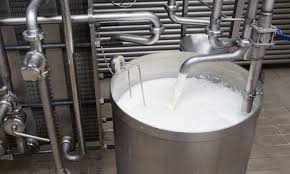
Heat: Moist heat (autoclaving), dry heat, boiling, and pasteurization kill or reduce microbes.
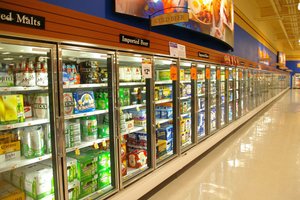
Low Temperatures: Refrigeration and freezing slow growth; freeze-drying preserves microbes.
Other Methods: UV radiation (damages DNA), filtration (removes microbes), desiccation (removes water), and high pressure (damages cells).
Chemical Methods of Microbial Control
Disinfectants: Used on non-living surfaces.
Antiseptics: Safe for use on skin.
Sanitizers: Lower microbe numbers on food surfaces.
Degerming: Physical removal (e.g., handwashing).
Antibiotics: Target specific microbes; can be bacteriostatic or bactericidal.
Factors Affecting Microbial Control
Concentration: Higher concentrations of chemicals are generally more effective.
Time: Longer exposure increases effectiveness.
Temperature & pH: Can enhance or reduce treatment efficacy.
Material: Some materials require specific methods (e.g., heat-sensitive plastics).
