 Back
Backlec 15
Study Guide - Smart Notes
 Tailored notes based on your materials, expanded with key definitions, examples, and context.
Eukaryotic Microbes: Algae and Fungi
Algae: Diversity and Ecological Importance
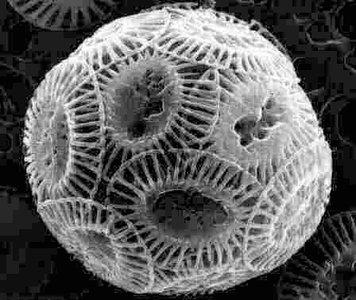
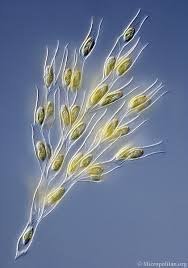
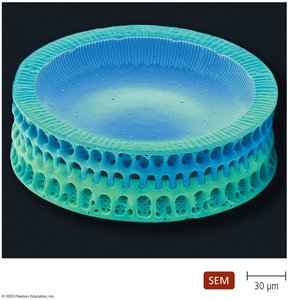
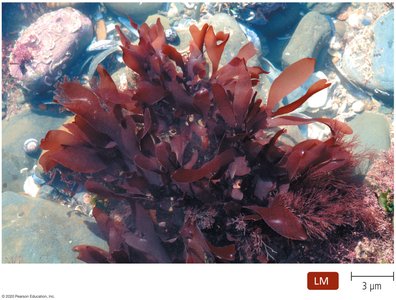
Algae are eukaryotic photoautotrophs that play a crucial role in global oxygen production and aquatic ecosystems. They are diverse, ranging from unicellular to multicellular forms, and are classified based on their pigments and cell wall components.
Definition: Algae are simple, mostly aquatic eukaryotes that perform photosynthesis using chlorophyll and other pigments.
Major Groups:
Chrysophyta (Golden Algae, Diatoms): Contain chlorophylls a and b, carotene; major oxygen producers.
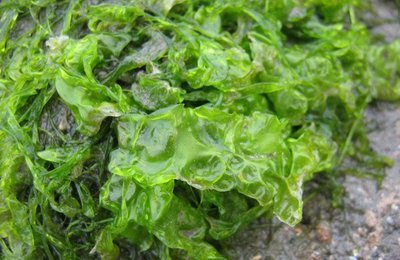
Chlorophyta (Green Algae): Contain chlorophylls a and b, carotene; many have flagella.
Rhodophyta (Red Algae): Contain chlorophyll a, carotene, xanthophylls, and phycoerythrin; cell walls contain agar and carrageenan.
Phaeophyta (Brown Algae): Contain chlorophylls a and b, carotene, xanthophylls; cell walls contain cellulose and alginate.
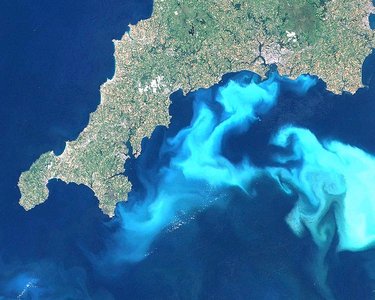
Ecological Role: Marine algae (phytoplankton) are responsible for over 50% of Earth's oxygen production.
Cell Structure: Algae may be unicellular, multicellular, or form colonies; marine forms often have holdfasts for anchoring.
Commercial Uses: Agar (from red algae) is used as a solidifying agent in molecular biology; alginate (from brown algae) is used medicinally.

Fungi: Structure, Life Cycle, and Ecological Roles
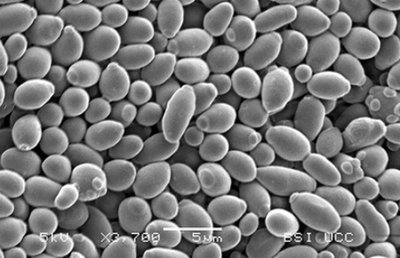
Fungi are eukaryotic chemoheterotrophs that absorb nutrients from organic matter. They lack chlorophyll and do not perform photosynthesis. Fungi are classified based on their morphology and reproductive strategies.
Definition: Fungi are eukaryotic organisms that obtain energy by decomposing organic material.
Major Forms:
Yeasts: Unicellular fungi that reproduce asexually by budding; form hyphae only during mating.
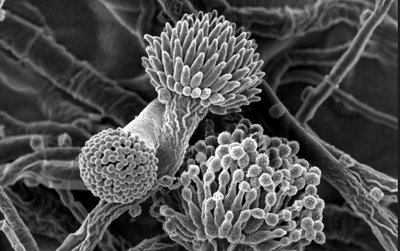
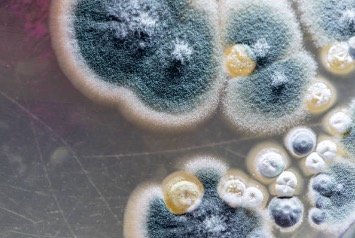
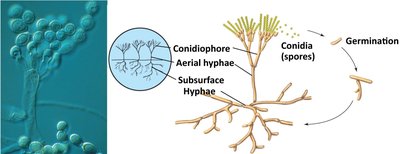
Molds: Multicellular fungi with filamentous hyphae; reproduce by forming spores.
Dimorphic Fungi: Can switch between yeast and mold forms depending on environmental conditions.
Cell Wall Composition: Most fungal cell walls are made of chitin and galactomannans.
Life Cycle: Fungi have vegetative (growth) and reproductive (spore-producing) phases.
Reproductive Structures: Fruiting bodies (e.g., mushrooms) are macroscopic reproductive structures.
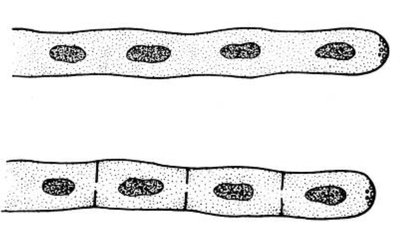
Hyphae Types: Septate (with cross-walls) and aseptate (without cross-walls).
Ecological Role: Most fungi are saprobes, decomposing dead organisms; some are pathogenic (mycoses).
Commercial Uses: Fungi are used in food production, traditional medicine, bioremediation, and textiles.
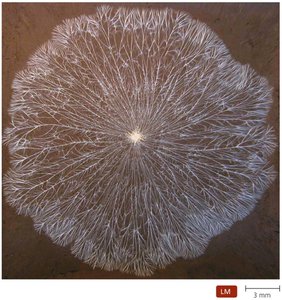
Basidiomycetes: Mushrooms and Their Life Cycle
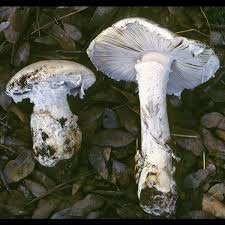
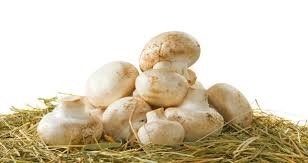
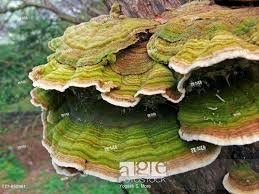
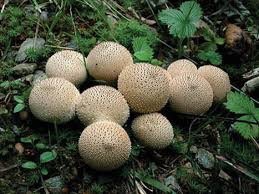
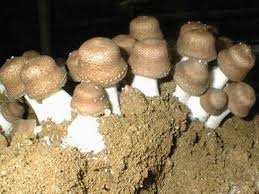
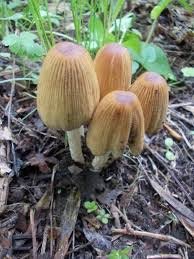
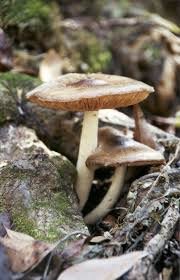
Basidiomycetes are a group of fungi that include mushrooms, which are important decomposers in ecosystems. Their life cycle involves both vegetative growth and sexual reproduction, resulting in the formation of basidiocarps (mushroom fruiting bodies).
Vegetative Phase: Mycelium grows underground or in decaying matter, replicating asexually.
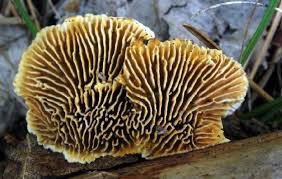
Reproductive Phase: Formation of basidiocarp (cap and gills) above ground during mating.
Spore Production: Basidia on gills produce basidiospores, which are released and dispersed by wind.
Ecological Role: Mushrooms decompose organic matter and recycle nutrients.
Examples: Armillaria ostoyae (honey mushroom) is the world's largest living organism, mostly underground.
Lichens: Symbiotic Communities
Lichens are symbiotic associations between fungi (ascomycetes and basidiomycetes) and photosynthetic partners (algae or cyanobacteria). They are important in soil formation and as indicators of environmental health.
Structure: Meshwork of fungal hyphae forms the body; algal or cyanobacterial cells are trapped in soredia.
Ecological Role: Lichens colonize harsh environments, contribute to soil formation, and absorb pollutants.
Comparison of Archaeal, Bacterial, and Eukaryotic Cells
Microbial cells are classified into three domains: Archaea, Bacteria, and Eukaryotes. Each group has distinct structural and functional characteristics.
Characteristic | Archaea | Bacteria | Eukaryotes |
|---|---|---|---|
Cell wall | Present in most; lack peptidoglycan | Present in most; composed of peptidoglycan | Present in plants, algae, fungi |
Cytoplasmic membrane | Present in all | Present in all | Present in all |
Ribosomes | Small (70S) | Small (70S) | Large (80S) in cytosol and on ER; 70S in mitochondria/chloroplasts |
Chromosomes | Single, circular | Single, circular | Linear, more than one per cell |
Nucleus | Absent | Absent | Present |
Organelles | Absent | Present in few | Various types present in all |
Motility | Present in some | Present in some | Present in some; flagella, cilia, pseudopods |
Flagella | Rotate; composed of basal body, hook, filament | Rotate; composed of basal body, hook, filament | Undulate; "9+2" microtubule arrangement |
Cilia | Absent | Absent | Present in some |
Fimbriae/Pili | Present in some | Present in some | Absent |
Hami | Present in some | Absent | Absent |
Additional info:
Fungal spores are distinct from bacterial endospores; fungal spores are for reproduction, while bacterial endospores are for survival.
Dimorphic fungi are often pathogenic in humans, switching forms based on temperature.
Lichens are sensitive to environmental changes and are used as bioindicators.
