 Back
Eukaryotic Microorganisms: Fungi, Algae, Protozoa, and Helminths
Study Guide - Smart Notes
 Tailored notes based on your materials, expanded with key definitions, examples, and context.
The Eukaryotes: Fungi, Algae, Protozoa, and Helminths
Fungi
Fungi are a diverse group of eukaryotic organisms studied in the field of mycology. They play essential roles in decomposition and nutrient cycling, and some are medically or economically significant.
Chemoheterotrophs: Fungi obtain energy and carbon from organic compounds.
Decomposition: Fungi decompose organic matter, recycling nutrients in ecosystems.
Respiration: Most fungi are aerobic, but some yeasts are facultative anaerobes.
Motility: Fungi are non-motile.
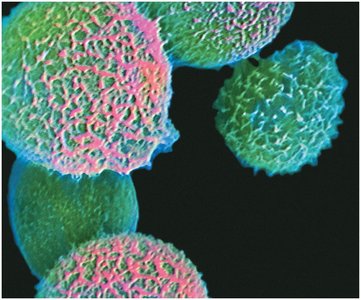
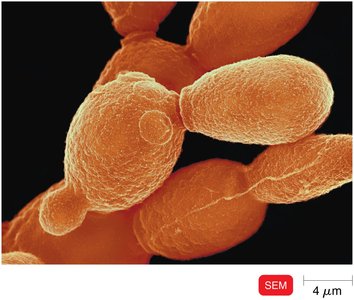
Fungal Structures
Fungi exhibit a variety of structural forms, including yeasts and molds. Yeasts are unicellular, while molds are multicellular and filamentous.
Yeasts: Nonfilamentous, unicellular fungi. They reproduce by budding (uneven division) or fission (even division).
Dimorphic Fungi: Some fungi can switch between yeast-like and mold-like forms depending on environmental conditions.
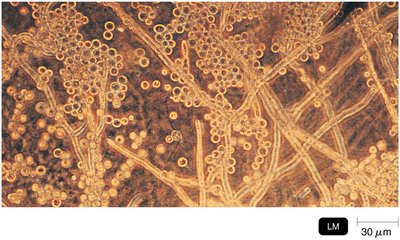
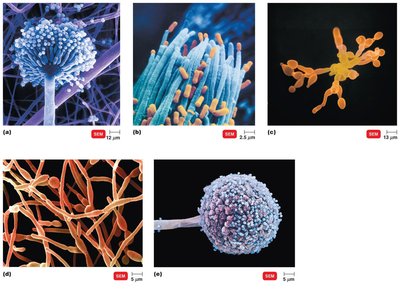
Representative Asexual Spores
Fungi reproduce asexually through various types of spores, each with distinct structures and functions.
Conidia: Formed in chains at the end of conidiophores (e.g., Aspergillus niger).
Arthroconidia: Result from fragmentation of hyphae.
Blastoconidia: Formed from the buds of parent cells (e.g., Candida albicans).
Chlamydoconidium: Thick-walled cells within hyphae.
Sporangiospores: Formed within a sporangium (e.g., Rhizopus stolonifer).
Fungal Nutritional Adaptations
Fungi are highly adaptable to various environmental conditions, allowing them to thrive in diverse habitats.
Optimal pH: Grow best at pH 5.
Osmotic Tolerance: Can grow in high sugar and salt concentrations.
Moisture: Can grow in low moisture environments.
Metabolism: Can metabolize complex carbohydrates.
Nitrogen Requirement: Require less nitrogen than bacteria.
Medically Important Fungi
Several fungal groups are important in medicine, agriculture, and industry.
Zygomycota: Includes Rhizopus stolonifer.
Microsporidia: Obligate intracellular parasites, lack mitochondria.
Ascomycota: Includes Saccharomyces cerevisiae (used in baking and brewing), Claviceps purperea (ergot).
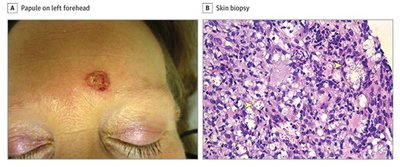
Basidiomycota: Includes Cryptococcus neoformans, a pathogen.
Fungal Diseases (Mycoses)
Fungi can cause a range of diseases, classified by the site and severity of infection.
Systemic mycoses: Affect internal organs and tissues.
Subcutaneous mycoses: Occur beneath the skin.
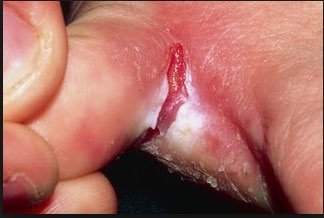
Cutaneous mycoses: Affect skin, hair, and nails.
Superficial mycoses: Localized to hair shafts or skin surface.
Opportunistic mycoses: Cause disease in immunocompromised hosts.
Economic Uses of Fungi
Fungi are utilized in various industries for their metabolic products and biological activities.
Aspergillus niger: Production of citric acid.
Aspergillus terreus: Production of statins (cholesterol inhibitors).
Saccharomyces cerevisiae: Used in bread, wine, and hepatitis B vaccine production.
Trichoderma: Produces cellulase.
Taxomyces: Produces taxol (anticancer drug).
Tolypocladium inflatum: Produces cyclosporine (immunosuppressant).
Coniothyrium minitans: Biocontrol agent against crop fungi.
Paecilomyces: Used to kill termites.

Algae
Algae Characteristics
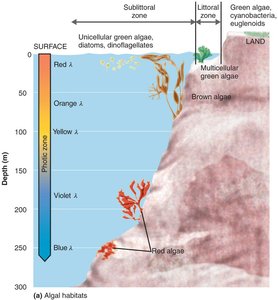
Algae are a diverse group of photosynthetic eukaryotes, important for their ecological roles and oxygen production.
Not a taxonomic group: Algae are classified based on their characteristics, not taxonomy.
Structure: Unicellular or filamentous; lack roots, stems, and leaves.
Habitat: Mostly aquatic.
Reproduction: All reproduce asexually; multicellular algae may reproduce sexually or by fragmentation.
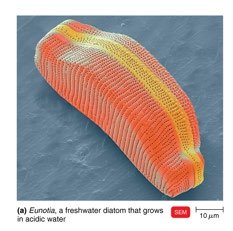
Diatoms
Diatoms are unicellular or filamentous algae with unique cell walls and ecological significance.
Cell walls: Composed of pectin and silica.
Energy storage: Store energy from photosynthesis as oil.
Toxins: Produce domoic acid, which can cause neurological disease.
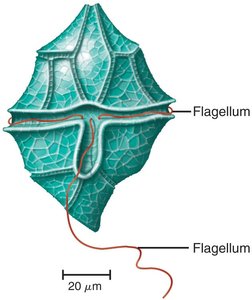
Dinoflagellates
Dinoflagellates are unicellular algae with distinctive cell walls and flagella, some of which produce harmful toxins.
Cellulose in plasma membrane.
Neurotoxins: Saxitoxins cause paralytic shellfish poisoning.
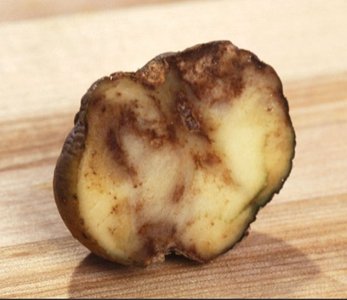
Oomycota (Water Molds)
Oomycota are fungus-like organisms that play roles as decomposers and plant pathogens.
Cell walls: Composed of cellulose.
Metabolism: Chemoheterotrophic.
Pathogenic species: Phytophthora infestans (Irish potato blight), P. cinnamoni (Eucalyptus infection), P. ramorum (sudden oak death).
Roles of Algae in Nature
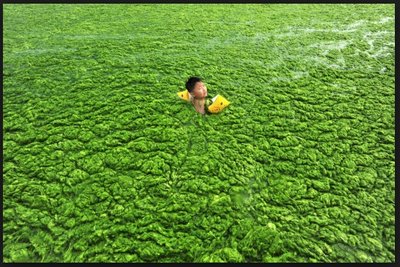
Algae are crucial for global carbon and oxygen cycles, and their blooms can impact aquatic environments.
CO2 fixation: Convert carbon dioxide into organic molecules.
Oxygen production: Responsible for 80% of Earth's oxygen.
Algal blooms: Can release toxins or deplete oxygen when dying.
Oil production: Some algae produce oils used in biofuels.
Symbiosis: Algae form symbiotic relationships with animals.
Protozoa
Protozoa Characteristics
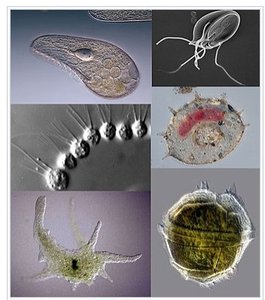
Protozoa are unicellular eukaryotes with complex life cycles and diverse modes of nutrition and reproduction.
Habitat: Found in water and soil.
Nutrition: Animal-like, ingesting food particles.
Life cycles: May involve multiple stages and hosts.
Normal microbiota: Some protozoa are part of animal microbiota; others cause disease.

Protozoan Life Cycle and Reproduction
Protozoa exhibit both asexual and sexual reproduction, and can form cysts for survival.
Trophozoite: Feeding and growing stage.
Asexual reproduction: By fission, budding, or schizogony (multiple fission).
Sexual reproduction: Via conjugation.
Cysts: Dormant, resistant forms for survival.
Feeding and Structural Adaptations
Protozoa have specialized structures for feeding and protection.
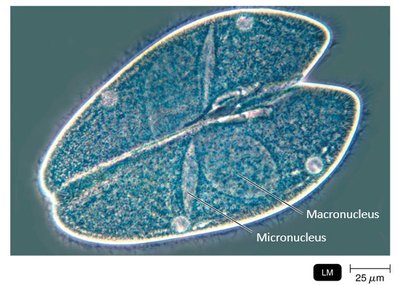
Pellicle: Protective outer layer.
Ciliates: Use cilia to direct food into cytosome.
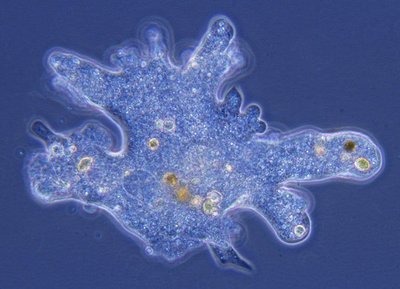
Amebae: Phagocytize food using pseudopods.
Vacuoles: Digest food.
Anal pore: Eliminates waste.
Medically Important Protozoa
Several protozoan groups are significant in human health.
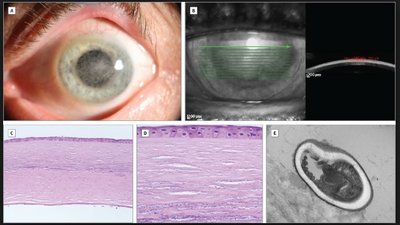
Amebae: Move by pseudopods; includes Entamoeba histolytica (causes dysentery), Acanthamoeba (corneal infections), Balamuthia (encephalitis).
Apicomplexa: Nonmotile, obligate intracellular parasites; includes Toxoplasma gondii (fetal infections), Cryptosporidium (waterborne illness), Plasmodium (malaria).
Ciliates: Move by cilia; Balantidium coli causes dysentery.
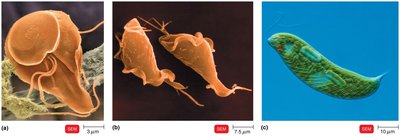
Diplomonads: Lack mitochondria, multiple flagella; Giardia intestinalis.
Parabasalids: Undulating membrane, no cyst stage; Trichomonas vaginalis.
Euglenozoa: Photoautotrophs or facultative chemotrophs; includes hemoflagellates transmitted by insect bites.
Helminths
Characteristics of Helminths
Helminths are multicellular parasitic worms with specialized adaptations for life in hosts.
Digestive system: May be reduced or absent.
Nervous system: Reduced.
Locomotion: Reduced or lacking.
Reproductive system: Complex, often with high reproductive output.
Life Cycle and Hosts
Helminths have complex life cycles involving different hosts and developmental stages.
Dioecious: Separate male and female individuals.
Monoecious (hermaphroditic): Both reproductive systems in one animal.
Stages: Egg → larva(e) → adult.
Definitive host: Supports adult or sexually reproductive form.
Intermediate host: Supports immature or nonreproductive forms.
Platyhelminths (Flatworms)
Flatworms include trematodes (flukes) and cestodes (tapeworms), each with unique structures and life cycles.
Trematodes: Flat, leaf-shaped; have ventral and oral suckers; absorb food through cuticle.
Cestodes: Have a scolex (head with suckers), proglottids (body segments with reproductive organs); absorb food through cuticle.
Taenia solium: Pork tapeworm; humans can be definitive or intermediate hosts.
Echinococcus granulosus: Causes hydatid cysts in liver or lungs.
Nematodes (Roundworms)
Nematodes are cylindrical worms with a complete digestive system, and can be free-living or parasitic.
Dioecious: Separate sexes.
Eggs infective: Ascaris lumbricoides (intestinal infection), Baylisascaris procyonis (raccoon roundworm), Trichuris trichiura (whipworm), Enterobius vermicularis (pinworm).
Larvae infective: Strongyloides (reemerging infection), Necator americanus & Ancylostoma duodenale (hookworms), Dirofilaria immitis (heartworm).
Arthropods as Vectors
Arthropods are animals with segmented bodies and jointed legs, some of which act as vectors for pathogenic microorganisms.
Vectors: Arthropods that transmit pathogens.
Representative classes: Arachnida (eight legs), Crustacea (four antennae), Insecta (six legs).
Additional info: These notes cover the main eukaryotic groups relevant to microbiology, including their structure, reproduction, ecological roles, and medical significance. Images included are directly relevant to the described structures, diseases, and life cycles.
