 Back
BackFoundations of Microbiology: History, Chemistry, and Microscopy
Study Guide - Smart Notes
 Tailored notes based on your materials, expanded with key definitions, examples, and context.
Introduction to Microbiology
Definition and Scope
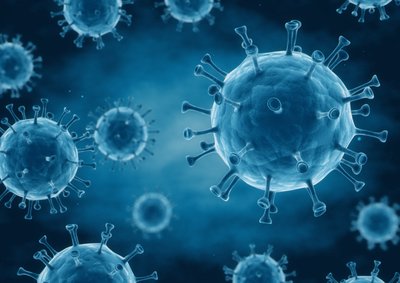
Microbiology is the branch of biology that studies microorganisms—organisms too small to be seen with the naked eye. This includes bacteria, fungi, protozoa, and viruses. Microbiology is essential for understanding infectious diseases, environmental processes, and biotechnology.
Microorganisms: Life forms invisible to the naked eye, requiring a microscope for observation.
Examples: Bacteria, Fungi, Protozoa, Viruses.
Microbial Abundance and Diversity
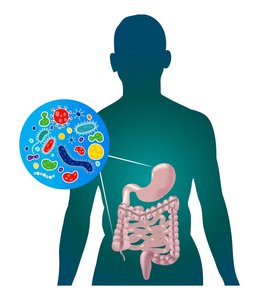
The human gut contains approximately 100 trillion bacteria, outnumbering human cells (about 10 trillion).
Microbes play crucial roles in health, disease, and the environment.
Cellular Organization and Size
Prokaryotic vs. Eukaryotic Cells
Microorganisms can be classified based on cell structure:
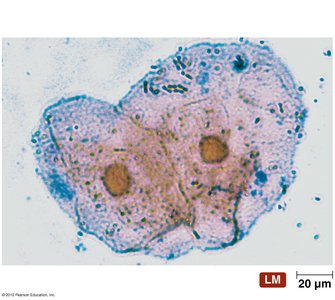
Prokaryotic cells (e.g., bacteria): Lack a nucleus, generally smaller.
Eukaryotic cells (e.g., human cheek cells): Have a nucleus, larger in size.
Viruses
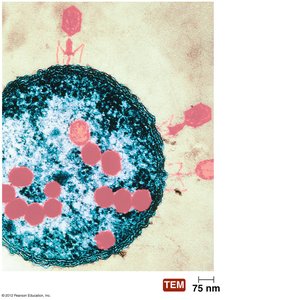
Viruses are acellular entities, much smaller than prokaryotic cells, and require host cells to replicate.
Historical Foundations of Microbiology
Theory of Spontaneous Generation
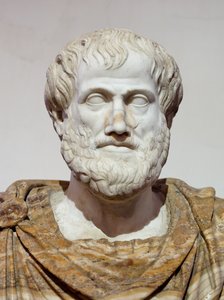
Historically, it was believed that life could arise spontaneously from non-living matter (spontaneous generation), a view held since Aristotle's time.
This theory was challenged and eventually disproven through scientific experimentation.
Francesco Redi's Experiment
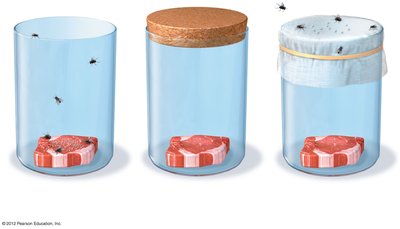
Redi was the first scientist to challenge spontaneous generation. He demonstrated that maggots on decaying meat only appeared when flies could access the meat, suggesting life comes from pre-existing life.
Development of the Microscope
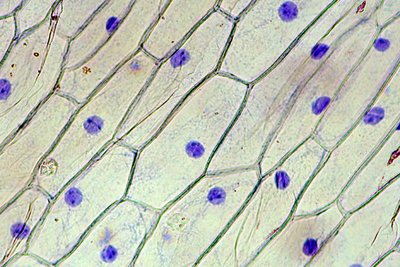
Robert Hooke: Coined the term "cell" after observing plant cells with a microscope.
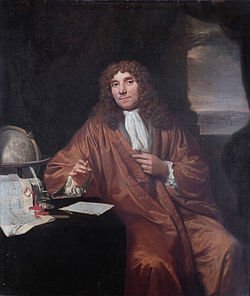
Antonie van Leeuwenhoek: Improved lens making, observed bacteria and other microorganisms, and is known as the "Father of Microbiology." He described microbes as "animalcules."
Further Experiments on Spontaneous Generation
John Needham: Claimed that boiled broths still produced microbes, supporting spontaneous generation.
Lazzaro Spallanzani: Showed that sealed, boiled broths did not produce microbes unless exposed to air, suggesting contamination from the environment.
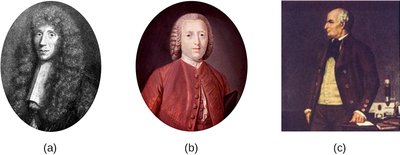
Louis Pasteur and the Swan-Neck Flask Experiment
Pasteur definitively disproved spontaneous generation by showing that broth in swan-necked flasks remained sterile unless exposed to airborne microbes.
The Scientific Method in Microbiology
Steps of the Scientific Method
Observation
Question
Hypothesis
Experiment (with controls)
Analysis and Conclusion
Theory or Law (if repeatedly supported)
This method underpins all scientific inquiry in microbiology.
Koch’s Postulates and the Germ Theory of Disease
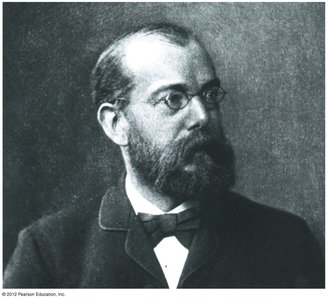
Robert Koch’s Contributions
Koch established a systematic method to link specific microbes to specific diseases, known as Koch’s Postulates:
The microorganism must be found in all cases of the disease.
It must be isolated and grown in pure culture.
The cultured microbe must cause disease when introduced into a healthy host.
The same microorganism must be re-isolated from the experimentally infected host.
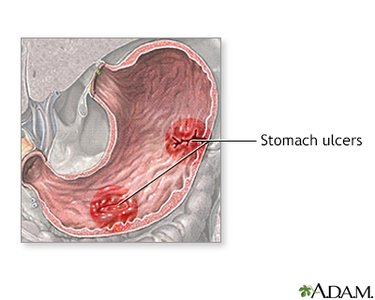
Application Example: Helicobacter pylori and Stomach Ulcers
Barry Marshall and Robin Warren used Koch’s postulates to demonstrate that Helicobacter pylori causes stomach ulcers, overturning the belief that ulcers were caused by stress or spicy food.
Prevention and Control of Infectious Diseases
Historical Advances
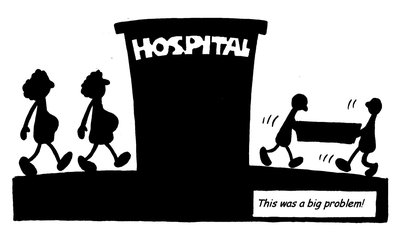
Ignaz Semmelweis: Introduced handwashing to reduce puerperal fever in maternity wards.
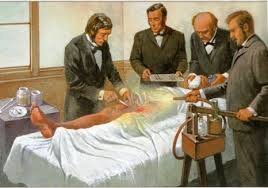
Joseph Lister: Pioneered antiseptic surgery using carbolic acid (phenol).
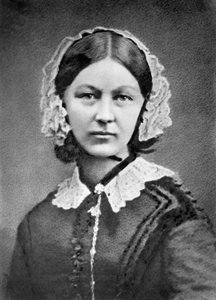
Florence Nightingale: Improved sanitation and nursing practices, reducing mortality rates.
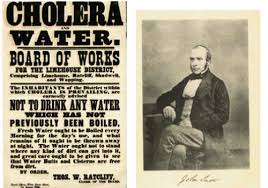
John Snow: Mapped cholera outbreaks, founding the field of epidemiology.
Edward Jenner: Developed the first vaccine (against smallpox) using cowpox virus.
Discovery of Antibiotics
Alexander Fleming discovered penicillin, the first broadly effective antibiotic, by observing that mold inhibited bacterial growth on a culture plate.
Basic Chemistry for Microbiology
Atoms, Elements, and Bonds
Atom: Smallest unit of an element, composed of protons, neutrons, and electrons.
Element: Substance made of one type of atom; key elements in biology include C, H, N, O.
Covalent bonds: Atoms share electrons (can be polar or non-polar).
Ionic bonds: Electrons are transferred from one atom to another.
Hydrogen bonds: Weak attractions between hydrogen and electronegative atoms (O, N, F).
Organic vs. Inorganic Compounds
Organic compounds: Contain carbon-hydrogen bonds (e.g., DNA, proteins, sugars).
Inorganic compounds: Do not contain C-H bonds (e.g., NaCl, CO2).
Macromolecules of Life
Lipids: Hydrophobic, energy storage, membrane structure (e.g., fats, phospholipids, steroids).
Carbohydrates: Energy storage, cell wall structure (e.g., glucose, starch, cellulose).
Proteins: Made of amino acids, serve structural, enzymatic, and regulatory roles.
Nucleic acids: DNA and RNA, store and transmit genetic information.
Principles of Microscopy
Magnification, Resolution, and Contrast
Magnification: Apparent increase in size of an object (e.g., 100X means 100 times larger).
Resolution: Ability to distinguish two close objects as separate entities.
Contrast: Difference in intensity between an object and its background.
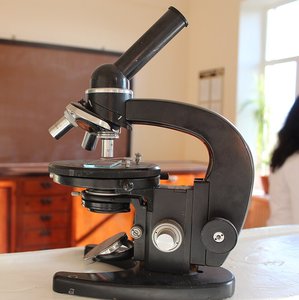
Types of Light Microscopes
Simple microscope: Single lens (like a magnifying glass).
Compound microscope: Series of lenses; total magnification is the product of all lens magnifications.
Summary
Microbiology explores the unseen world of microorganisms, their roles in health, disease, and the environment.
Key historical experiments and figures laid the foundation for modern microbiology and medical advances.
Understanding basic chemistry and microscopy is essential for studying microorganisms.
