 Back
BackFunctional Anatomy of Prokaryotic and Eukaryotic Cells: Plasma Membrane and Transport
Study Guide - Smart Notes
 Tailored notes based on your materials, expanded with key definitions, examples, and context.
Cell Membrane & Transport
Structure of the Plasma Membrane
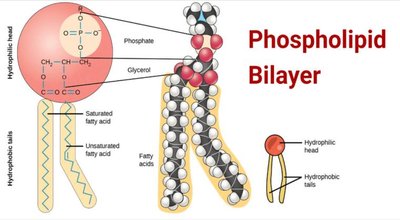
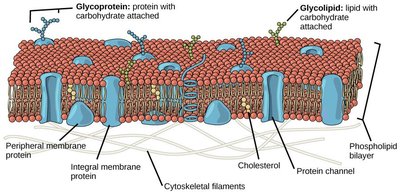
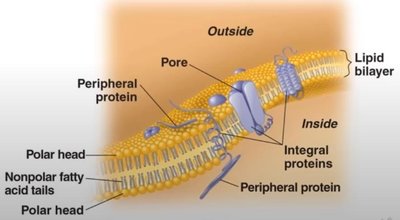
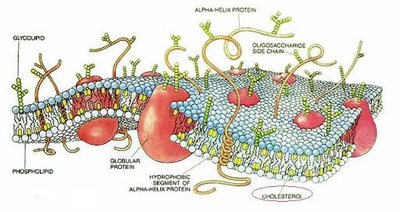
The plasma membrane is a fundamental structure in both prokaryotic and eukaryotic cells, serving as a selective barrier that regulates the movement of substances into and out of the cell. It is primarily composed of a phospholipid bilayer with embedded proteins, carbohydrates, and, in eukaryotes, sterols such as cholesterol.
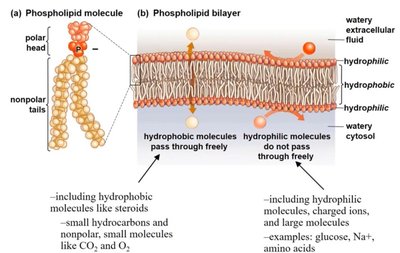
Phospholipid Bilayer: Amphipathic molecules with hydrophilic heads facing outward and hydrophobic tails oriented inward, forming a double layer.
Proteins: Integral and peripheral proteins are involved in transport, signaling, and structural support.
Carbohydrates: Attached to proteins (glycoproteins) or lipids (glycolipids) for cell recognition and adhesion.
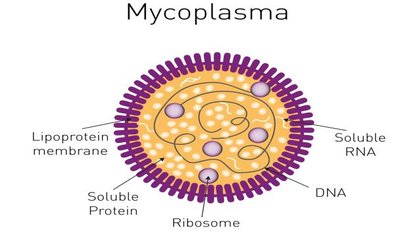
Sterols: Cholesterol in eukaryotes maintains membrane fluidity; absent in most prokaryotes except Mycoplasma.
Comparison of Prokaryotic and Eukaryotic Membranes
While both cell types share the basic phospholipid bilayer structure, there are key differences:
Sterols: Present in eukaryotes (cholesterol), absent in most prokaryotes except Mycoplasma.
Carbohydrates: More prominent in eukaryotic membranes for cell recognition.
Fluidity: Maintained by hydrophobic interactions, not covalent bonds, allowing proteins and lipids to move laterally.
Functions of Membrane Proteins
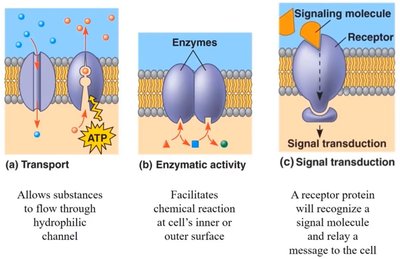
Membrane proteins perform a variety of essential functions:
Transport: Channel and carrier proteins facilitate movement of substances across the membrane.
Enzymatic Activity: Enzymes embedded in the membrane catalyze biochemical reactions.
Signal Transduction: Receptor proteins bind signaling molecules (ligands) and initiate cellular responses.
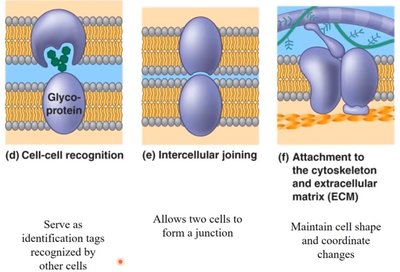
Cell-Cell Recognition: Glycoproteins serve as identification tags for immune recognition.
Intercellular Joining: Proteins form junctions between adjacent cells.
Attachment: Proteins anchor the membrane to the cytoskeleton and extracellular matrix, maintaining cell shape.
Traffic Across the Membrane
The plasma membrane controls the movement of ions, nutrients, and waste products. This is essential for cellular respiration, nerve signaling, and maintaining homeostasis.
Selective Permeability: Hydrophobic molecules (e.g., O2, CO2, steroids) pass freely; hydrophilic molecules (e.g., ions, glucose) require transport proteins.
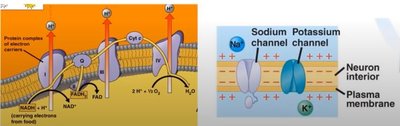
Site of ATP Synthesis in Prokaryotes: Since prokaryotes lack mitochondria, their plasma membrane is the site of cellular respiration and ATP production.
Diffusion and Osmosis
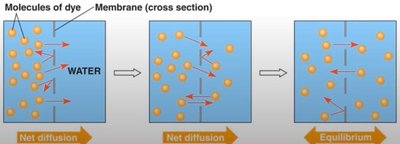
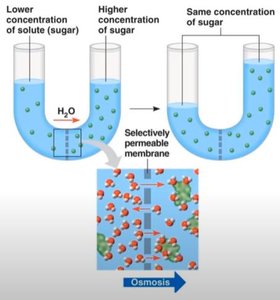
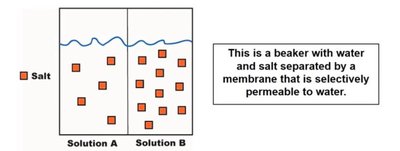
Diffusion is the passive movement of molecules from high to low concentration. Osmosis is the diffusion of water across a selectively permeable membrane.
Diffusion: Driven by concentration gradients; continues until equilibrium is reached.
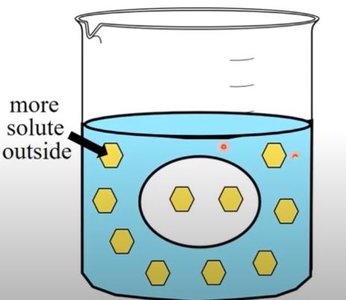
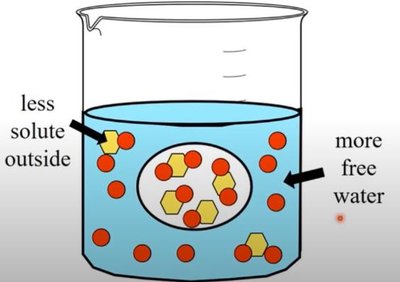
Osmosis: Water moves toward higher solute concentration to balance solute levels across the membrane.
Tonicity and Its Effects on Cells
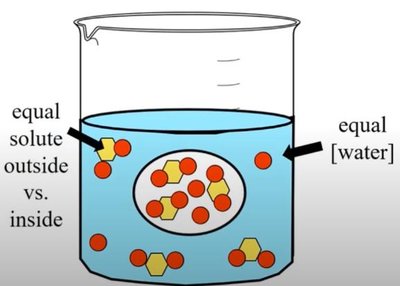
Tonicity describes the ability of a solution to cause a cell to gain or lose water. It is always a comparative term between two solutions separated by a membrane.
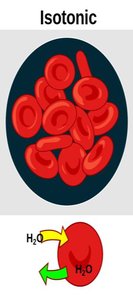
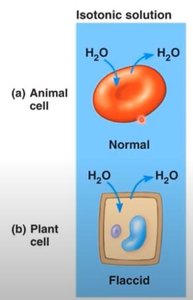
Isotonic: Equal solute and water concentration; no net water movement. Best for animal cells; plant cells become flaccid.
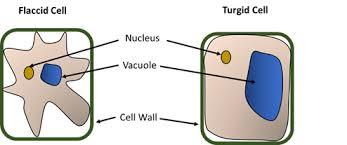
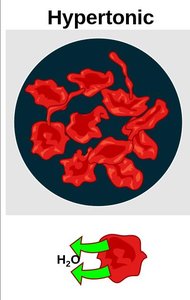
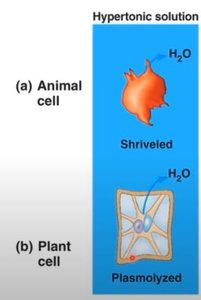
Hypertonic: Higher solute concentration outside; water leaves the cell, causing animal cells to shrivel and plant cells to undergo plasmolysis.
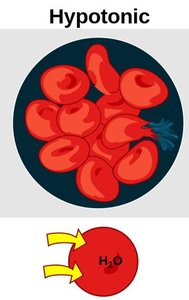
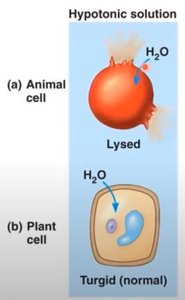
Hypotonic: Lower solute concentration outside; water enters the cell, causing animal cells to lyse and plant cells to become turgid (optimal for plants).
Passive and Active Transport
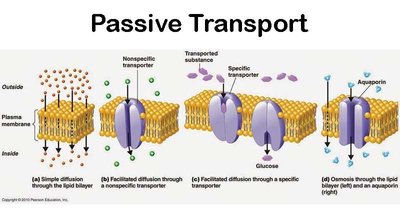
Transport across the membrane can be passive (no energy required) or active (requires energy, usually ATP).
Passive Transport: Includes simple diffusion (small, nonpolar molecules), facilitated diffusion (via channel or carrier proteins), and osmosis (water movement).
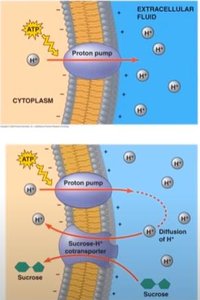
Active Transport: Moves substances against their concentration gradient using energy. Includes ion pumps (e.g., Na+/K+ pump) and co-transporters (e.g., sucrose-H+ cotransport in plants).
Bulk Transport: Exocytosis and Endocytosis
Large molecules and particles are transported across the membrane via vesicular transport mechanisms.
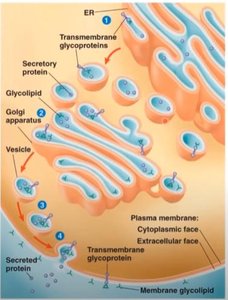
Exocytosis: Vesicles fuse with the plasma membrane to release contents outside the cell (e.g., secretion of hormones, neurotransmitters).
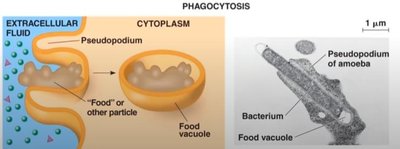
Endocytosis: The cell engulfs external material by forming vesicles. Includes phagocytosis ("cell eating"), pinocytosis ("cell drinking"), and receptor-mediated endocytosis (specific uptake of molecules).
Prokaryotic vs. Eukaryotic Cell Structures
Key Differences
Prokaryotes: Lack membrane-bound organelles; plasma membrane is the site of ATP synthesis.
Eukaryotes: Have membrane-bound organelles (nucleus, mitochondria, ER, Golgi apparatus, etc.).
Cell Wall: Present in most prokaryotes (peptidoglycan) and in plants, algae, fungi (cellulose or chitin), but absent in animal cells.
Summary Table: Prokaryotic vs. Eukaryotic Plasma Membranes
Feature | Prokaryotes | Eukaryotes |
|---|---|---|
Phospholipid Bilayer | Yes | Yes |
Sterols (e.g., cholesterol) | No (except Mycoplasma) | Yes |
Carbohydrates | Rare | Common (cell recognition) |
Site of ATP Synthesis | Plasma membrane | Mitochondria |
Example: Mycoplasma is a unique prokaryote that lacks a cell wall but contains sterols in its membrane, similar to eukaryotes.
