 Back
BackFundamental Units of Life: Cell Biology and Microbial Diversity
Study Guide - Smart Notes
 Tailored notes based on your materials, expanded with key definitions, examples, and context.
Chapter 1: The Fundamental Units of Life
Introduction to Cell Biology
Cell biology is the study of cells, the basic structural and functional units of all living organisms. Understanding cells is essential for comprehending the mechanisms of life, including microbial diversity, cellular function, and evolution. This chapter provides foundational knowledge relevant to microbiology, including cell theory, cell types, and evolutionary relationships.
History of Cell Biology
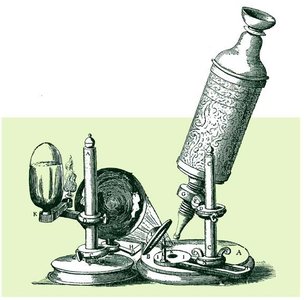
The development of cell biology has been closely tied to advances in microscopy and molecular biology. Early pioneers such as Robert Hooke and Anton van Leeuwenhoek made significant contributions to the field.
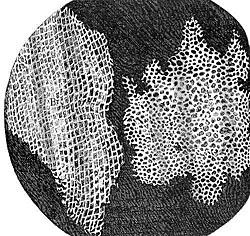
Robert Hooke (1665): Used a simple microscope to examine cork, describing it as composed of "cells."
Anton van Leeuwenhoek (1674): Refined lenses for light microscopes and examined pond water, earning the title "Father of Microbiology."
The Cell Theory
The cell theory is a cornerstone of biology, describing the properties and origins of cells.
Tenet 1: All organisms are composed of one or more cells.
Tenet 2: The cell is the smallest unit of life.
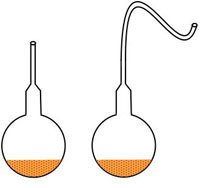
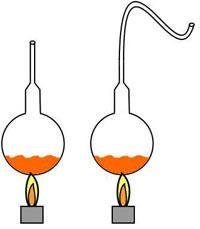
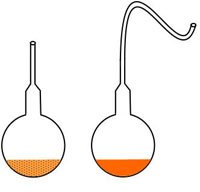
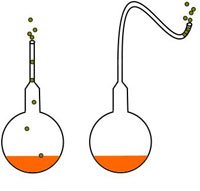
Tenet 3: Cells can only arise by division from pre-existing cells (Virchow, Pasteur).
The Pasteur experiment demonstrated that cells do not spontaneously arise, but originate from existing cells.
Features Common to All Cells
Despite their diversity, all cells share several fundamental features:
DNA: Genetic material for reproduction and cellular function.
Plasma Membrane: Selective barrier controlling entry and exit of substances.
Cytoplasm: Internal matrix containing organelles and molecules.
Ribosomes: Sites of protein synthesis.
Complex Organization: Highly ordered structures and processes.
Responsiveness: Ability to respond to stimuli and adapt.
Small Size: Most cells are microscopic.
The Central Dogma of Molecular Biology
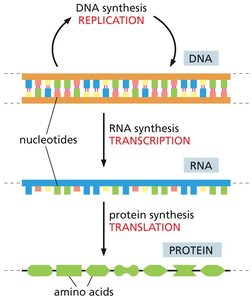
The central dogma describes the flow of genetic information within a cell:
DNA Replication: DNA is copied to produce identical genetic material.
Transcription: DNA is transcribed into RNA.
Translation: RNA is translated into protein.
Key terms: Genome (total DNA), Transcriptome (total RNA), Proteome (total proteins).
Unity and Diversity of Life
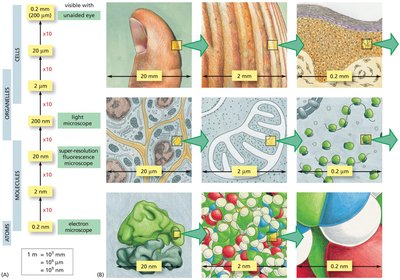
Biologists seek to understand both the diversity of organisms and the common features they share. The metric scale is used to compare the size of biological structures, from cells to molecules.
Metric Scale: Cells range from micrometers (μm) to nanometers (nm).
Microscopy: Light and electron microscopes are used to visualize cells and their components.
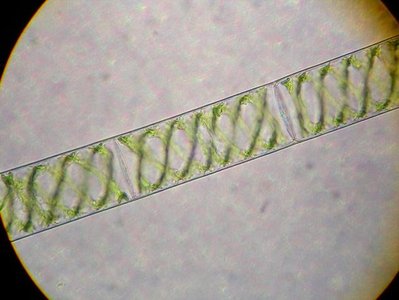
Types of Cells: Prokaryotic vs. Eukaryotic
Cells are classified into two major types based on structural and functional differences:
Prokaryotic Cells: Simple structure, no nucleus, includes Bacteria and Archaea.
Eukaryotic Cells: Complex structure, nucleus and membrane-bound organelles, includes Animals, Plants, Fungi, and Protists.
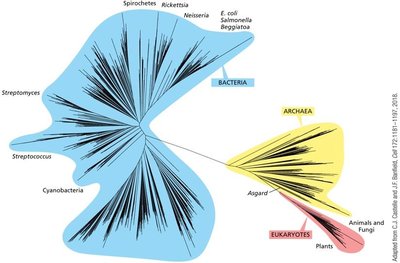
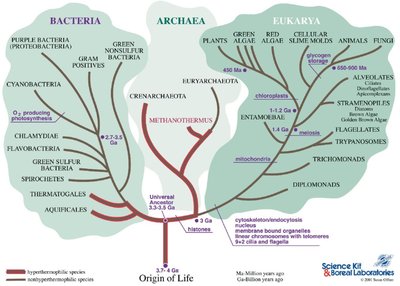
Biologists divide prokaryotes into two evolutionary groups: Bacteria and Archaea, based on genetic and biochemical differences.
Comparison of Prokaryotic and Eukaryotic Cells
The following table summarizes key differences between prokaryotic and eukaryotic cells:
Characteristic | Prokaryotic | Eukaryotic |
|---|---|---|
Size of cell | Typically 0.2–2.0 μm | Typically 10–100 μm |
Nucleus | Absent | Present |
Membrane-enclosed organelles | Absent | Present |
Cell wall | Present (peptidoglycan or other) | Sometimes present (cellulose, chitin) |
Ribosomes | Smaller (70S) | Larger (80S) |
Chromosome | Single, circular | Multiple, linear |
Cell division | Binary fission | Mitosis |
Evolutionary Lineages and Domains
Life is divided into three domains based on evolutionary relationships:
Bacteria: Well-studied, diverse, includes many pathogens.
Archaea: Often extremophiles, less studied, unique biochemistry.
Eukarya: Includes multicellular organisms and model organisms.
Eukaryotic Cells and Organelles
Eukaryotic cells contain membrane-enclosed organelles that perform specialized functions:
Nucleus: Contains genetic material and controls cellular activities.
Mitochondria: Site of aerobic respiration and energy production.
Chloroplasts: Site of photosynthesis in plants and algae.
Other organelles: Endoplasmic reticulum, Golgi apparatus, lysosomes, peroxisomes.
The Endosymbiotic Theory
The endosymbiotic theory explains the origin of mitochondria and chloroplasts in eukaryotic cells:
A large ancestral pro-eukaryotic cell engulfed a smaller aerobic prokaryote, which became the mitochondrion.
Engulfment of a photosynthetic cyanobacterium led to the evolution of chloroplasts in plants and algae.
Evidence includes similarities in DNA, ribosomes, and double membranes.
Model Organisms in Cell Biology
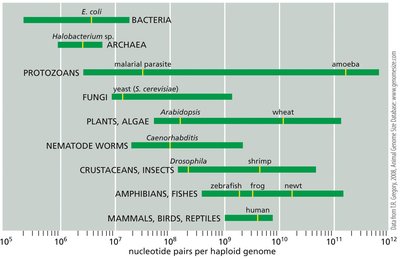
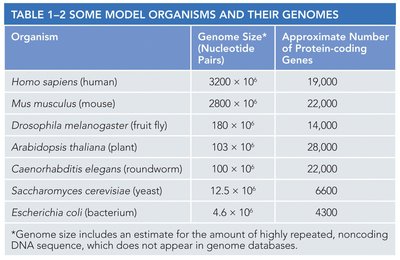
Model organisms are used to study fundamental biological processes. Their genomes vary in size and complexity.
Organism | Genome Size (Nucleotide Pairs) | Approximate Number of Protein-coding Genes |
|---|---|---|
Homo sapiens (human) | 3200 x 106 | 19,000 |
Mus musculus (mouse) | 2800 x 106 | 22,000 |
Drosophila melanogaster (fruit fly) | 180 x 106 | 14,000 |
Arabidopsis thaliana (plant) | 103 x 106 | 28,000 |
Caenorhabditis elegans (roundworm) | 100 x 106 | 22,000 |
Saccharomyces cerevisiae (yeast) | 12.5 x 10⁶ | 6600 |
Escherichia coli (bacterium) | 4.6 x 10⁶ | 4300 |
Summary
Cell biology provides the foundation for understanding microbial diversity, cellular structure, and evolutionary relationships. The cell theory, classification of cell types, and the endosymbiotic theory are central concepts for microbiology students. Model organisms and advances in microscopy continue to drive discoveries in cell and molecular biology.
