 Back
Fundamentals of Microbial Growth and Decontamination: Study Guide
Study Guide - Smart Notes
 Tailored notes based on your materials, expanded with key definitions, examples, and context.
Fundamentals of Microbial Growth
Microbial Growth and Biofilms
Microbial growth refers to the increase in cell number through cell division, resulting in new daughter cells and a larger population. While laboratory studies often use pure cultures, microbes in nature form complex communities, including biofilms, which are collaborative structures that enhance survival and contribute to persistent infections, especially in healthcare settings.
Biofilm Formation: Begins when planktonic bacteria adhere to surfaces, such as indwelling medical devices.
Example: Escherichia coli changes morphology during urinary tract infections.
Bacterial Cell Division: Binary Fission, Budding, and Spore Formation
Most bacteria divide by binary fission, an asexual process producing two genetically identical daughter cells. Some bacteria and fungi use budding or spore formation.
Binary Fission: Chromosome replication, septum formation, and cell separation.
Budding: Cell elongates, forms a bud, and separates after chromosome duplication.
Spore Formation: Some bacteria (e.g., Streptomyces) and fungi form spores for survival.
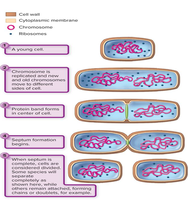
Generation Time and Exponential Growth
Generation time is the period required for a cell to divide. It varies by species and environmental conditions, ranging from 15 minutes to 24 hours. Bacterial populations exhibit exponential growth during binary fission.
Formula:
Example: E. coli generation time is 20 minutes.
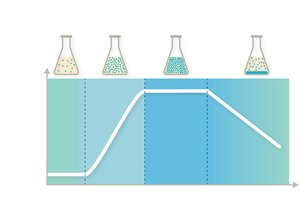
Bacterial Growth Phases in Batch Culture
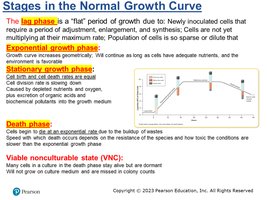
Bacteria grown in closed systems undergo four distinct growth phases: lag, log, stationary, and death.
Lag Phase: Cells adjust to new environment.
Log Phase: Rapid, exponential cell division.
Stationary Phase: Nutrient depletion and waste accumulation; growth rate levels off.
Death Phase: Exponential cell death as conditions deteriorate.
Chemostat: Continuous Culture
Industrial microbiology often uses chemostats to maintain cells at a specific growth phase by continuously adding fresh medium and removing waste.
Environmental Factors Affecting Microbial Growth
Temperature
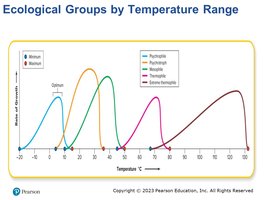
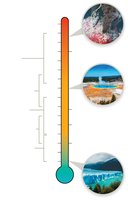
Temperature influences enzymatic reactions and microbial growth rates. Microbes are classified by their optimal temperature ranges:
Psychrophiles: –20–10°C
Psychrotrophs: 0–30°C
Mesophiles: 10–50°C (most pathogens)
Thermophiles: 40–75°C
Extreme Thermophiles: 65–120°C
pH
Microbes have minimum, optimum, and maximum pH ranges for growth.
Acidophiles: pH 1–5
Neutralophiles: pH 5–8 (majority of microorganisms)
Alkaliphiles: pH 9–11
Salinity
Halophiles: Thrive in high-salt environments (up to 35%)
Facultative Halophiles: Tolerate higher salt but may not grow well
Oxygen Requirements
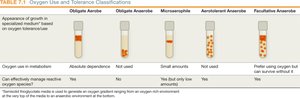
Microbes are classified by their oxygen use and tolerance. Oxygen can generate reactive oxygen species (ROS), which are detoxified by enzymes such as superoxide dismutase and catalase.
Type | Oxygen Use | Growth Pattern |
|---|---|---|
Obligate Aerobe | Absolute dependence | Top of tube |
Obligate Anaerobe | Not used | Bottom of tube |
Microaerophile | Small amounts | Just below surface |
Aerotolerant Anaerobe | Not used | Evenly throughout |
Facultative Anaerobe | Can use or not use | Throughout, more at top |
Carbon Dioxide Requirements
Capnophiles: Grow best at higher CO2 tension than atmospheric levels.
Microbial Nutrition and Energy
Essential Nutrients
Cells require macronutrients (e.g., carbon, hydrogen, nitrogen) and micronutrients (e.g., iron, copper, zinc).
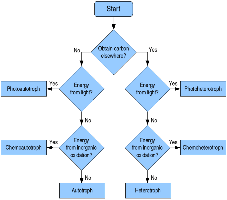
Heterotrophs: Require external organic carbon sources.
Autotrophs: Use carbon fixation to convert inorganic carbon into organic forms.
Energy Sources
Phototrophs: Use light energy.
Chemotrophs: Break down chemical compounds for energy.
Growth Factors
Some microbes require specific organic precursors (amino acids, vitamins, nitrogenous bases) from their environment. Organisms needing multiple growth factors are termed fastidious.
Microbial Culture and Enumeration
Culture Media Formats
Media are classified by physical state (liquid, solid, semisolid), chemical composition (defined or complex), and function (selective or differential).
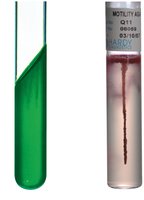
Broth Media: For large batch growth.
Solid Media: For colony isolation and observation.
Semisolid Media: For motility testing.
Selective and Differential Media
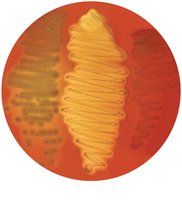
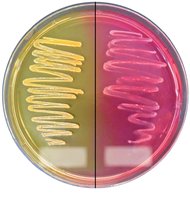
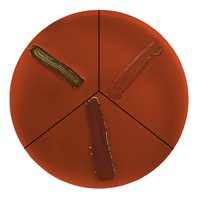
Selective Media: Foster growth of specific bacteria, suppress others (e.g., Mannitol Salt Agar, Eosin Methylene Blue Agar).
Differential Media: Visually distinguish microbes (e.g., blood agar for hemolysis types).
Streak Plate Technique
Used to isolate pure cultures by spreading cells thinly on agar plates. 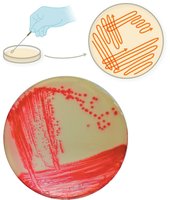
Methods for Counting Microbes
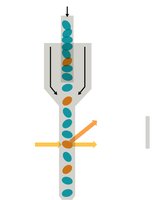
Direct Methods: Manual cell counts, automated cell counts (Coulter counter, flow cytometer), viable plate counts.
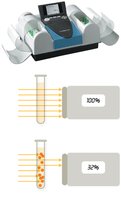
Indirect Methods: Turbidity measurement (spectrophotometry), dry weight, metabolic activity.
Microbial Decontamination and Control
Decontamination, Sterilization, and Disinfection
Decontamination: Reduces microbial populations to safe levels.
Sterilization: Eliminates all microbes, including endospores.
Disinfection: Reduces microbial numbers; not necessarily endospores.
Physical Methods
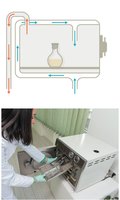
Temperature: Refrigeration, freezing, heat (autoclaving, boiling, pasteurization, dry heat).
Radiation: Ionizing (gamma rays, X-rays) and nonionizing (UV light).
Filtration: HEPA filters for air, membrane filters for liquids.
Chemical Methods: Germicides
Germicides are classified as microbiocidal (kill microbes) or microbiostatic (inhibit growth).
Disinfectants: Used on inanimate objects.
Antiseptics: Used on living tissue.
Alcohols: Denature proteins, attack lipid membranes.
Aldehydes: React with proteins and nucleic acids.
Phenols: Destroy cell walls, interact with proteins.
Halogens: Oxidize cell components.
Peroxygens: Strong oxidizers.
Ethylene Oxide: Sterilant for temperature-sensitive materials.
Detergents: Amphipathic molecules, disrupt membranes.
Microbial Resistance to Control Agents
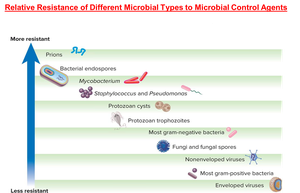
Microbial types vary in resistance to control agents.
Prions: Most resistant
Bacterial Endospores: Highly resistant
Enveloped Viruses: Least resistant
Definitions and Classifications
Cidal: Kills microorganisms and viruses.
Static: Inhibits growth.
Bactericide: Kills bacteria (except endospores).
Fungicide: Kills fungi.
Virucide: Inactivates viruses.
Sporicide: Destroys endospores.
Bacteristatic: Inhibits bacterial growth.
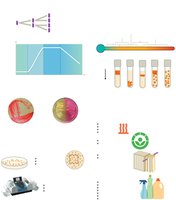
Visual Summary
Additional info:
Some content was expanded for clarity and completeness, including definitions and examples of microbial control agents and growth phases.
Tables were recreated for oxygen requirements and microbial resistance.
