 Back
BackFundamentals of Microbial Growth: Study Notes
Study Guide - Smart Notes
 Tailored notes based on your materials, expanded with key definitions, examples, and context.
Fundamentals of Microbial Growth
Microbial Growth Basics
Microbial growth refers to the increase in the number of cells in a population, primarily through cell division. This process is central to understanding how microorganisms colonize environments and cause disease.
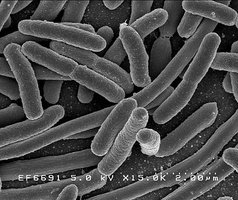
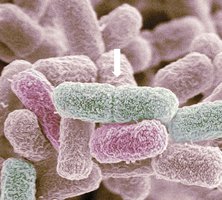
Cell Division: Most prokaryotes divide by binary fission, an asexual process where a single cell splits into two identical daughter cells.
Budding: Some microbes, such as certain fungi and bacteria (e.g., Hyphomicrobium), reproduce by budding, where a new cell forms as an outgrowth of the parent.
Spore Formation: Some bacteria and fungi form spores, which can be asexual (in bacteria) or sexual/asexual (in fungi). Bacterial endospores are highly resistant, dormant structures.
Natural vs. Laboratory Growth: Only about 1% of bacterial species can be cultured in the lab. In nature, microbes often exist in mixed communities and interact with other organisms.
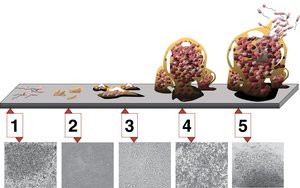
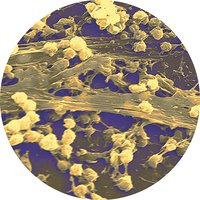
Biofilms: Microbes can form biofilms—structured communities attached to surfaces, which are highly resistant to treatment and common in healthcare settings.

Generation Time
Generation time is the period required for a microbial cell to divide and produce two daughter cells. This parameter is crucial for understanding microbial population dynamics.
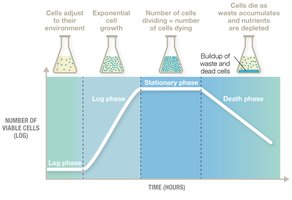
Exponential Growth: Bacteria typically grow exponentially under optimal conditions.
Variation: Generation times vary by species and environment, ranging from minutes (e.g., E. coli: 20 min) to hours (e.g., Mycobacterium tuberculosis: 15–20 h).
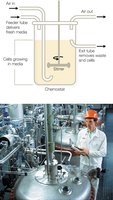
Chemostat: A device that maintains continuous microbial growth by adding fresh medium and removing waste.

Environmental Conditions Affecting Growth
Microbial growth is influenced by environmental factors such as temperature, pH, salinity, and oxygen availability.
Temperature
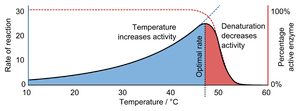
Minimum, Optimum, Maximum: Each microbe has a specific temperature range for growth.
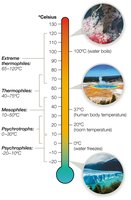
Classification:
Psychrophiles: −20°C to 10°C
Psychrotrophs: 0–30°C (foodborne pathogens)
Mesophiles: 10–50°C (most pathogens)
Thermophiles: 40–75°C
Extreme thermophiles: 65–120°C
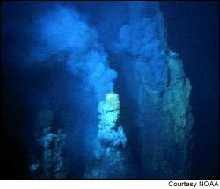
Barophiles: Thrive under high pressure (e.g., deep sea).
pH
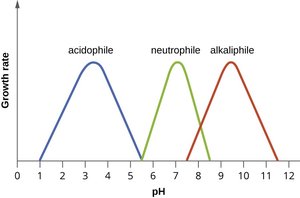
Acidophiles: Grow at pH < 5 (e.g., sulfur springs).
Neutralophiles: pH 5–8 (most microbes).
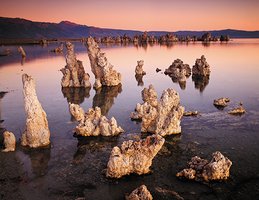
Alkaliphiles: pH 9–11 (e.g., soda lakes).
Salinity
Halophiles: Thrive in high-salt environments (up to 35%).
Facultative halophiles: Tolerate higher salt but may not grow optimally (e.g., Staphylococcus aureus).
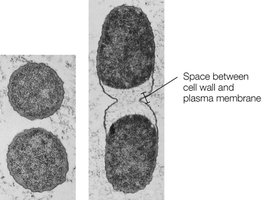
Cells must manage osmotic stress by accumulating compatible solutes.
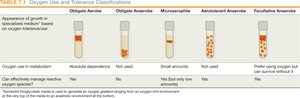
Oxygen Requirements
Obligate aerobes: Require oxygen for growth.
Microaerophiles: Require low levels of oxygen.
Facultative anaerobes: Can grow with or without oxygen.
Aerotolerant anaerobes: Tolerate oxygen but do not use it.
Obligate anaerobes: Cannot survive in the presence of oxygen.
Enzymes such as superoxide dismutase and catalase detoxify reactive oxygen species (ROS).
Nutrients, Growth Factors, and Energy
Microbes require various nutrients and energy sources to grow and reproduce.
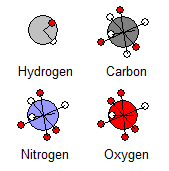
Macronutrients: Carbon, hydrogen, oxygen, nitrogen (90% of cell dry weight).
Micronutrients: Trace elements like iron, copper, zinc.
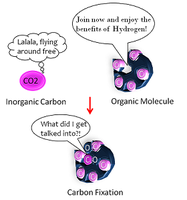
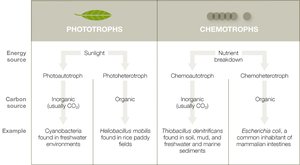
Heterotrophs: Obtain organic carbon from the environment.
Autotrophs: Fix CO2 to make organic carbon.
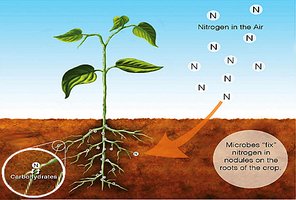
Nitrogen Fixation: Some microbes convert atmospheric nitrogen into usable forms.
Growth Factors: Essential organic molecules that some microbes cannot synthesize (e.g., vitamins, amino acids).
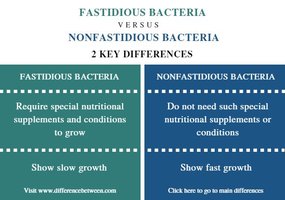
Fastidious Organisms: Require multiple growth factors and special media.
Energy Sources: Phototrophs use light; chemotrophs use chemical compounds.
Types of Media
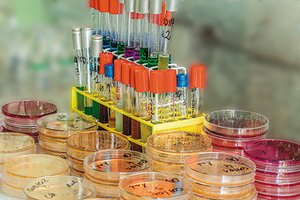
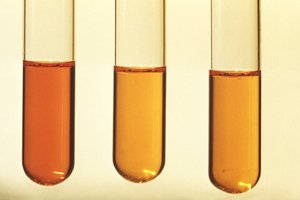
Culture media are used to grow, isolate, and identify microbes in the laboratory. Media can be classified by physical state, chemical composition, and function.
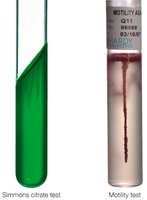
Physical State: Liquid (broth), solid (agar plates), semisolid (motility testing).
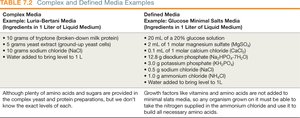
Chemical Composition: Defined (precisely known) or complex (not fully defined).
Function: Selective, differential, or enriched media.
Type of Media | Description | Example |
|---|---|---|
Defined | Exact chemical composition known | Glucose minimal salts |
Complex | Contains extracts, composition not fully known | Luria-Bertani (LB) broth |
Differential Media: Distinguish microbes by visual changes (e.g., blood agar for hemolysis).
Selective Media: Foster growth of specific microbes while inhibiting others (e.g., MSA, EMB).
Anaerobic Media: Specialized for growing anaerobes by removing oxygen.
Collecting, Isolating, and Counting Microbes
Proper techniques are essential for obtaining, isolating, and quantifying microbes in clinical and research settings.
Aseptic Technique: Prevents contamination during sample collection and handling.
Isolation: Streak plate method is commonly used to separate individual colonies.
Identification: Involves physical (microscopy), biochemical (metabolic tests), and genetic (PCR, DNA fingerprinting) analyses.
Enumeration: Microbial counts are important for quality control and clinical diagnostics.
Counting Methods
Direct Methods: Manual cell counting (hemocytometer), Coulter counter, flow cytometry, viable plate count (CFU calculation).
Indirect Methods: Turbidity (spectrophotometry), dry weight, metabolic activity.
Controlling Microbial Growth
Microbial control is vital in healthcare, food safety, and laboratory settings. Methods include physical and chemical approaches.
Sterilization: Destroys all microbes, including endospores (e.g., autoclaving).
Disinfection: Reduces microbial load on surfaces or equipment.
Decontamination: Renders objects safe for handling.
Physical Controls: Heat (autoclave, boiling, pasteurization, dry heat), radiation (ionizing and non-ionizing), filtration (HEPA, membrane filters).
Chemical Controls: Germicides (alcohols, phenols, aldehydes, halogens, peroxygens, ethylene oxide).
Classification of Germicides: Low, intermediate, and high-level agents based on their spectrum of activity.
Medical Equipment Tiers: Critical (sterile body sites), semicritical (mucous membranes), noncritical (intact skin).
Control Method | Purpose | Example |
|---|---|---|
Sterilization | Eliminate all microbes | Autoclave, ethylene oxide |
Disinfection | Reduce microbial numbers | Alcohol, phenol |
Decontamination | Safe for handling | Hand washing, cleaning |
Special Considerations: Mycobacterium (waxy cell wall), endospores (resistant), viruses (enveloped vs. naked), protozoa (life cycle stages), prions (highly resistant).
Summary Table: Oxygen Use and Tolerance
Type | Oxygen Use | Growth Pattern |
|---|---|---|
Obligate Aerobe | Yes | Top of tube |
Obligate Anaerobe | No | Bottom of tube |
Microaerophile | Low O2 | Just below surface |
Facultative Anaerobe | Yes/No | Throughout, more at top |
Aerotolerant Anaerobe | No, but tolerates | Evenly throughout |
Example: Staphylococcus aureus is a facultative halophile and facultative anaerobe, able to grow in high salt and with or without oxygen.
Additional info: For more detailed mechanisms of microbial metabolism, refer to chapters on microbial metabolism and genetics.
