 Back
Ch. 7 Genetics and Genetic Processes in Microbiology
Study Guide - Smart Notes
 Tailored notes based on your materials, expanded with key definitions, examples, and context.
Genetics: Fundamental Concepts
Key Terms and Definitions
Genetics is the study of inheritance and inheritable traits as expressed in an organism’s genetic material. The genome refers to the entire genetic complement of an organism, including its genes and nucleotide sequences. A gene is a specific nucleotide sequence that encodes for proteins or RNA molecules.
Genetics: Study of inheritance and inheritable traits.
Genome: All genetic material in an organism.
Gene: Sequence encoding proteins or RNA.
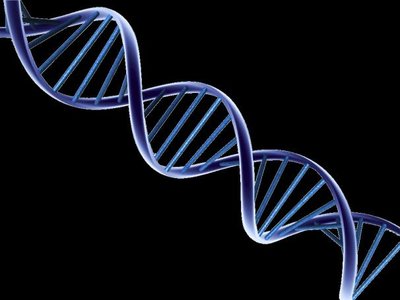
Structure of Nucleic Acids
DNA and RNA Composition
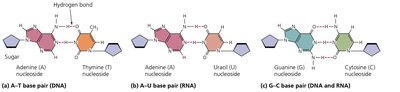
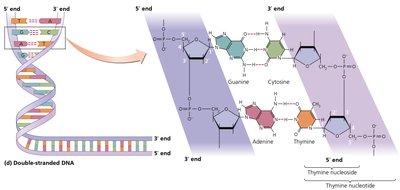
Nucleic acids are composed of nucleotides, each containing a sugar, phosphate group, and nitrogenous base. DNA consists of two antiparallel strands held together by hydrogen bonds between complementary bases: adenine (A) pairs with thymine (T), and guanine (G) pairs with cytosine (C). RNA uses uracil (U) instead of thymine.
Antiparallel Strands: 5’ end terminates at phosphate, 3’ end at hydroxyl group.
Complementary Base Pairing: A-T (DNA), A-U (RNA), G-C (DNA and RNA).
Prokaryotic Genomes
Chromosomes and Plasmids
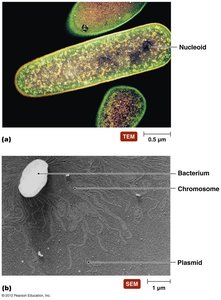
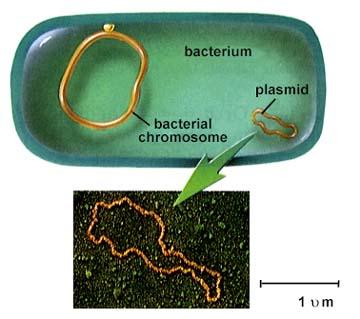
Prokaryotic cells are typically haploid, possessing a single circular chromosome located in the nucleoid. Chromosomal DNA is folded into loops and held by proteins and RNA. Many prokaryotes also contain plasmids—small, circular DNA molecules that replicate independently and can confer survival advantages such as antibiotic resistance.
Chromosome: Main DNA molecule, circular, haploid.
Plasmid: Small, circular DNA, not essential for basic functions but may provide advantages.
Types of Plasmids: Fertility, resistance, bacteriocin, virulence.
Eukaryotic Genomes
Nuclear and Extranuclear DNA
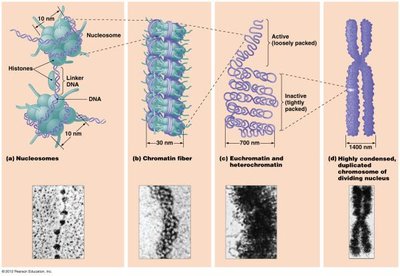
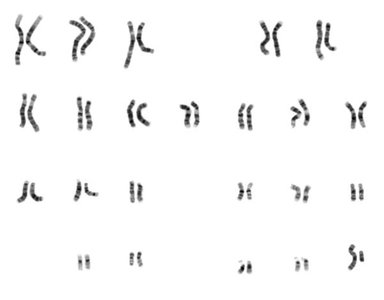
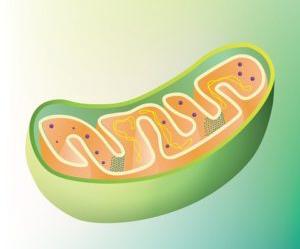
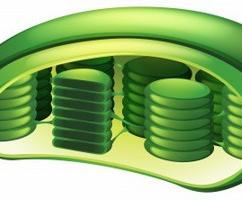
Eukaryotic cells are often diploid, with linear chromosomes sequestered within the nucleus. DNA wraps around histones to form nucleosomes and chromatin fibers. Extranuclear DNA is found in mitochondria and chloroplasts, resembling prokaryotic chromosomes.
Nuclear Chromosomes: Linear, multiple per cell, diploid.
Histones: Proteins around which DNA wraps.
Extranuclear DNA: Circular in mitochondria, linear in chloroplasts.
DNA Replication
Mechanism and Key Enzymes
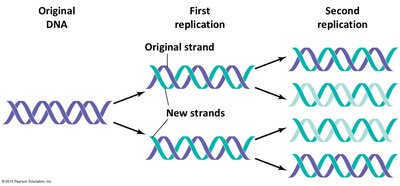
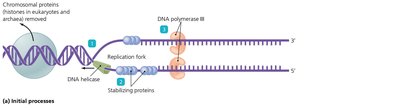
DNA replication is an anabolic polymerization process requiring monomers and energy. It is semiconservative, producing new DNA composed of one original and one daughter strand. Replication begins at the origin, proceeds bidirectionally, and involves several enzymes:
DNA Helicase: Unzips DNA, creating replication fork.
Stabilizing Proteins: Prevent strands from rejoining.
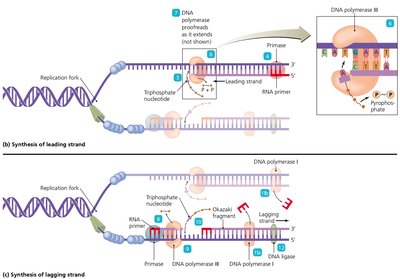
DNA Polymerase III: Synthesizes new DNA, proofreads.
Primase: Synthesizes RNA primers.
DNA Polymerase I: Replaces RNA primers with DNA.
DNA Ligase: Seals nicks between Okazaki fragments.
Leading strand is synthesized continuously, lagging strand discontinuously (Okazaki fragments).
Gene Function: Genotype and Phenotype
Relationship and Expression
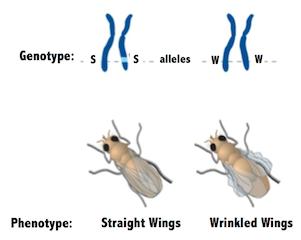
The genotype is the set of genes in the genome, while the phenotype refers to the physical features and functional traits of the organism. Genotype determines phenotype through gene expression.
Genotype: DNA instructions for life.
Phenotype: Observable traits, including structure and metabolism.
Central Dogma: Transcription and Translation
Transfer of Genetic Information
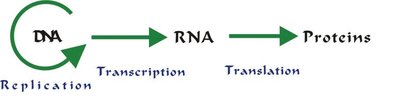
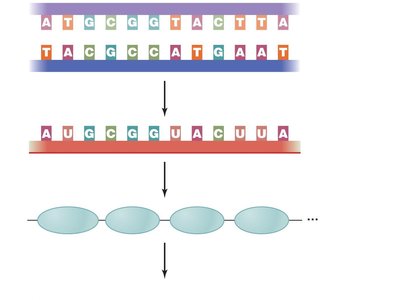
The central dogma of genetics describes the flow of genetic information: DNA is transcribed to RNA, which is then translated to form polypeptides (proteins).
Transcription: DNA copied as RNA.
Translation: Polypeptides synthesized from RNA.
Transcription: Events and Types of RNA
Steps and RNA Types
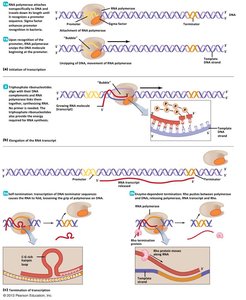
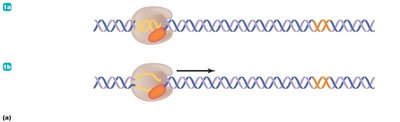
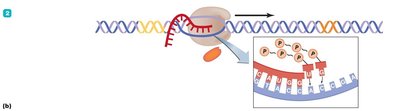
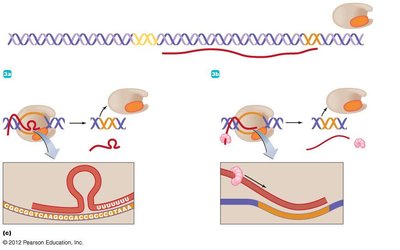
Transcription occurs in three steps: initiation, elongation, and termination. Six types of RNA are transcribed from DNA: RNA primers, messenger RNA (mRNA), ribosomal RNA (rRNA), transfer RNA (tRNA), regulatory RNA, and ribozymes.
Initiation: RNA polymerase binds to promoter, aided by sigma factor.
Elongation: RNA polymerase synthesizes RNA, no primer needed.
Termination: Self-termination or Rho-dependent termination.
Eukaryotic Transcription
Differences from Prokaryotes
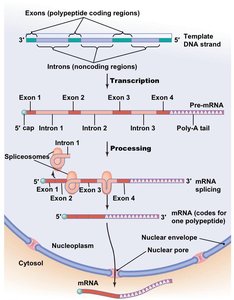
In eukaryotes, transcription occurs in the nucleus, mitochondria, and chloroplasts. There are three types of nuclear RNA polymerases and numerous transcription factors. mRNA is processed before translation through capping, polyadenylation, and splicing.
Capping: Modified guanine nucleotide added to 5’ end.
Splicing: Removal of introns, joining exons.
Polyadenylation: Addition of poly-A tail to 3’ end.
Translation: Genetic Code and Process
Codons and Participants
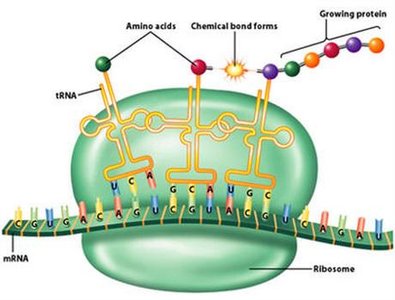
Translation is the process by which ribosomes use genetic information in mRNA to synthesize polypeptides. The genetic code consists of codons—triplets of mRNA nucleotides that code for specific amino acids. There are 61 codons for amino acids and 3 stop codons. AUG is the start codon and codes for methionine.
Participants: mRNA, tRNA, ribosomes, rRNA.
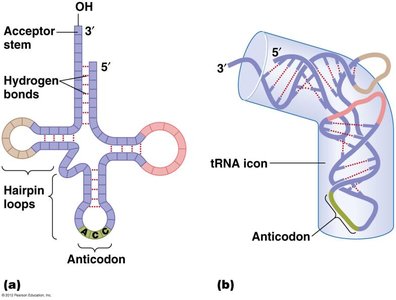
tRNA: Delivers amino acids, contains anticodon complementary to mRNA codon.
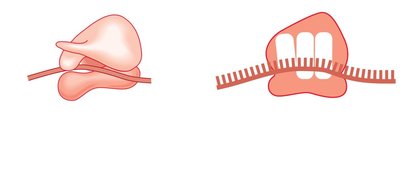
Ribosome: Has A, P, and E sites for tRNA binding and polypeptide synthesis.
Translation: Stages and Differences
Initiation, Elongation, Termination
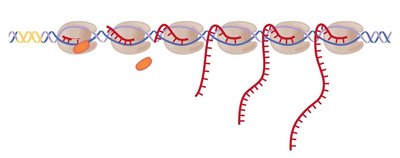
Translation occurs in three stages: initiation, elongation, and termination. Initiation and elongation require energy (GTP) and additional protein factors. In prokaryotes, translation can begin before transcription is finished.
Initiation: Formation of initiation complex (ribosomal subunits, mRNA, tRNA).
Elongation: Sequential addition of amino acids, peptide bond formation, ribosome movement.
Termination: Release factors recognize stop codons, ribosome dissociates, polypeptide released.
Regulation of Genetic Expression
Operons and Control Mechanisms
Gene expression is regulated to conserve energy. Operons are clusters of genes controlled by a promoter and operator. Inducible operons (e.g., lac operon) must be activated by inducers, while repressible operons (e.g., trp operon) are transcribed continually until deactivated by repressors.
Operon: Promoter, operator, series of genes.
Inducible Operon: Activated by inducers (e.g., lactose).
Repressible Operon: Deactivated by repressors (e.g., tryptophan).
Mutations and DNA Repair
Types, Effects, and Repair Mechanisms
Mutations are changes in the nucleotide base sequence of a genome. Types include point mutations (substitutions, frameshift), silent, missense, and nonsense mutations. Mutagens such as radiation and chemicals increase mutation rates. Cells have direct and single-strand repair mechanisms to fix damaged DNA.
Point Mutation: Affects one base pair.
Frameshift Mutation: Insertion or deletion shifts reading frame.
Direct Repair: Corrects errors in one strand.
Single-Strand Repair: Removes and replaces damaged section.
Genetic Recombination and Transfer
Vertical and Horizontal Gene Transfer
Genetic recombination involves the exchange of nucleotide sequences between homologous DNA molecules. Vertical gene transfer occurs from parent to offspring. Horizontal gene transfer involves the movement of genes between cells and includes transformation, transduction, and conjugation.
Transformation: Uptake of DNA from environment.
Transduction: Transfer of DNA via bacteriophage.
Conjugation: Direct transfer of DNA via pilus.
Antibiotic Resistance
Genetic Basis and Clinical Relevance
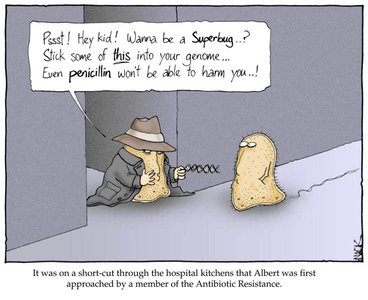
Antibiotic resistance is often conferred by genes carried on plasmids, such as resistance factors. These genes can be transferred between bacteria, leading to the emergence of 'superbugs' that are resistant to antibiotics like penicillin.
Resistance Factors: Genes for resistance to antimicrobial drugs.
Clinical Impact: Spread of resistance genes can compromise treatment efficacy.
Summary Table: Comparison of Genetic Processes
Process | Prokaryotes | Eukaryotes |
|---|---|---|
DNA Replication | Single origin, circular chromosome, methylation of adenine | Multiple origins, linear chromosomes, methylation of cytosine |
Transcription | Occurs in cytosol, no mRNA processing | Occurs in nucleus, mRNA processed (capping, polyadenylation, splicing) |
Translation | Can begin before transcription ends, fMet as first amino acid | Initiation at 5’ cap, Met as first amino acid |
