 Back
BackHost Defenses: Innate and Adaptive Immunity
Study Guide - Smart Notes
 Tailored notes based on your materials, expanded with key definitions, examples, and context.
Host Defenses
Overview of Immunity
The immune system protects the body from pathogens through a complex network of cells, tissues, and molecules. Immunity is broadly categorized into innate and adaptive responses, each with distinct characteristics and mechanisms.
Innate Immunity: Present from birth, provides immediate but non-specific defense, and does not generate immunological memory.
Adaptive Immunity: Develops over time, is highly specific to particular pathogens, and generates memory for faster, stronger responses upon re-exposure.
Multiple cell types and chemical messengers coordinate these immune pathways.
Cells and Organs of the Immune System
Hematopoiesis and Immune Cell Lineages
All immune cells originate from multipotent hematopoietic stem cells in the bone marrow. These differentiate into myeloid and lymphoid progenitors, giving rise to various immune cells involved in both innate and adaptive responses.
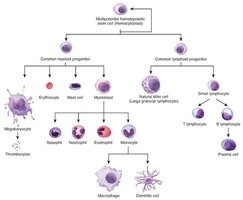
Myeloid lineage: Produces erythrocytes, platelets, neutrophils, basophils, eosinophils, monocytes (which differentiate into macrophages and dendritic cells).
Lymphoid lineage: Produces T lymphocytes, B lymphocytes (which become plasma cells), and natural killer (NK) cells.
Major Organs of the Immune System
Primary lymphoid organs include the bone marrow and thymus, where immune cells develop and mature. Secondary lymphoid organs, such as lymph nodes, spleen, and mucosal-associated lymphoid tissue, are sites where immune responses are initiated.
Chemical Messengers: Cytokines
Types and Actions of Cytokines
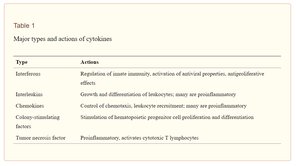
Cytokines are small proteins released by cells that regulate immunity, inflammation, and hematopoiesis. They act as signaling molecules to coordinate the immune response.
Type | Actions |
|---|---|
Interferons | Regulation of innate immunity, activation of antiviral properties, antiproliferative effects |
Interleukins | Growth and differentiation of leukocytes; many are proinflammatory |
Chemokines | Control of chemotaxis, leukocyte recruitment; many are proinflammatory |
Colony-stimulating factors | Stimulation of hematopoietic progenitor cell proliferation and differentiation |
Tumor necrosis factor | Proinflammatory; activates cytotoxic T lymphocytes |
Innate Immune Responses
Physical and Chemical Barriers
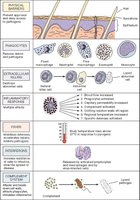
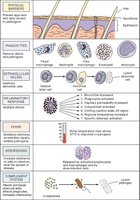
The first line of defense includes physical barriers (skin, mucous membranes) and chemical barriers (enzymes, acidic pH) that prevent pathogen entry.
Ciliary escalator: Cilia in the respiratory tract move mucus and trapped particles out of the airways.
Secretions: Lysozyme in tears and saliva, acidic pH in the stomach, and antimicrobial peptides on the skin.
Phagocytosis
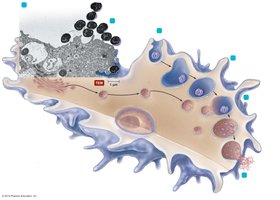
Phagocytic cells such as macrophages and neutrophils ingest and destroy pathogens. The process involves chemotaxis, adherence, ingestion, fusion with lysosomes, killing, and elimination of debris.
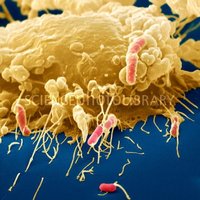
Chemotaxis: Movement of phagocytes toward chemical signals from pathogens or damaged cells.
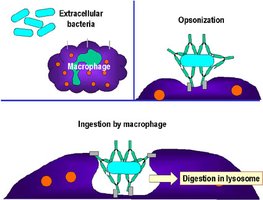
Adherence: Attachment of phagocyte to microbe, often enhanced by opsonins.
Ingestion: Engulfment of the microbe into a phagosome.
Fusion: Phagosome fuses with lysosome to form a phagolysosome.
Killing: Enzymes and reactive oxygen species destroy the microbe.
Elimination: Debris is expelled by exocytosis.
Pattern Recognition Receptors (PRRs) and PAMPs
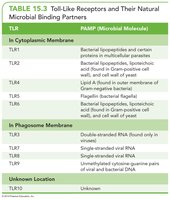
PRRs, such as Toll-like receptors (TLRs), recognize conserved microbial structures called pathogen-associated molecular patterns (PAMPs). This recognition triggers innate immune responses.
Example: TLR4 recognizes Lipid A, a component of Gram-negative bacterial LPS.
TLR | PAMP (Microbial Molecule) |
|---|---|
TLR2 | Bacterial lipoproteins, peptidoglycan |
TLR4 | Lipid A (endotoxin) of Gram-negative bacteria |
TLR5 | Bacterial flagellin |
TLR9 | Unmethylated CpG DNA |
TLR3 | Double-stranded RNA (viruses) |
TLR7/8 | Single-stranded viral RNA |
Opsonization
Opsonization is the process by which pathogens are coated with serum proteins (opsonins) such as antibodies or complement, enhancing their recognition and ingestion by phagocytes.
Microbial Evasion of Phagocytosis
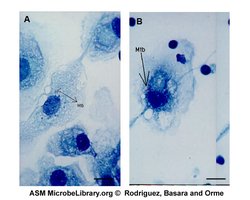
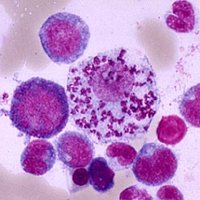
Some microorganisms evade phagocytosis by blocking steps such as adherence, ingestion, or fusion with lysosomes. Examples include:
Capsules: Inhibit adherence by masking PAMPs.
Coagulase: Forms protective barriers around bacteria.
Mycobacterium tuberculosis: Blocks phagosome-lysosome fusion.
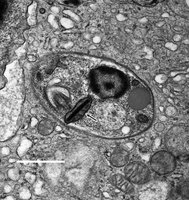
Leishmania species: Block digestion within phagolysosomes.
The Complement System
Complement Activation Pathways
The complement system consists of plasma proteins that enhance immune responses. Activation occurs via three pathways:
Classical pathway: Triggered by antigen-antibody complexes.
Alternative pathway: Triggered by microbial surfaces.
Lectin pathway: Triggered by mannose-binding lectin binding to pathogen surfaces.
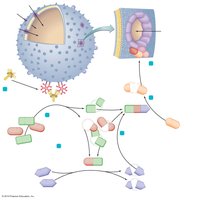
All pathways converge to activate C3, leading to opsonization, inflammation, and formation of the membrane attack complex (MAC), which lyses pathogens.
Membrane Attack Complex (MAC)
The MAC is formed by the assembly of complement proteins (C5b, C6, C7, C8, C9) and creates pores in the pathogen membrane, resulting in cell lysis.
Inflammation and Acute Phase Response
Process of Acute Inflammatory Response
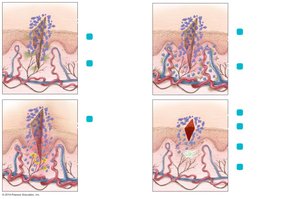
Inflammation is a protective response to infection or injury, characterized by redness, heat, swelling, and pain. It involves increased blood flow, vascular permeability, and recruitment of immune cells to the site of infection.
Key mediators: Prostaglandins, leukotrienes, histamine, cytokines.
Outcomes: Elimination of pathogens, tissue repair, and restoration of homeostasis.
Cytokine Storm
A cytokine storm is an excessive and uncontrolled release of pro-inflammatory cytokines, which can lead to severe tissue damage and systemic inflammation.

Antiviral Defenses: Interferons
Mechanism of Interferon Action
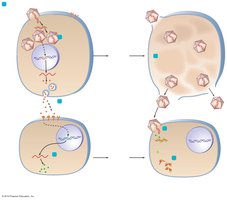
Interferons (IFNs) are cytokines produced in response to viral infections. They induce the expression of antiviral proteins in neighboring cells, inhibiting viral replication and spread.
Type I IFNs (α, β): Produced by most cells in response to viral infection.
Type II IFN (γ): Produced by T cells and NK cells, activates macrophages and enhances antigen presentation.
Fever as a Host Defense
Mechanism and Effects of Fever
Fever is a systemic response to infection, mediated by pyrogens that reset the hypothalamic thermostat. It enhances immune function and inhibits the growth of some pathogens.
Pyrogens: Substances such as cytokines and microbial products that induce fever.
Physiological effects: Increased metabolic rate, shivering, vasoconstriction, and inhibition of sweating.
Additional info: This guide integrates foundational concepts from Ch. 15 - Innate Immunity, with references to cell types, chemical mediators, and mechanisms of host defense. It is suitable for exam preparation in a college-level microbiology course.
