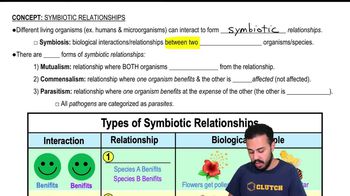
Symbiotic Relationships
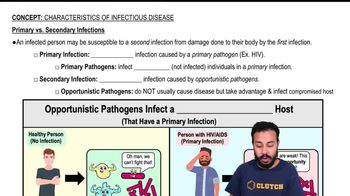
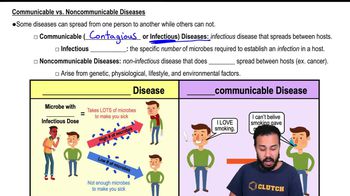
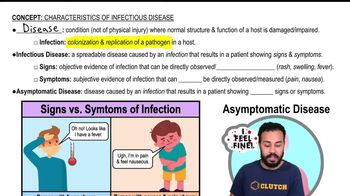
Characteristics of Infectious Disease
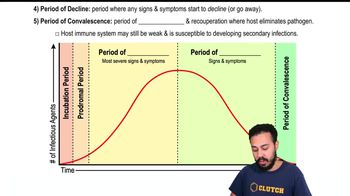
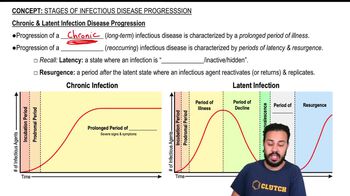
Stages of Infectious Disease Progression
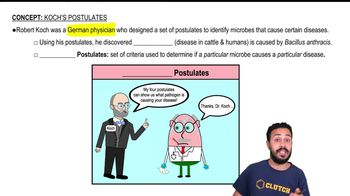
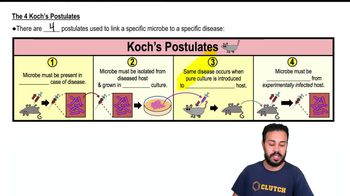
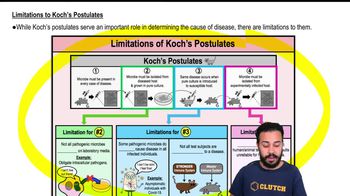
Koch's Postulates
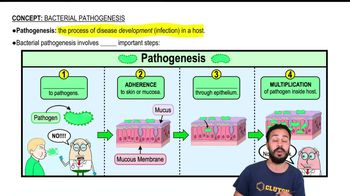
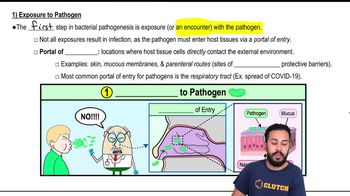
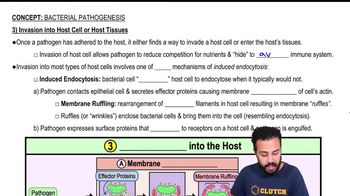
Bacterial Pathogenesis
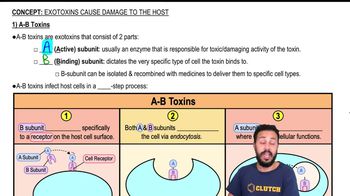
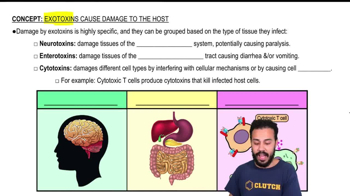
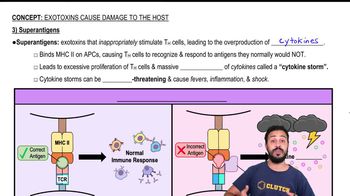
Exotoxins Cause Damage to the Host
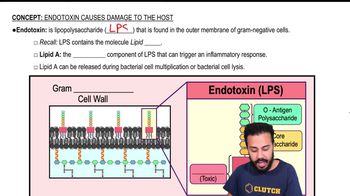
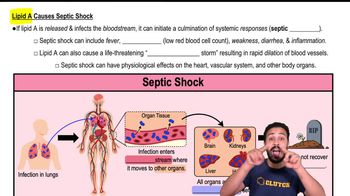
Endotoxin Causes Damage to the Host
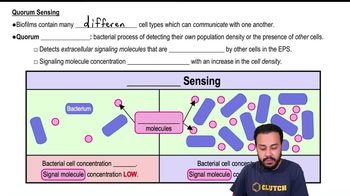
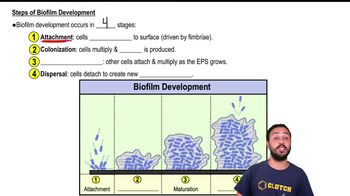
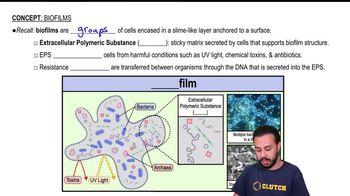
Biofilms
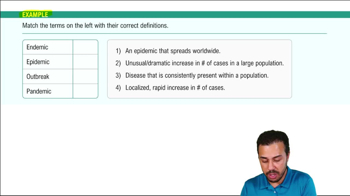
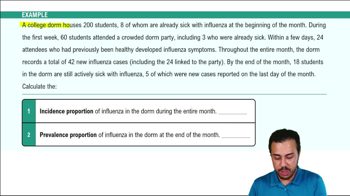
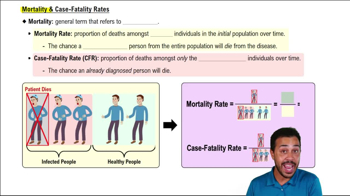
Introduction to Epidemiology
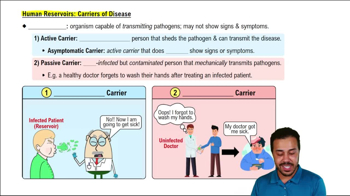
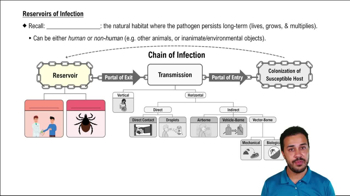
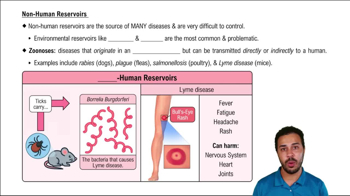
Reservoirs of Infection
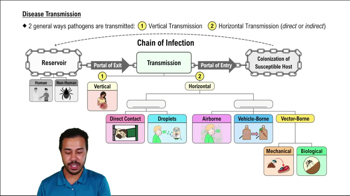
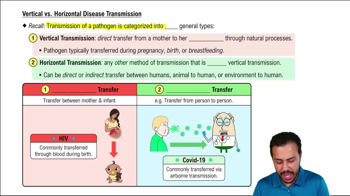
Disease Transmission
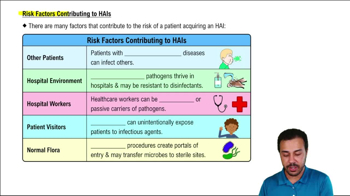
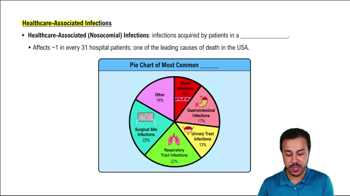
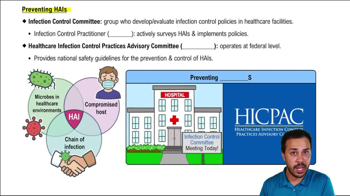
Healthcare-Associated Infections
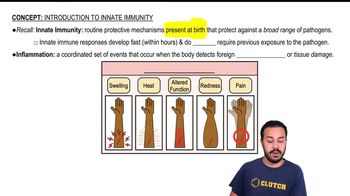
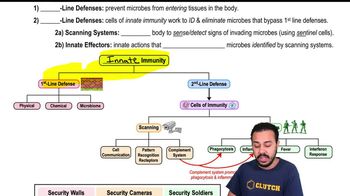
Introduction to Innate Immunity
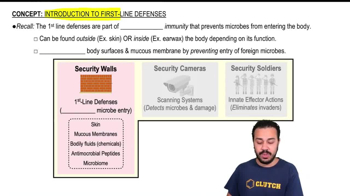
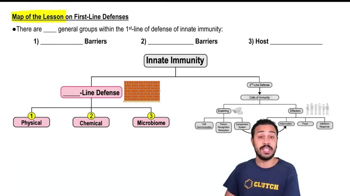
Introduction to First-Line Defenses
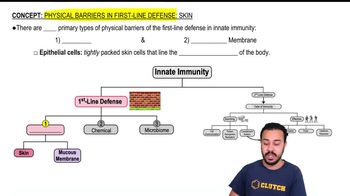
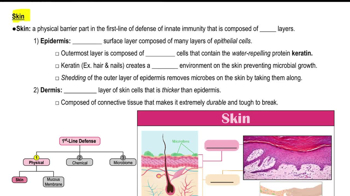
Physical Barriers in First-Line Defenses: Skin
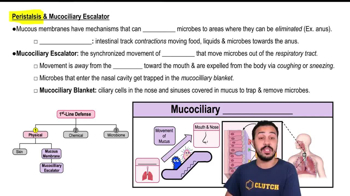
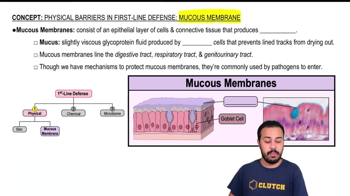
Physical Barriers in First-Line Defenses: Mucous Membrane
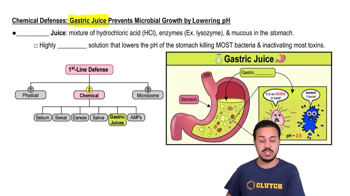
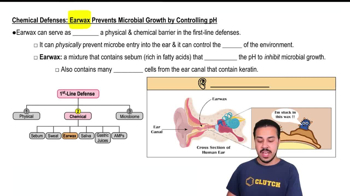
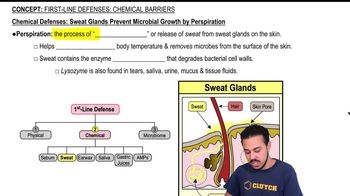
First-Line Defenses: Chemical Barriers
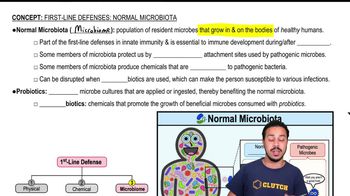
First-Line Defenses: Normal Microbiota
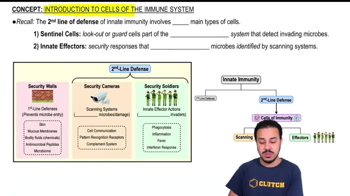
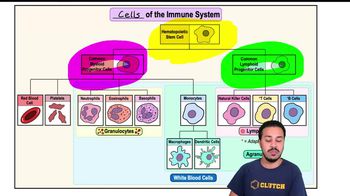
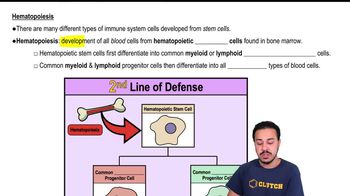
Introduction to Cells of the Immune System
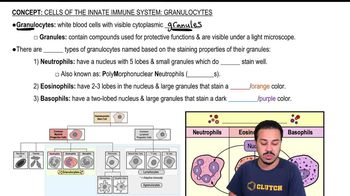
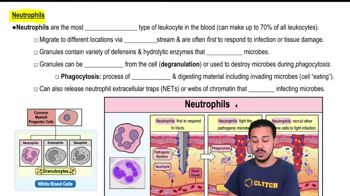
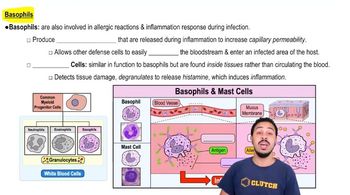
Cells of the Immune System: Granulocytes
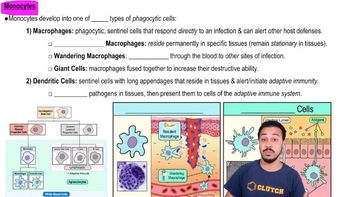
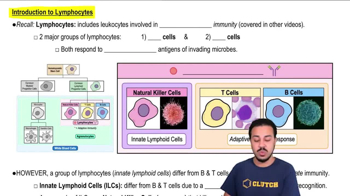
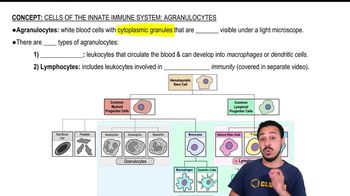
Cells of the Immune System: Agranulocytes
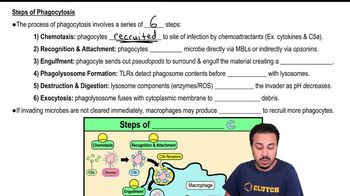
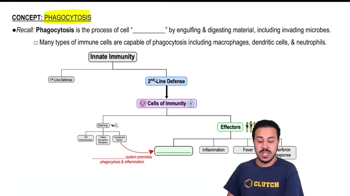
Phagoctytosis
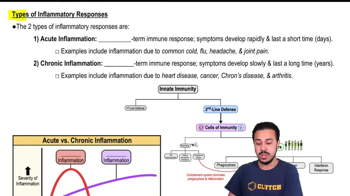
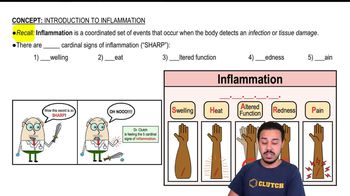
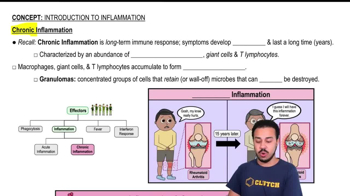
Introduction to Inflammation
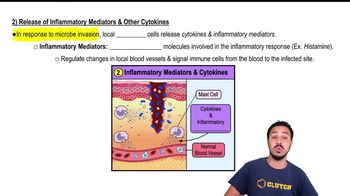
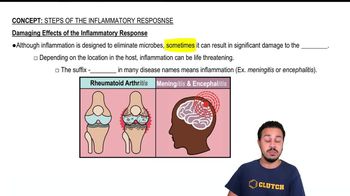
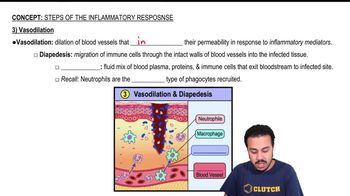
Steps of the Inflammatory Response
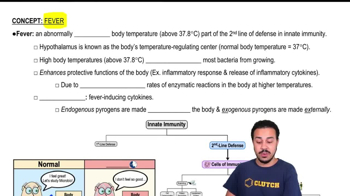
Fever
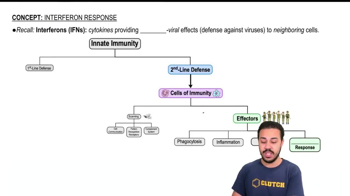
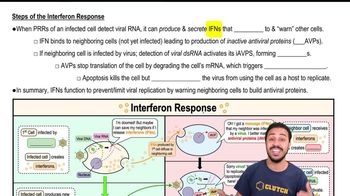
Interferon Response
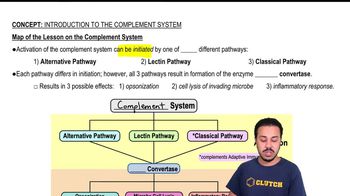
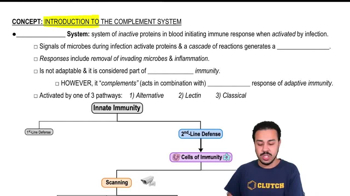
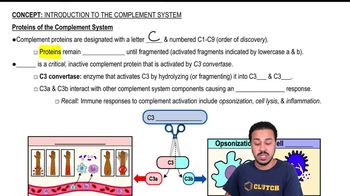
Introduction to the Complement System
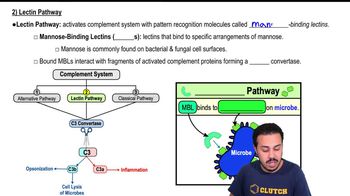
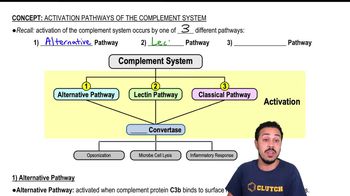
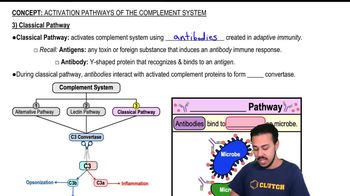
Activation Pathways of the Complement System
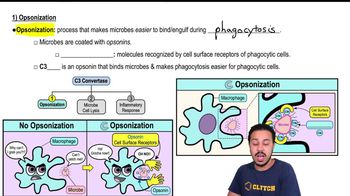
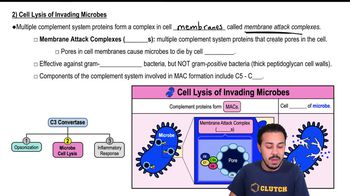
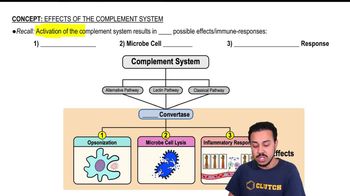
Effects of the Complement System
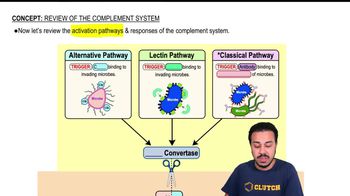
Review of the Complement System
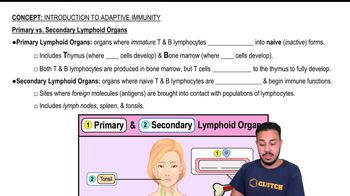
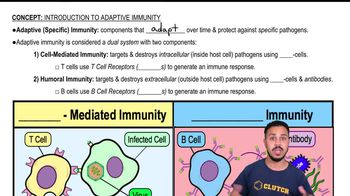
Introduction to Adaptive Immunity
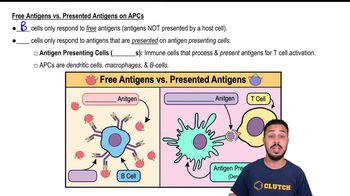
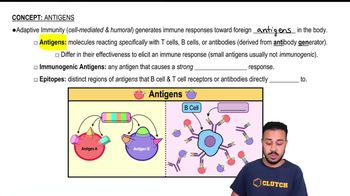
Antigens
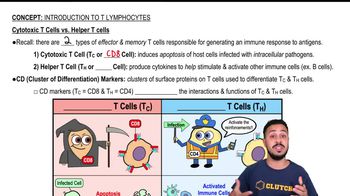
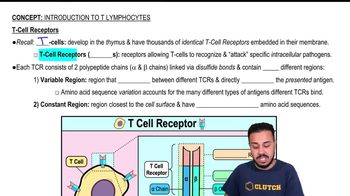
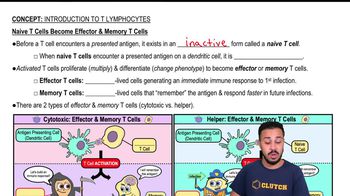
Introduction to T Lymphocytes
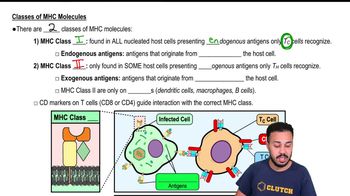
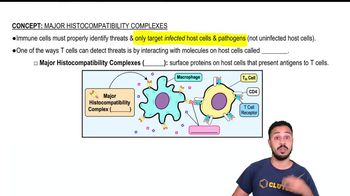
Major Histocompatibility Complex Molecules
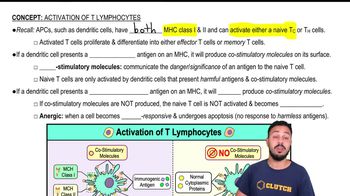
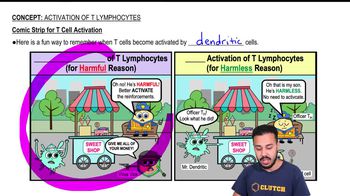
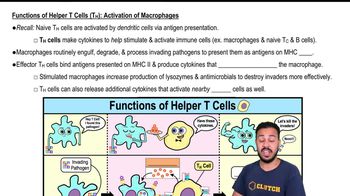
Activation of T Lymphocytes
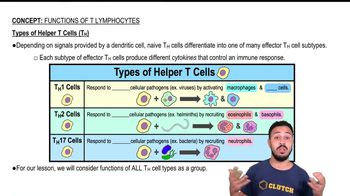
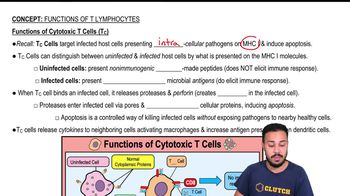
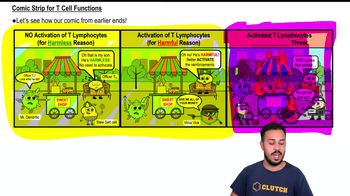
Functions of T Lymphocytes
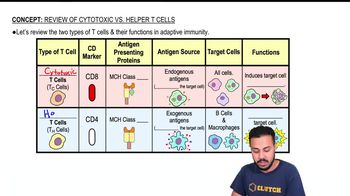
Review of Cytotoxic vs Helper T Cells
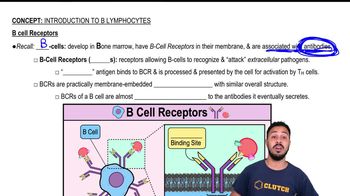
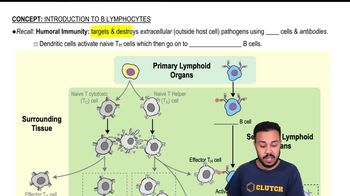
Introduction to B Lymphocytes
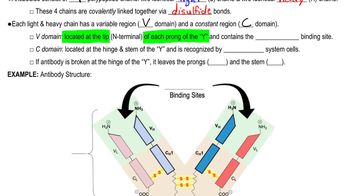
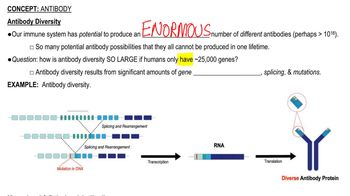
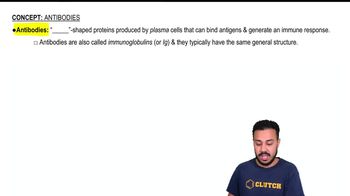
Antibodies
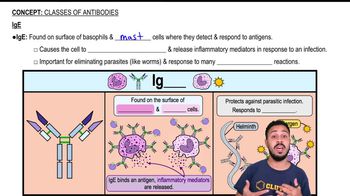
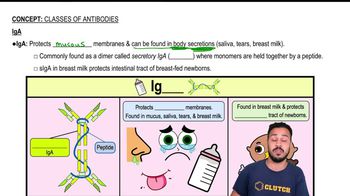
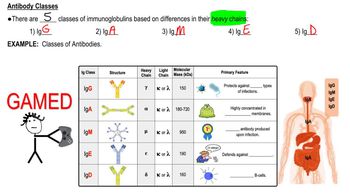
Classes of Antibodies
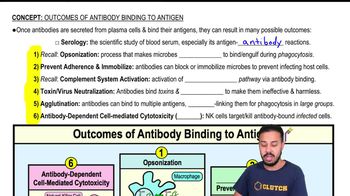
Outcomes of Antibody Binding to Antigen
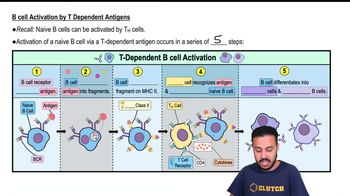
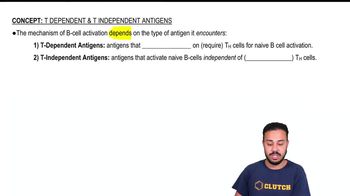
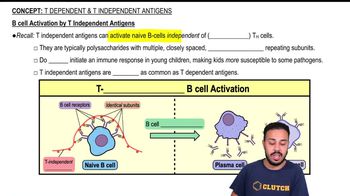
T Dependent & T Independent Antigens
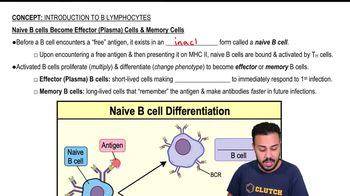
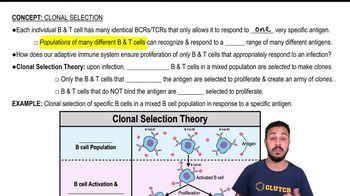
Clonal Selection
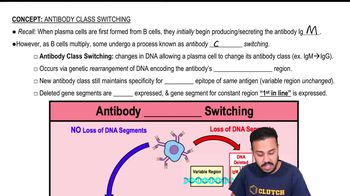
Antibody Class Switching
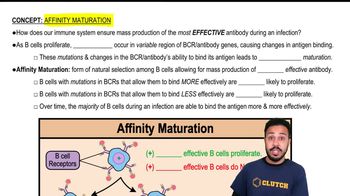
Affinity Maturation
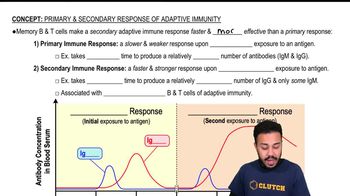
Primary and Secondary Response of Adaptive Immunity
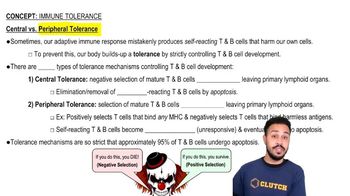
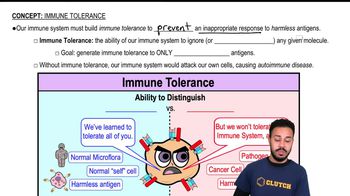
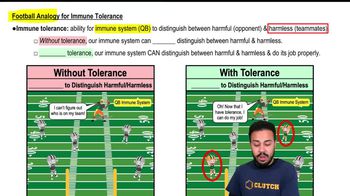
Immune Tolerance
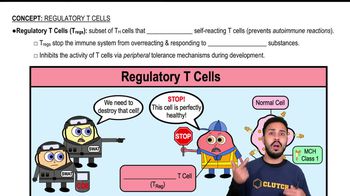
Regulatory T Cells
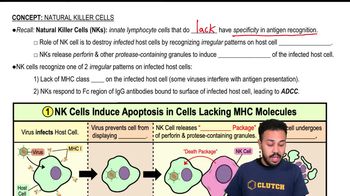
Natural Killer Cells
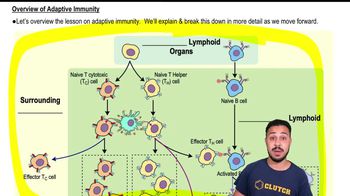
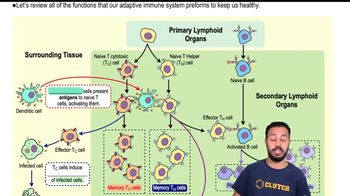
Review of Adaptive Immunity
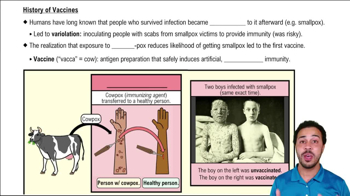
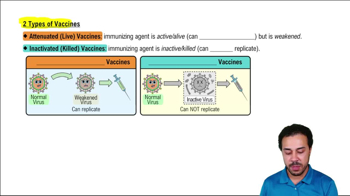
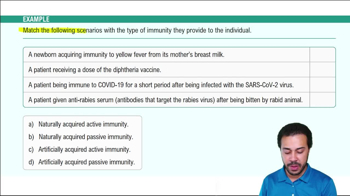
Introduction to Vaccines
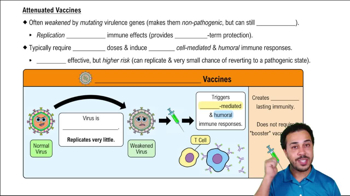
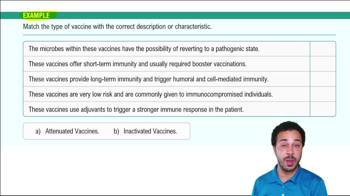
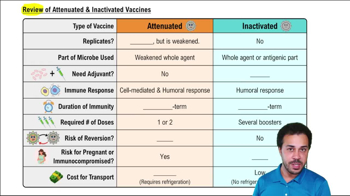
Attenuated Vaccines
Inactivated Vaccines
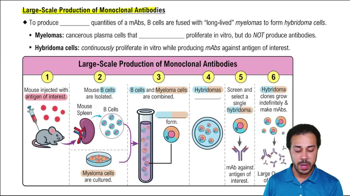
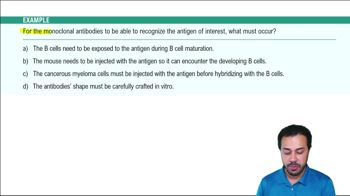
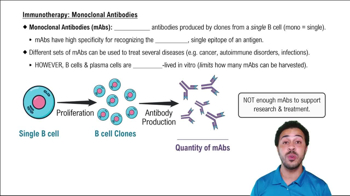
Immunotherapy: Monoclonal Antibodies
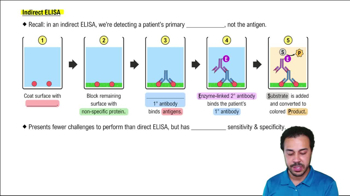
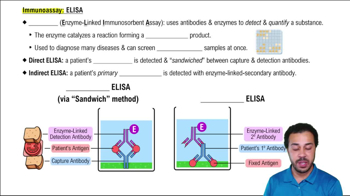
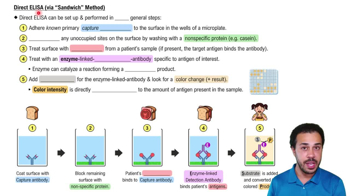
Immunoassay: ELISA
 Back
Back Curated lessons matched to your uploaded material – learn every topic step by step.
 05:59
05:59