 Back
BackImmune Disorders and Antimicrobial Therapy: Study Notes for Microbiology Students
Study Guide - Smart Notes
 Tailored notes based on your materials, expanded with key definitions, examples, and context.
Immune Disorders and Antimicrobial Therapy
Hypersensitivity and Autoimmunity
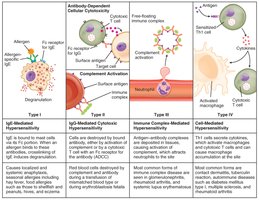
Hypersensitivity refers to inappropriate immune responses that result in host tissue damage. These responses are categorized based on the antigens and effector mechanisms involved, and are divided into antibody-mediated and cell-mediated types.
Type I, II, III Hypersensitivity: Antibody-mediated reactions.
Type IV Hypersensitivity: Cell-mediated reactions.
Key Point: Hypersensitivity diseases are classified according to the antigens and mechanisms that produce disease.
Immediate Hypersensitivity (Type I)
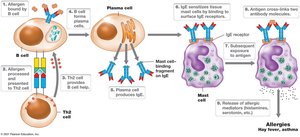
Type I hypersensitivity, also known as allergy, is antibody-mediated and caused by the release of vasoactive products from IgE antibody-coated mast cells. Reactions occur within minutes after exposure to an allergen and can range from mild to life-threatening (anaphylaxis).
IgE binds to mast cells: Allergen cross-links IgE, triggering degranulation and release of histamine and other mediators.
Example: Hay fever, hives, anaphylaxis.
Delayed-Type Hypersensitivity (Type IV)
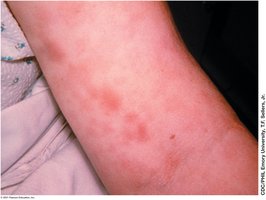
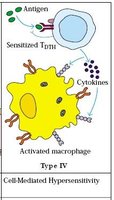
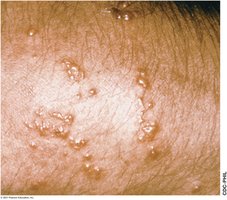
Type IV hypersensitivity is cell-mediated and characterized by tissue damage due to cytokine production by Th1 cells, which activate macrophages. Symptoms, such as poison ivy blisters, appear several hours after secondary exposure to the antigen.
Typical antigens: Microbes, self antigens, chemicals that bind to skin (contact dermatitis).
Example: Poison ivy, tuberculin reaction.
Autoimmune Conditions
Autoimmune diseases occur when T and B cells are activated to produce immune reactions against self proteins, resulting in host tissue damage. Some diseases are caused by autoantibodies that interact with self antigens.
Examples: Allergic encephalitis, type 1 diabetes mellitus.
Superantigens and Immunodeficiency
Superantigens
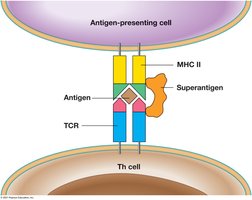
Superantigens are proteins produced by viruses and bacteria that activate more T cells than a normal immune response. They bind to conserved regions of both MHC and TCR proteins outside the normal binding site, causing large-scale T cell activation, cytokine release, and systemic inflammation.
Example: Staphylococcal toxin.
Immunodeficiency
Immunodeficiency refers to the inability of the immune system to mount an effective response. Deficiencies in B cells lead to bacterial infections, while T cell deficiencies result in viral infections and cancers.
SCID: Severe combined immune deficiency syndrome, congenital deficiency of both B and T cells.
AIDS: Acquired immunodeficiency syndrome caused by HIV, leading to loss of CD4+ T cells.
Vaccination and Immunotherapy
Vaccination Against Infectious Diseases
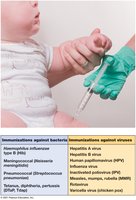
Vaccination is the deliberate exposure to an antigen to trigger an adaptive immune response, providing protection against future infection. Vaccines induce artificial active immunity and are critical in controlling infectious diseases.
Types of vaccines: Attenuated, inactivated, synthetic, conjugate, nucleic acid (DNA/mRNA).
Example: Pfizer and Moderna COVID-19 vaccines are mRNA vaccines.
Synthetic and Conjugate Vaccines
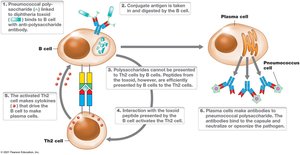
Synthetic vaccines are genetically engineered antigenic components. Conjugate vaccines pair a weak antigen (e.g., polysaccharide) with a strong carrier protein, stimulating a stronger immune response, especially in infants.
Example: Pneumococcal vaccines use polysaccharide linked to diphtheria toxoid.
Immunotherapy
Immunotherapy harnesses the immune system to fight or prevent diseases, including cancer. Approaches include anticancer vaccination, checkpoint inhibitors, and adoptive T cell transfer (CAR T-cell therapy).
Checkpoint inhibitors: Monoclonal antibodies block PD-1/PD-L1 to stimulate antitumor immune response.
CAR T-cell therapy: Genetically modifies patient T cells to target cancer cells.
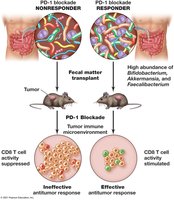
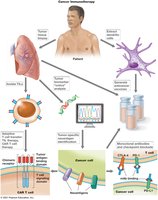
Immunotherapeutic Efficacy and the Gut Microbiome
The gut microbiota composition significantly affects the efficacy of immunotherapeutic treatments. Identifying beneficial microbes may improve treatment outcomes.
Antimicrobial Therapy
Antibacterial Drugs
Antibiotics are naturally occurring antimicrobial compounds produced by fungi or bacteria. They must exhibit selective toxicity, targeting pathogens while sparing host cells. Antibiotics are classified by their mechanism of action.
Broad-spectrum antibiotics: Effective against both gram-positive and gram-negative bacteria.
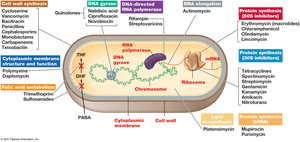
Cell Wall as a Drug Target
β-lactam antibiotics (penicillins, cephalosporins) inhibit cell wall synthesis. The β-lactam ring is essential for activity, but can be destroyed by β-lactamases.
Acid-sensitive penicillins: Not effective orally due to destruction by stomach acid.
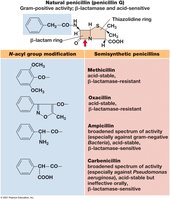
Protein Synthesis as a Drug Target
Antibiotics targeting protein synthesis bind to bacterial ribosomes, exploiting differences from eukaryotic ribosomes for selective toxicity. Examples include aminoglycosides, tetracyclines, and macrolides.
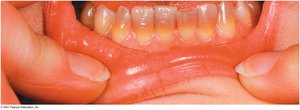
Tetracycline: Can cause permanent staining of teeth and should not be used in pregnant women or children unless necessary.
Nucleic Acid Synthesis as a Drug Target
Quinolones interfere with DNA gyrase, preventing DNA supercoiling and packaging. Effective against both gram-positive and gram-negative bacteria.
Other Antibacterial Drug Targets
Growth factor analogs mimic vitamins, amino acids, and other compounds but do not function in the cell. Sulfa drugs, isoniazid, daptomycin, and platensimycin are examples of drugs with unique targets.
Antimicrobial Drugs That Target Nonbacterial Pathogens
Antiviral Drugs
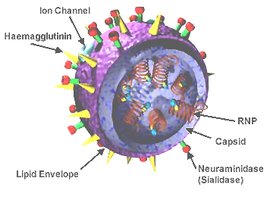
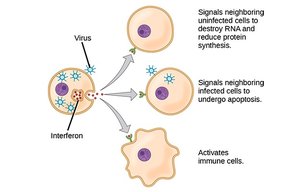
Most antiviral drugs target host structures, resulting in toxicity. Nucleoside analogs (e.g., AZT) block reverse transcriptase and viral DNA production. Protease inhibitors, fusion inhibitors, and neuraminidase inhibitors (e.g., Tamiflu) are also used.
Drugs That Target Eukaryotic Pathogens
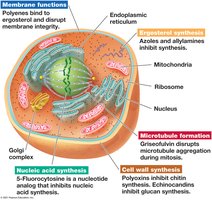
Fungi pose special problems for chemotherapy due to their eukaryotic nature. Many antifungals are topical, but some target unique fungal processes such as cell wall synthesis and ergosterol biosynthesis.
Echinocandins: Inhibit 1,3 β-D glucan synthase, used to treat Candida infections.
Ergosterol inhibitors: Target fungal plasma membrane.
Antimicrobial Drug Resistance
Microorganisms can acquire resistance to chemotherapeutic agents. Mechanisms include impermeability, inactivation, target modification, resistant pathways, and efflux pumps.
Key Point: Overuse of antibiotics accelerates resistance.
New Drugs and Treatment Strategies
Development of new antimicrobial compounds and modification of existing drugs are essential to combat resistance. Automated chemistry and drug combination therapy (especially for HIV) are important strategies.
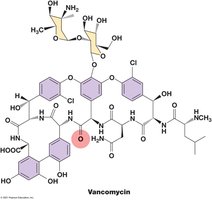
Example: Vancomycin modification restores activity against resistant strains.
Additional info: Academic context was added to clarify mechanisms, examples, and clinical relevance for each topic. Tables and figures were recreated and explained where relevant.
