 Back
BackImmune System Disorders: Immunodeficiencies, Autoimmunity, and Hypersensitivities
Study Guide - Smart Notes
 Tailored notes based on your materials, expanded with key definitions, examples, and context.
Immune System Disorders
Overview
Immune system disorders encompass a range of conditions where the immune response is either insufficient, excessive, or misdirected. These include immunodeficiencies, autoimmune diseases, and hypersensitivity reactions. Understanding these disorders is crucial for recognizing how the immune system can fail to protect or even harm the body.
Immunodeficiencies
Primary Immunodeficiencies
Primary immunodeficiencies are genetically based disorders present from birth that impair one or more components of the immune system. These conditions can affect B cells, T cells, phagocytes, or complement proteins, leading to increased susceptibility to infections.
Definition: Inborn errors affecting immune function, often due to genetic mutations.
Examples:
B cell/antibody deficiencies: Selective IgA or IgG deficiencies, X-linked agammaglobulinemia
T cell deficiencies: DiGeorge syndrome, congenital thymic dysplasia
Combined deficiencies: Severe combined immunodeficiency (SCID), Wiskott-Aldrich syndrome
Phagocyte defects: Chronic granulomatous disease, cyclic neutropenia
Complement deficiencies: C2, C4, or C9 deficiency

Secondary Immunodeficiencies
Secondary (acquired) immunodeficiencies develop later in life due to external factors such as infections, aging, or medical treatments. These are more common than primary immunodeficiencies.
Causes: Aging, chronic diseases (e.g., diabetes, malnutrition), infectious agents (e.g., HIV), medical interventions (e.g., immunosuppressive drugs).
Example: HIV infection leads to the loss of T helper cells, resulting in acquired immunodeficiency syndrome (AIDS).
Autoimmunity
Definition and Mechanisms
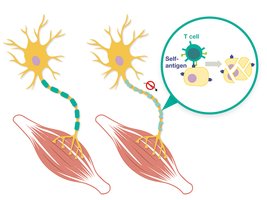
Autoimmunity occurs when the immune system mistakenly attacks the body's own healthy tissues, leading to chronic autoimmune disorders. The loss of self-tolerance is central to the development of these diseases.
Causes: Genetic predisposition and environmental triggers (e.g., infections).
Examples of Autoimmune Diseases: Type I diabetes, multiple sclerosis, rheumatoid arthritis, systemic lupus erythematosus, Hashimoto's thyroiditis, Graves' disease.

Hypersensitivity Reactions
Definition and Classification
Hypersensitivities are inappropriate or exaggerated immune responses to antigens, which can be localized or systemic. The four main types are remembered by the mnemonic "ACID":
Type I: Allergy (Immediate, IgE-mediated)
Type II: Cytotoxic (Antibody-mediated cell destruction)
Type III: Immune Complex (Antigen-antibody complex deposition)
Type IV: Delayed (T cell-mediated)
Type I Hypersensitivity (Allergy and Atopy)
Type I hypersensitivity involves IgE antibodies and mast cells or basophils. Upon exposure to an allergen, sensitization occurs, followed by degranulation and release of inflammatory mediators upon re-exposure.
Examples: Allergic rhinitis, atopic dermatitis, asthma, anaphylaxis.
Mechanism: Allergen binds to IgE on mast cells, triggering degranulation and release of histamine and other mediators.

Clinical Manifestations: Localized (e.g., hives, runny nose) or systemic (anaphylactic shock).
Treatment: Epinephrine for systemic anaphylaxis.

Diagnosis of Allergies
Allergies are diagnosed using blood tests for allergen-specific IgE or skin prick tests, which measure the wheal and flare response to allergens.

Type II Hypersensitivity (Cytotoxic Reactions)
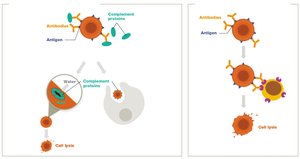
Type II hypersensitivity involves IgG or IgM antibodies directed against antigens on cell surfaces, leading to cell destruction via complement activation or antibody-dependent cellular cytotoxicity.
Examples: Hemolytic anemia, rheumatic heart disease, transfusion reactions, hemolytic disease of the newborn (HDN).
Mechanisms:
Complement-dependent cytolysis
Antibody-dependent cellular cytotoxicity (ADCC)
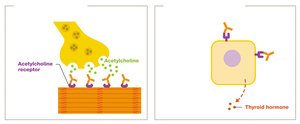
Receptor inactivation or overactivation (e.g., myasthenia gravis, Graves' disease)
Blood Groups and Transfusion Compatibility
Blood types are determined by the presence of carbohydrate (A, B, O) and protein (Rh) antigens on red blood cells. Incompatible transfusions can cause hemolytic reactions.
ABO System: A, B, AB, O types based on antigen presence.
Rh Factor: Positive or negative based on Rh antigen.
Transfusion Reaction: Occurs when incompatible blood is transfused, leading to rapid hemolysis and potentially fatal outcomes.
Hemolytic Disease of the Newborn (HDN)
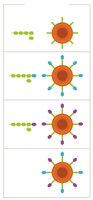
HDN occurs when an Rh-negative mother is sensitized to Rh antigen and produces antibodies that cross the placenta in subsequent pregnancies, attacking the Rh-positive fetal red blood cells.
Type III Hypersensitivity (Immune Complex-Mediated)
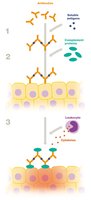
Type III hypersensitivity is caused by the formation of antigen-antibody complexes that deposit in tissues, activating complement and causing inflammation and tissue damage.
Examples: Systemic lupus erythematosus, rheumatoid arthritis, serum sickness, antitoxin reactions.
Mechanism: Excessive immune complexes deposit in tissues, triggering complement activation and leukocyte recruitment.
Type IV Hypersensitivity (Delayed, T Cell-Mediated)
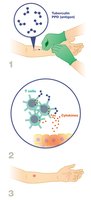
Type IV hypersensitivity is mediated by T cells rather than antibodies. The response is delayed, typically manifesting 12–72 hours after antigen exposure.
Examples: Contact dermatitis, tuberculin skin test, transplant rejection, autoimmune diseases such as type I diabetes, multiple sclerosis, Hashimoto's thyroiditis, celiac disease.
Mechanism: Sensitized T cells recognize antigen and release cytokines, leading to inflammation and tissue damage.
Summary Table: Four Classes of Hypersensitivity Reactions
Type | Immune Mechanism | Examples | Key Features |
|---|---|---|---|
I (Immediate/Allergy) | IgE-mediated, mast cell degranulation | Allergic rhinitis, asthma, anaphylaxis | Rapid onset, histamine release |
II (Cytotoxic) | IgG/IgM antibodies against cell surface antigens | Hemolytic anemia, transfusion reactions, HDN | Cell lysis, complement activation |
III (Immune Complex) | Immune complex deposition, complement activation | Lupus, serum sickness, rheumatoid arthritis | Tissue inflammation, complement-mediated damage |
IV (Delayed) | T cell-mediated | Contact dermatitis, tuberculin test, type I diabetes | Delayed onset, no antibodies involved |
Key Concepts for Exam Preparation
Distinguish between primary and secondary immunodeficiencies.
Define autoimmunity and provide examples of autoimmune diseases.
Define hypersensitivity and classify the four types with examples.
Understand the mechanisms and clinical features of each hypersensitivity type.
Recognize the importance of blood group compatibility and the pathogenesis of hemolytic disease of the newborn.
