 Back
BackImmunology Overview: The Human Immune System and Its Components
Study Guide - Smart Notes
 Tailored notes based on your materials, expanded with key definitions, examples, and context.
Immunology Overview
Introduction to Immunology
Immunology is the study of the immune system, which protects the body from infections, aids in wound healing, controls tumors, and can contribute to autoimmunity. The immune system is essential for maintaining health and is involved in nearly every aspect of medicine.
Protect: Prevent entry of pathogens.
Detect/Recognize: Identify foreign invaders.
Deploy: Mobilize immune components.
Eliminate/Tolerate: Remove threats or tolerate harmless entities.
Remember: Retain memory for faster future responses.
The Three Lines of Defense
Overview of Defense Mechanisms
The human body employs three main lines of defense against pathogens:
First Line (Physical and Chemical Barriers): Skin, mucous membranes, and secretions that prevent pathogen entry.
Second Line (Innate Immunity): Non-specific responses such as phagocytes, inflammation, and the complement system.
Third Line (Adaptive Immunity): Specific responses involving lymphocytes (B and T cells) and the production of antibodies.
The Four Major Compartments of the Immune System
Immune System Components and Their Roles
The immune system is organized into four major functional compartments, each with distinct roles in host defense:
Compartment | Main Cells/Components | Function |
|---|---|---|
Complement | Complement proteins | Opsonization, lysis of pathogens, inflammation |
Phagocytes | Neutrophils, Macrophages | Ingestion and destruction of microbes, antigen presentation |
B Cells | B lymphocytes, Antibodies | Antibody production, neutralization of pathogens |
T Cells | CD4+ Helper T cells, CD8+ Cytotoxic T cells, Regulatory T cells | Coordination of immune response, killing infected cells, immune regulation |
Innate vs. Adaptive Immunity
Major Differences
Innate Immunity: Rapid, non-specific, no memory. Involves barriers, phagocytes, and complement.
Adaptive Immunity: Slower to respond, highly specific, generates immunological memory. Involves B and T lymphocytes.
Feature | Innate Immunity | Adaptive Immunity |
|---|---|---|
Specificity | Non-specific | Highly specific |
Response Time | Immediate (minutes to hours) | Delayed (days) |
Memory | None | Present |
Main Cells | Phagocytes, NK cells | B and T lymphocytes |
Complement System
Role and Mechanism
The complement system consists of plasma proteins that are activated in a cascade to fight infections. Its main functions include opsonization (marking pathogens for phagocytosis), direct lysis of pathogens via the Membrane Attack Complex (MAC), and recruitment of inflammatory cells.
Activation: Triggered by pathogen recognition or antibody binding.
Opsonization: Coating of pathogens to enhance phagocytosis.
MAC Formation: Leads to lysis of target cells.
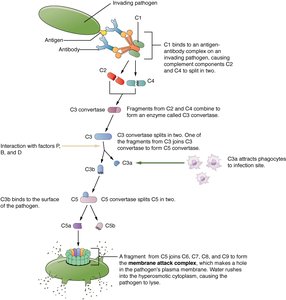
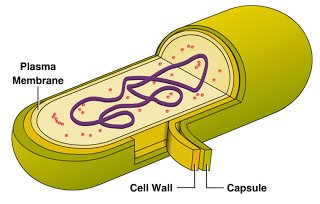
Clinical Relevance: Defects in complement increase susceptibility to infections by encapsulated bacteria such as Streptococcus pneumoniae, Haemophilus influenzae, and Neisseria meningitidis.
Phagocytes
Neutrophils and Macrophages
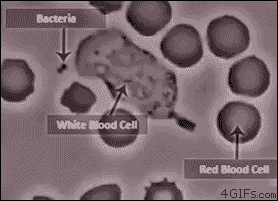
Phagocytes are the 'Marines' of the immune system, responsible for ingesting and destroying pathogens. They also present antigens to T cells, linking innate and adaptive immunity.
Neutrophils: First responders, migrate to infection sites, engulf pathogens.
Macrophages: Engulf pathogens and debris, present antigens to T cells.
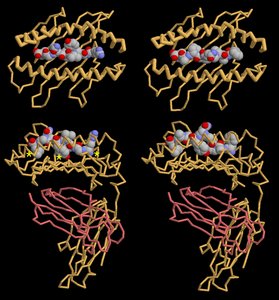
Antigen Presentation: Pathogen proteins are digested and displayed on MHC molecules for T cell recognition.
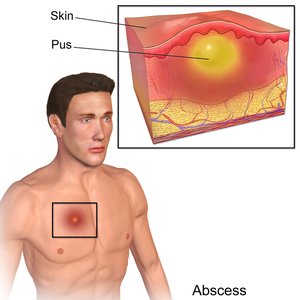
Clinical Relevance: Defects in phagocytes lead to recurrent abscesses, lymphadenitis, and poor wound healing, especially with catalase-positive organisms.
B Cells and Antibodies
Antibody Production and Function
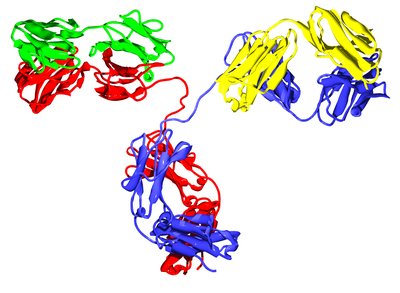
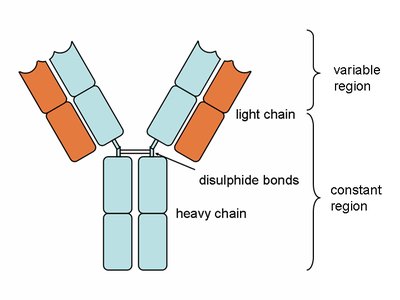
B cells are responsible for producing antibodies (immunoglobulins), which neutralize pathogens and mark them for destruction. Antibodies have variable regions for antigen binding and constant regions for effector functions.
Antibody Structure: Y-shaped molecules with two antigen-binding sites.
Functions: Neutralization, opsonization, complement activation.
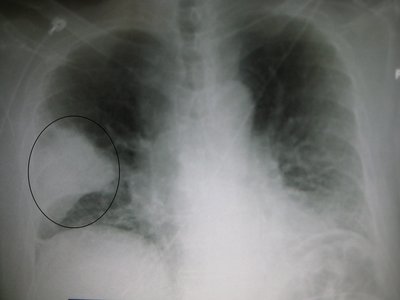
Clinical Relevance: B cell or antibody deficiencies cause recurrent bacterial infections, especially in the respiratory tract.
T Cells
Types and Functions
T cells are central to adaptive immunity. There are several types:
CD4+ Helper T Cells: Direct and coordinate immune responses.
CD8+ Cytotoxic T Cells: Kill infected cells, especially those harboring viruses or intracellular pathogens.
Regulatory T Cells: Suppress and modulate immune responses to prevent autoimmunity.
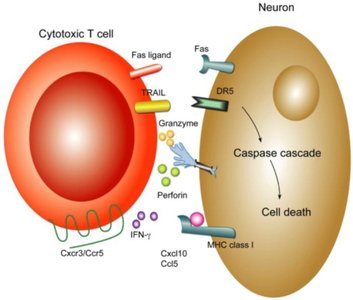
Clinical Relevance: T cell deficiencies result in severe viral and fungal infections, impaired antibody responses, and increased risk of autoimmunity.
Immune Response: Sequence of Events
From Recognition to Memory
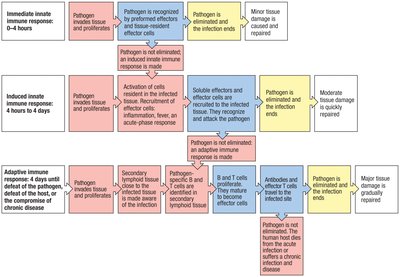
The immune response involves several coordinated steps:
Recognition of pathogen by innate immune cells.
Activation and recruitment of additional immune cells.
Inflammation and effector functions (phagocytosis, cytotoxicity, antibody production).
Resolution of infection and tissue repair.
Development of immunological memory for faster future responses.
Problems with Immune Compartments
Consequences of Defects
Complement Deficiency: Increased risk of severe infections by encapsulated bacteria.
Phagocyte Deficiency: Recurrent abscesses, poor wound healing, infections by catalase-positive organisms.
B Cell/Antibody Deficiency: Recurrent sinopulmonary infections.
T Cell Deficiency: Severe viral/fungal infections, autoimmunity, impaired antibody responses.
Study Strategies for Immunology
Effective Learning Techniques
Use active recall and self-testing.
Space repetition over several days.
Take breaks and use explanatory questioning.
Engage in peer quizzing and active note-taking.
Utilize digital resources and animations for visualization.
Helpful Resources
Recommended Tools
Pearson Digital Content
Mastering Microbiology
Animations, videos, and interactive study modules
