Back
BackInfections of the Blood and Lymphatic System: Microbiology Study Notes
Study Guide - Smart Notes
 Tailored notes based on your materials, expanded with key definitions, examples, and context.
Infections of the Blood and Lymphatic System
Overview of the Cardiovascular and Lymphatic Systems
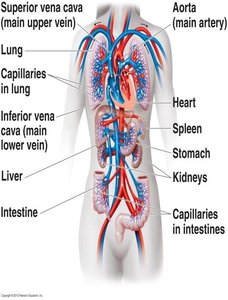
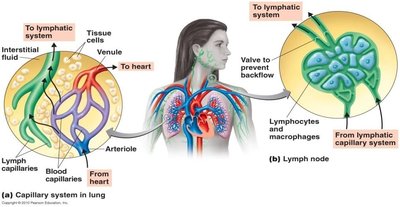
The cardiovascular system and lymphatic system are essential for transporting nutrients, immune cells, and waste products throughout the body. Both systems are critical in the context of infectious diseases, as they can serve as routes for pathogen dissemination and immune response.
Cardiovascular System: Composed of the heart, blood, and blood vessels. It delivers oxygen and nutrients to tissues and removes waste products.
Lymphatic System: Includes lymph, lymph vessels, lymph nodes, and lymphoid organs. It is rich in B and T lymphocytes and macrophages, and is typically free of red blood cells.
Bacterial Diseases of the Blood and Lymphatic System
Endocarditis
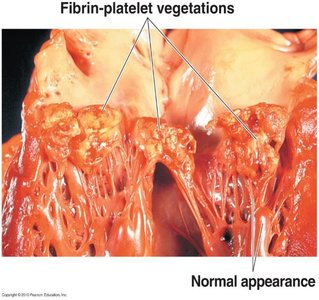
Endocarditis is an infection and inflammation of the tissues surrounding the heart muscles, particularly the heart valves. It often begins as an infection elsewhere in the body and can be life-threatening if untreated.
Etiology: Commonly caused by Streptococcus mutans entering the bloodstream, for example, during dental surgery.
Pathogenesis: Bacteria infect pre-existing lesions of the heart, such as those from rheumatic fever or congenital defects.
Symptoms: Fever, heart murmur, tissue damage, and potentially death.
Treatment: Broad-spectrum antibiotics, often used preventatively after procedures like dental surgery.
Sepsis and Septic Shock
Sepsis is a life-threatening systemic inflammatory response caused by bacteria or their products in the blood. If untreated, it can progress to septic shock, characterized by a sudden drop in blood pressure and organ failure.
Common Causes: Gram-negative bacteria such as Klebsiella pneumoniae (endotoxin-mediated).
Sources: Often begins as an infection elsewhere (e.g., urinary tract, pneumonia, surgical wounds).
Treatment: Bacteriostatic antibiotics; antibiotic resistance (e.g., KPC) is a significant concern.
Prevention: Early diagnosis and treatment of local infections; strict infection control in hospitals.
Pseudomonas Infections
Pseudomonas aeruginosa is an opportunistic pathogen that can cause severe infections, especially in immunocompromised individuals or those with burns and wounds.
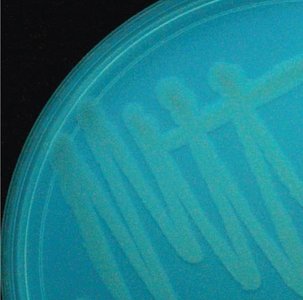
Characteristics: Produces a blue-green pigment on infected burns; can enter the bloodstream and cause septic shock due to endotoxin release.
Treatment: High doses of intravenous antibiotics; organism is resistant to many antimicrobials and disinfectants.
Prevention: Wound debridement and topical antibiotics.
Plague
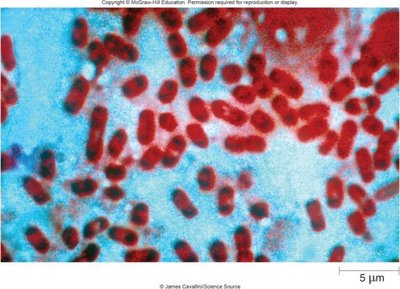
The plague is caused by Yersinia pestis and is primarily a disease of rodents, transmitted to humans by flea bites. The bacterium can survive and multiply inside phagocytic cells, leading to severe disease.
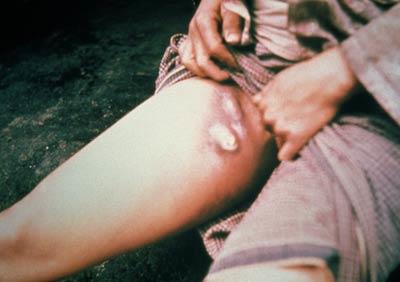
Bubonic Plague: Characterized by swollen lymph nodes (buboes) in the groin and armpits. Untreated, it is fatal in 50-80% of cases.
Pneumonic Plague: Spread by respiratory droplets; nearly 100% fatal within three days if untreated.
Treatment: Antibiotics are effective if administered early.

Viral Diseases of the Blood and Lymphatic System
Epstein-Barr Virus (EBV) and Infectious Mononucleosis
Epstein-Barr Virus (EBV) causes infectious mononucleosis, commonly known as "mono." It is transmitted by direct or indirect contact, such as kissing or sharing drinks.
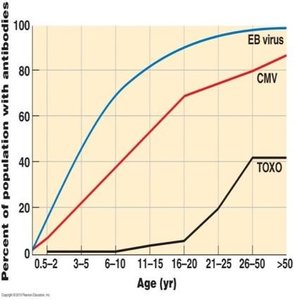
Infection Patterns: In most of the world, infection occurs in early childhood and is often asymptomatic. In North America, infection typically occurs in early adulthood and is more symptomatic (fatigue, sore throat, swollen lymph nodes).
Pathogenesis: EBV targets B cells, which are then destroyed by cytotoxic T cells, weakening antibody-mediated immunity.
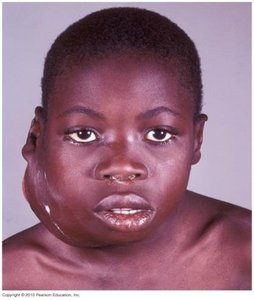
Complications: Linked to Burkitt’s lymphoma, chronic fatigue syndrome, and possibly multiple sclerosis, Hodgkin’s disease, and nasopharyngeal cancers.
Duration: Disease can last for months due to impaired immune function.
Ebola Hemorrhagic Fever
Ebola virus causes a severe hemorrhagic fever with a high mortality rate. The natural host is the fruit bat, which is not affected by the disease but can transmit it to humans through direct or indirect contact with infected blood.
Transmission: Highly contagious; can spread through contact with bodily fluids.
Symptoms: High fever, vomiting blood, profuse internal and external bleeding, multiple organ failure, and death in over 50% of cases.
Protozoan Diseases of the Blood and Lymphatic System
Malaria
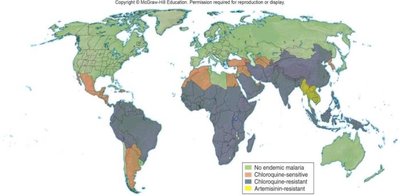
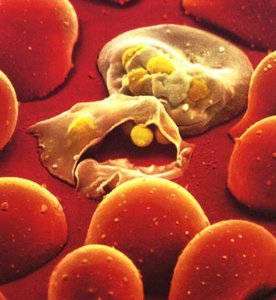
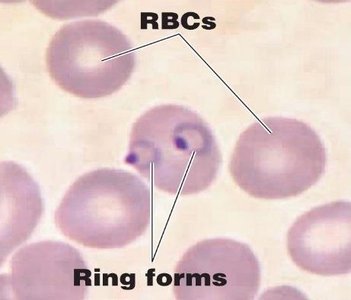
Malaria is caused by Plasmodium species and is transmitted by mosquitoes in tropical climates. The parasite targets red blood cells, leading to anemia and splenomegaly.
Symptoms: Characteristic fever cycle with temperature spikes every 2-3 days as new generations of Plasmodium are released from red blood cells.
Treatment: Chloroquine and artemisinin-based combination therapies (ACTs).
Prevalence: Approximately 263 million people are infected worldwide.