 Back
BackInfections of the Nervous System: Microbiology Study Notes
Study Guide - Smart Notes
 Tailored notes based on your materials, expanded with key definitions, examples, and context.
Infections of the Nervous System
Overview of the Nervous System
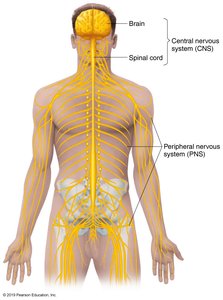
The nervous system is divided into two major divisions: the central nervous system (CNS) and the peripheral nervous system (PNS). Infections of the nervous system are rare but can be extremely serious due to the critical functions of these tissues.
CNS: Consists of the brain and spinal cord.
PNS: Composed of peripheral nerves and ganglia.
Protective Structures of the CNS
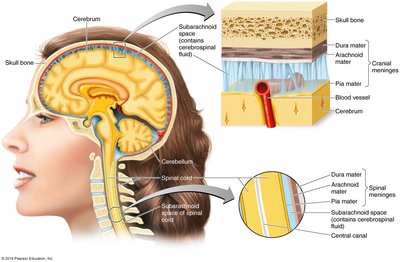
The brain and spinal cord are protected by three layers of membranes called the meninges: dura mater, arachnoid mater, and pia mater. Cerebrospinal fluid (CSF) flows through the subarachnoid space, providing cushioning and nutrient transport. The blood-brain barrier selectively allows substances to enter the brain, making infections and drug delivery challenging.
Meninges: Dura mater (outer), arachnoid mater (middle), pia mater (inner).
CSF: Circulates in the subarachnoid space, sampled for diagnosis.
Blood-brain barrier: Only lipid-soluble substances or those with carrier proteins can cross easily.
Meningitis
Definition and Types
Meningitis is the infectious inflammation of the meninges. It can be caused by bacteria, viruses, fungi, or protozoa. Viral meningitis is common and usually mild, while bacterial meningitis is often severe and life-threatening.
Symptoms: Classic triad—fever, headache, stiff neck; may progress to nausea, vomiting, convulsions, coma, and death.
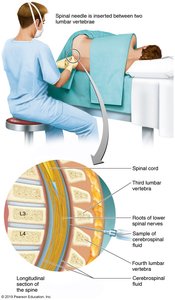
Diagnosis: Requires CSF sample, usually obtained by lumbar puncture (spinal tap). Gram stain and culture are key diagnostic tools.
Treatment: Empiric broad-spectrum antibiotics started immediately for suspected bacterial cases; adjusted after organism identification.
Bacterial Meningitis: Major Pathogens
Three main bacteria historically cause most cases of bacterial meningitis, all possessing capsules that inhibit phagocytosis and are commonly found in the nose and throat:
Haemophilus influenzae type B (Hib): Also causes pneumonia, otitis media, and epiglottitis. Primarily affects infants under 4 years. Vaccine (Hib) has greatly reduced incidence.
Neisseria meningitidis: Causes meningococcal meningitis, often in epidemics (e.g., dormitories, barracks). Unique symptom: rash that does not fade when pressed. Vaccine available.
Streptococcus pneumoniae: Leading cause of bacterial meningitis and pneumonia. High mortality, especially in elderly. Vaccine reduces both meningitis and otitis media.
Fungal Meningitis: Cryptococcosis
Cryptococcus neoformans is the most common cause of fungal meningitis, especially in immunocompromised individuals (e.g., AIDS patients). Transmission occurs via inhalation of dried bird droppings. Mortality can reach 30%.
Neural Tissue Diseases
Bacterial Neural Diseases
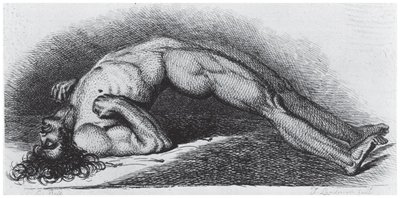
Tetanus (Clostridium tetani): Acquired from soil-contaminated wounds. Produces tetanospasmin, a potent neurotoxin that blocks inhibitory neurotransmitter release, causing muscle spasms (lockjaw, opisthotonos) and potentially fatal respiratory paralysis. Treated with TIG (tetanus immune globulin) before symptoms; prevented by DTaP vaccine and wound care.
Botulism (Clostridium botulinum): Usually foodborne from improperly canned goods or honey (infants). Botulinum toxin blocks acetylcholine release at neuromuscular junctions, causing flaccid paralysis and potentially respiratory/cardiac arrest. Treated with antitoxin; prevention includes proper food processing.


Botox: Purified botulinum toxin used medically and cosmetically to reduce muscle activity (e.g., for blepharospasm, hyperhidrosis).

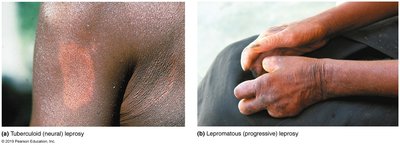
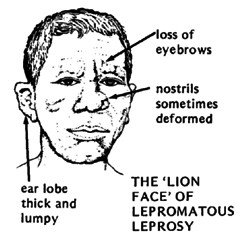
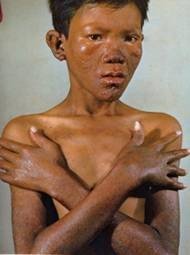
Leprosy (Mycobacterium leprae): Spread by prolonged contact with contaminated secretions. Invades peripheral nerves, causing discolored skin, loss of sensation, tissue necrosis, and characteristic 'lion-faced' appearance. Grows best at lower temperatures (outer body parts). Treated with antibiotics for 6–12 months.
Viral Neural Diseases
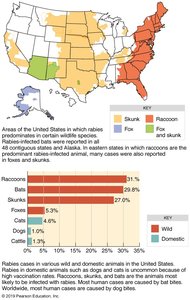
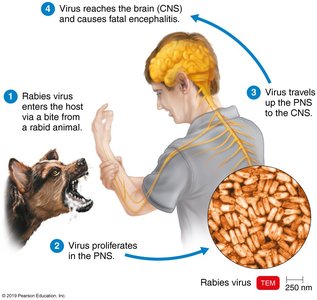
Rabies: Caused by a rapidly mutating ssRNA virus, transmitted via saliva from animal bites. Virus proliferates in the PNS, then migrates to the CNS, causing fatal encephalitis. Classic symptoms include agitation, hydrophobia, and aggressive behavior. Post-exposure vaccination is effective if administered before CNS involvement. Prevention includes vaccination for high-risk individuals and wound care.
Poliomyelitis (Polio): Caused by poliovirus (RNA virus), transmitted fecal-orally. Humans are the only reservoir. Improved sanitation delayed exposure, increasing severity. Most cases are mild, but severe cases involve paralysis and death. No effective treatment; prevention by vaccination.
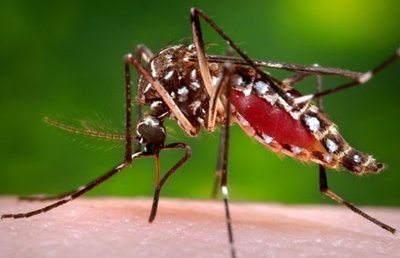
Arboviral Encephalitis: Caused by arthropod-borne viruses (e.g., EEE, WEE, SLE, West Nile, Zika). Transmitted by mosquitoes, with birds often serving as reservoirs. Symptoms include abrupt onset of fever, headache, vomiting, disorientation, paralysis, or coma. Zika virus is especially dangerous for fetuses, causing microcephaly. Prevention focuses on mosquito control.
Prion Diseases
Overview
Prions are infectious proteins with abnormal shapes that induce other proteins to misfold, leading to spongiform encephalopathies (holes in the brain). Transmission can occur via ingestion, transplantation, or contaminated surgical instruments.
Bovine spongiform encephalopathy (mad cow disease): Notable outbreak in Great Britain (1986), controlled by culling affected cattle.
Creutzfeldt-Jakob disease: Inherited or acquired prion disease in humans.
