Back
BackInfections of the Respiratory Tract: Microbiology Study Notes
Study Guide - Smart Notes
 Tailored notes based on your materials, expanded with key definitions, examples, and context.
Infections of the Respiratory Tract
The Respiratory Tract: Structure and Function
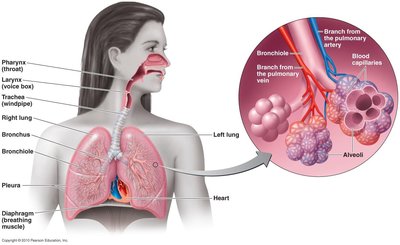
The respiratory tract is a complex system responsible for gas exchange and is a common entry point for pathogens. It is divided into the upper and lower respiratory tracts, each with distinct anatomical features and defenses.
Upper respiratory tract: Includes the nose, pharynx, and larynx.
Lower respiratory tract: Includes the trachea, bronchi, bronchioles, and alveoli.
Defense mechanisms: Mucociliary escalator, immune cells, and normal microbiota help prevent infection.
Bacterial Diseases of the Respiratory Tract
Streptococcal Pharyngitis (Strep Throat)
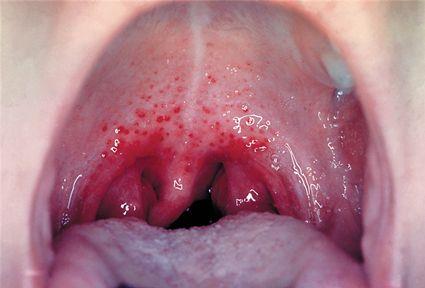
Streptococcal pharyngitis is a common bacterial infection of the throat caused by Streptococcus pyogenes (Group A Streptococci, GAS). It is characterized by inflammation and can lead to serious complications if untreated.
Symptoms: Sore throat, pus, red spots, fever.
Virulence factors:
Streptolysins: Exoenzymes that lyse red and white blood cells.
Streptokinase: Fibrinolysin that dissolves blood clots.
Capsule: Prevents phagocytosis.
M proteins: Surface antigens that interfere with complement activation.
Treatment: Penicillin is effective.
Complications of Streptococcal Infections
Scarlet fever: Caused by erythrogenic toxin (reddening toxin); symptoms include high fever, red tongue, and sandpaper-like rash.
Necrotizing fasciitis: Caused by pyrogenic exotoxins (A and B); leads to massive immune response, tissue death, and rapid progression.
Post-streptococcal sequelae: Complications such as rheumatic fever (autoimmune damage to heart valves and joints) and carditis.

Diphtheria
Diphtheria is a serious upper respiratory infection caused by Corynebacterium diphtheriae. The disease is primarily due to the diphtheria toxin, a cytotoxin that destroys respiratory tract cells.
Symptoms: Mild sore throat, extreme fatigue, malaise, pseudomembrane formation on tonsils and throat (can cause suffocation).
Complications: Toxin can enter the bloodstream, causing heart and kidney failure.
Treatment: Antibiotics to stop infection; antitoxin antibody to neutralize toxin.
Prevention: Toxoid vaccine (DTaP).
Pertussis (Whooping Cough)
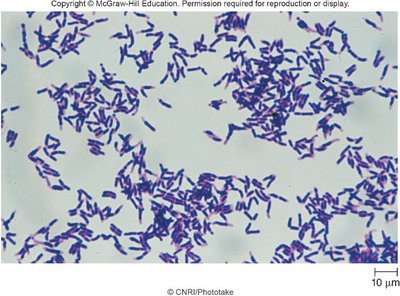
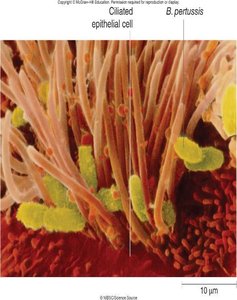
Pertussis is a highly contagious respiratory disease caused by Bordetella pertussis. It is characterized by severe coughing fits and is especially dangerous for infants.
Stages:
Catarrhal stage: Cold-like symptoms.
Paroxysmal stage: Cytotoxin kills ciliated cells, leading to violent coughing.
Treatment: Antibiotics effective only in early stage.
Prevention: DTaP vaccine and boosters every 10 years.
Other Bacterial Infections: Pinkeye, Earaches, and Sinus Infections
These common infections can be caused by bacteria or viruses and affect the conjunctiva, middle ear, or sinuses.
Conjunctivitis (Pinkeye): Redness, itching, pus, and swelling (bacterial cause).
Otitis media: Middle ear infection, severe earache, common in children.
Sinusitis: Sinus infection, facial pain, pressure, thick green nasal discharge.
Treatment: Antibiotics (not always effective for otitis media).
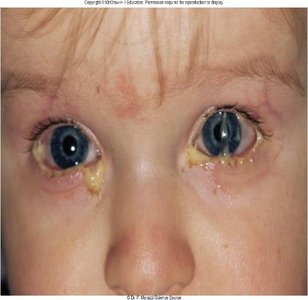
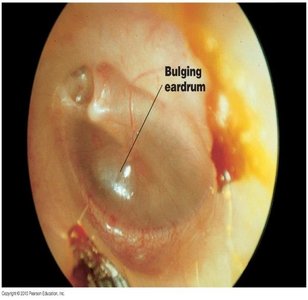
Bacterial Pneumonias
Pneumonia is a lung infection that can be caused by various bacteria, leading to inflammation and impaired gas exchange.
Pneumococcal pneumonia: Caused by Streptococcus pneumoniae (Gram-positive); symptoms include high fever, chest pain, difficulty breathing, and prostration. Treated with antibiotics; prevented by subunit and conjugate vaccines.
Klebsiella pneumonia: Caused by Klebsiella pneumoniae (Gram-negative); similar symptoms, but often resistant to antibiotics (KPC enzyme). Major cause of hospital-acquired infections.
Other causes: Haemophilus influenzae, Pseudomonas aeruginosa (especially in cystic fibrosis), Mycoplasma pneumoniae (walking pneumonia).
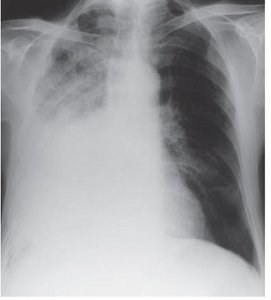
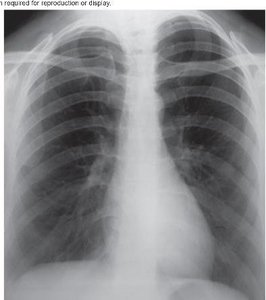
Tuberculosis (TB)
Tuberculosis is a chronic lung infection caused by Mycobacterium tuberculosis. It is transmitted via airborne droplets and can remain latent for years.
Symptoms: Progressive weight loss, chronic cough, calcified lung lesions (tubercles), eventual death if untreated.
Diagnosis: Tuberculin skin test (Mantoux test) detects immune response to TB antigens.
Treatment: Long-term antibiotic regimen (6 months or more); resistance (MDR-TB) is a major concern.
Vaccine: Live attenuated vaccine (BCG); not always effective and not used in all countries.
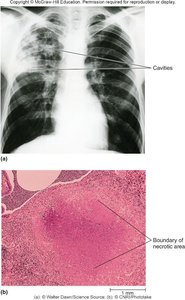
Legionnaire’s Disease
Legionnaire’s disease is a severe pneumonia caused by Legionella pneumophila, which survives inside macrophages. It is transmitted through aerosolized water droplets, not person-to-person.
Symptoms: Dry cough, fever, chills, confusion, possible death.
Treatment: Antibiotics with good tissue penetration.
Prevention: No vaccine; control of water systems to prevent aerosolization.
Viral Diseases of the Respiratory Tract
The Common Cold
The common cold is a mild, self-limiting viral infection of the upper respiratory tract. It is caused by a variety of viruses, including rhinoviruses and coronaviruses.
Symptoms: Sneezing, nasal congestion, mild sore throat.
Treatment: Symptomatic; no vaccine due to high variability (over 200 types).
Influenza (Flu)
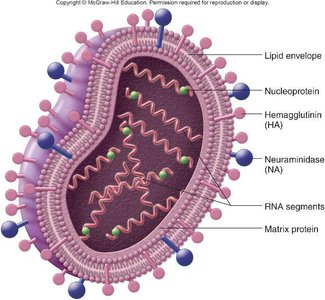
Influenza is a highly contagious viral infection caused by an enveloped, segmented RNA virus. It is characterized by fever, malaise, body aches, and cough.
Structure: 8 RNA segments, hemagglutinin (H) and neuraminidase (N) surface antigens.
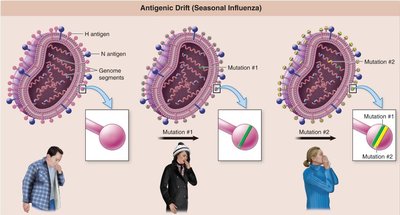
Antigenic drift: Minor mutations in H or N antigens cause seasonal flu variations.
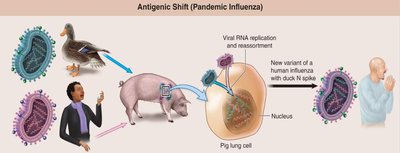
Antigenic shift: Major genetic reassortment when two viruses infect the same host, leading to pandemics.
Prevention: Annual vaccine targeting predicted prevalent strains.
Respiratory Syncytial Virus (RSV)
RSV is the leading cause of lower respiratory tract infections in young children. It causes cells to fuse into syncytia, leading to airway obstruction.
Symptoms: Runny nose, wheezing, difficulty breathing, croup (loud, high-pitched cough).
Treatment: Supportive; no effective vaccine or antiviral therapy.
Hantavirus Pulmonary Syndrome
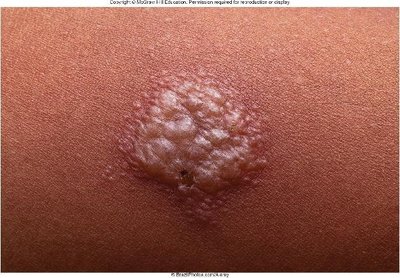
Hantavirus pulmonary syndrome is a severe respiratory disease caused by hantaviruses, transmitted through inhalation of dried rodent urine and feces.
Symptoms: Fever, muscle aches, nausea, vomiting, diarrhea, fluid-filled lungs, shock, and high mortality (~50%).
Prevention: Avoid contact with rodent excreta; no vaccine available.
Fungal Diseases of the Respiratory Tract
North American Blastomycosis
North American blastomycosis is a systemic fungal infection caused by Blastomyces dermatitidis. It begins as a lung infection and can spread to other organs.
Transmission: Inhalation of yeast-like spores from acidic soils.
Symptoms: Pneumonia-like symptoms initially; may progress to skin or tissue ulcers.
Treatment: Amphotericin B is effective.