 Back
BackInfectious Diseases Affecting the Gastrointestinal Tract
Study Guide - Smart Notes
 Tailored notes based on your materials, expanded with key definitions, examples, and context.
Overview of the Gastrointestinal Tract
Anatomical Features
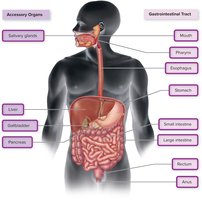
The gastrointestinal (GI) tract is a continuous tube extending from the mouth to the anus, responsible for digestion and absorption of nutrients. It consists of eight main sections: mouth, pharynx, esophagus, stomach, small intestine, large intestine, rectum, and anus. Four accessory organs—salivary glands, liver, gallbladder, and pancreas—add digestive fluids and enzymes to assist in processing food.
Natural Defenses of the GI Tract
Mucus Layer: Coats all intestinal surfaces, providing a physical barrier against pathogens.
Secretory IgA: Immunoglobulin found on most GI surfaces, neutralizing pathogens.
Peristalsis: Muscular contractions that move food and microorganisms through the tract, preventing colonization.
Saliva: Contains lysozyme and lactoferrin, both with antimicrobial properties.
Stomach Acid: Highly acidic environment destroys many ingested microbes.
Bile: Has antimicrobial effects, especially against certain bacteria.
Gut-Associated Lymphoid Tissue (GALT): Includes tonsils, adenoids, Peyer’s patches, and the appendix, providing immune surveillance and response.
Commensal Microbiota: Compete with pathogens and modulate immune responses.
Normal Biota of the Gastrointestinal Tract
Oral Cavity
Populated by over 600 species, including Streptococcus, Lactobacillus, Neisseria, Prevotella, Treponema, and Veillonella.
Fungi such as Candida albicans and several protozoa are also present.
Bacteria form dental plaque, a biofilm that adheres to teeth.
Stomach and Large Intestine
Stomach: Once thought sterile, now known to harbor species like Bacillus, Clostridium, Staphylococcus, and Streptococcus.
Large Intestine: Contains billions of microbes per gram, including Bacteroides, Bifidobacterium, Clostridium, Escherichia, Lactobacillus, and others, as well as fungi and protozoa.
Functions of Normal Biota
Protective: Outcompete pathogens for resources and attachment sites.
Digestive: Aid in digestion and synthesize nutrients (e.g., E. coli produces vitamin K).
Immune Education: Help train the immune system to recognize microbial antigens.
Influence Health: Microbiome composition can affect obesity and autoimmune disease risk.
Gastrointestinal Diseases Caused by Microorganisms
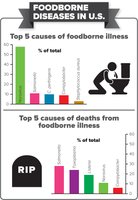
Foodborne diseases are primarily caused by bacteria (e.g., Salmonella, Campylobacter), viruses (e.g., Norovirus), and parasites. Norovirus is the leading cause of foodborne illness, while Salmonella is the leading cause of death from foodborne disease in the U.S.
Acute Diarrhea: Key Bacterial Pathogens
Salmonella
Motile, gram-negative rods, ferment glucose, produce hydrogen sulfide.
Commonly found in poultry, eggs, and other animal products.
Symptoms: Vomiting, diarrhea, fever, sometimes septicemia.
Virulence: Adherence to gut mucosa, endotoxin production.
Prevention: Avoid contaminated food; treatment is usually supportive.
Shigella
Nonmotile, gram-negative rods, human parasites.
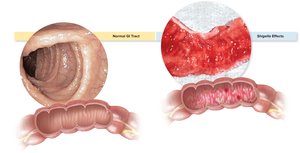
Symptoms: Frequent, watery stools, fever, intense abdominal pain, dysentery (blood and mucus in stool).
Virulence: Invades large intestine mucosa, produces Shiga toxin (inhibits protein synthesis, causes tissue damage).
Transmission: Fecal-oral, low infectious dose, common in crowded settings.
Prevention: Good hygiene; antibiotics only for severe cases.
Clostridioides difficile
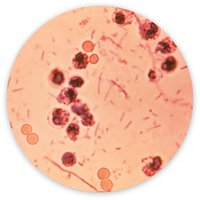
Gram-positive, endospore-forming rod, normal biota of the intestine.
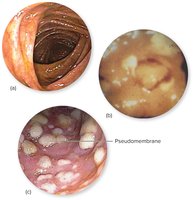
Causes pseudomembranous colitis, often after broad-spectrum antibiotic use.
Virulence: Toxins A and B cause necrosis and pseudomembrane formation.
Prevention: Infection control in healthcare settings; treatment includes metronidazole or vancomycin.
Protozoal and Viral Causes of Diarrhea
Cryptosporidium
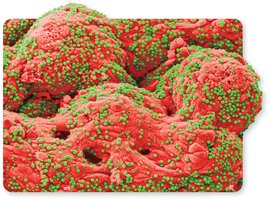
Intestinal protozoan, zoonotic, transmitted via contaminated water or food.
Symptoms: Gastroenteritis, severe in immunocompromised patients.
Oocysts are resistant to chlorine; filtration is required for water safety.
Giardia lamblia
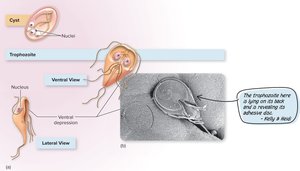
Flagellated protozoan, causes chronic diarrhea, abdominal pain, and flatulence.
Transmitted via cysts in contaminated water, food, or by direct contact.
Prevention: Avoid untreated water; treatment includes tinidazole or nitazoxanide.
Entamoeba histolytica
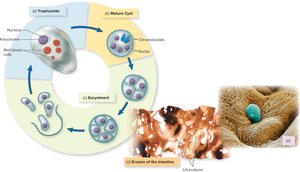
Amoebic parasite, causes amoebiasis (dysentery, abdominal pain, weight loss).
Transmission: Ingestion of cysts from contaminated food or water.
Can cause extraintestinal disease (liver abscesses).
Treatment: Metronidazole or paromomycin.
Oral Infections: Dental Caries and Periodontitis
Tooth and Gum Structure
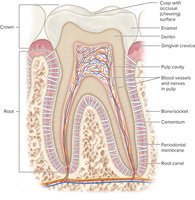
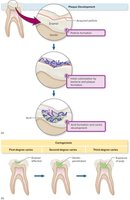
Dental Caries (Tooth Decay)
Caused by acid production from bacterial fermentation of carbohydrates (mainly Streptococcus mutans).
Progresses from enamel to dentin and pulp, leading to pain and infection.
Prevention: Limit sucrose, brush and floss regularly, use fluoride.
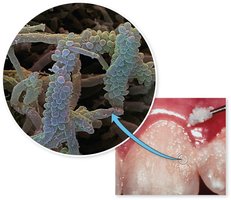
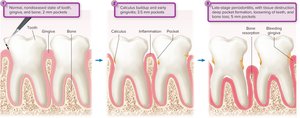
Periodontitis
Progression from gingivitis (gum inflammation) to periodontitis (destruction of supporting bone and tissue).
Caused by polymicrobial biofilms and calculus formation.
Prevention and treatment: Remove plaque/calculus, maintain oral hygiene, possible surgery or antibiotics.
Viral Diseases: Mumps
Mumps
Paramyxovirus infection, primarily affects children.
Symptoms: Fever, malaise, parotid gland swelling (parotitis), sometimes orchitis in males.
Prevention: MMR vaccine.

Helminthic Infections of the GI Tract
Helminth Diversity and Life Cycles
Three main groups: Nematodes (roundworms), Trematodes (flukes), Cestodes (tapeworms).
Transmission: Fecal-oral, skin penetration, or ingestion of infected meat.
Diagnosis: Ova and parasite (O&P) test, blood eosinophilia, serology.
Treatment: Antihelminthic drugs; no vaccines available.
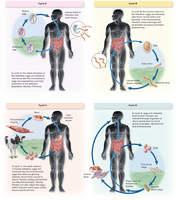
Key Helminthic Diseases
Enterobius vermicularis (Pinworm): Most common in children, causes anal itching.
Trichuris trichiura (Whipworm): Causes dysentery, rectal prolapse in severe cases.
Diphyllobothrium latum (Fish Tapeworm): Acquired from raw fish, can cause long-term symptoms.
Hymenolepis species (Dwarf/Rat Tapeworm): Common worldwide, especially in children.
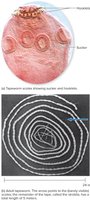
Taenia solium (Pork Tapeworm): Causes cysticercosis when eggs are ingested, can lead to neurocysticercosis.
Schistosomiasis
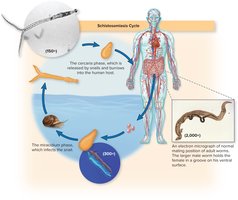
Caused by Schistosoma species (blood flukes).
Symptoms: Liver disease, hepatomegaly, splenomegaly, chronic inflammation.
Transmission: Skin penetration by cercariae from freshwater snails.
Prevention: Avoid contaminated water; treatment with praziquantel.
Summary Table: Infectious Diseases Affecting the GI Tract
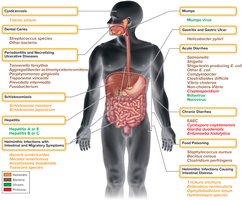
This table summarizes the main pathogens, diseases, and affected regions of the GI tract, including bacteria, viruses, protozoa, and helminths.
