 Back
BackInnate Immunity: Nonspecific Defenses of the Host
Study Guide - Smart Notes
 Tailored notes based on your materials, expanded with key definitions, examples, and context.
Innate Immunity: Nonspecific Defenses of the Host
The Concept of Immunity
Immunity refers to the ability of an organism to resist infection or disease. The immune system is divided into two main branches: innate immunity and adaptive immunity. Innate immunity provides immediate, nonspecific defense against pathogens, while adaptive immunity targets specific pathogens and develops over time.
Susceptibility: Lack of resistance to a disease.
Immunity: Ability to ward off disease.
Innate immunity: Defenses against any pathogen; present from birth.
Adaptive immunity: Immunity or resistance to a specific pathogen; acquired after exposure.
Overview of the Body’s Defenses
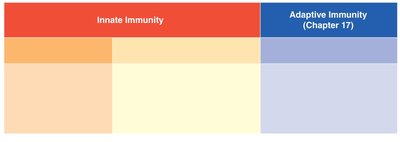
The body’s defenses are organized into three lines:
First line of defense: Physical and chemical barriers such as skin, mucous membranes, and normal microbiota.
Second line of defense: Cellular and chemical responses including phagocytes, inflammation, fever, and antimicrobial substances.
Third line of defense: Specialized lymphocytes (T cells and B cells) and antibodies (adaptive immunity).
First Line of Defense: Skin and Mucous Membranes
Physical Factors
The first line of defense consists of physical barriers that prevent pathogen entry.
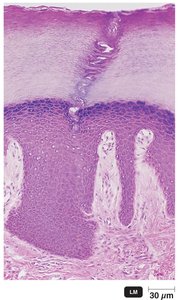
Skin: The epidermis is composed of tightly packed cells containing keratin, a protective protein that resists microbial invasion.
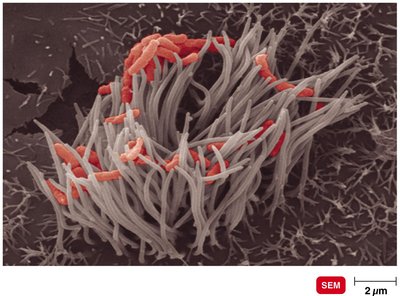
Mucous membranes: Line the gastrointestinal, respiratory, and genitourinary tracts. Mucus traps microbes, and the ciliary escalator moves trapped particles out of the respiratory tract.
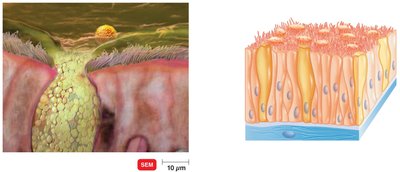
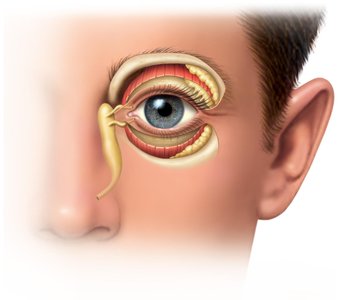
Lacrimal apparatus: Produces tears that wash microbes from the eyes.
Saliva: Washes microbes from the mouth.
Urine and vaginal secretions: Flow out, removing microbes from the urinary and reproductive tracts.
Chemical Factors
Chemical barriers enhance the effectiveness of physical barriers.
Sebum: Contains fungistatic fatty acids.
Low pH: Skin (pH 3–5), gastric juice (pH 1.2–3.0), and vaginal secretions (pH 3–5) inhibit microbial growth.
Lysozyme: Enzyme present in perspiration, tears, saliva, and urine that breaks down bacterial cell walls.
Normal Microbiota and Innate Immunity
Normal microbiota play a protective role by competing with pathogens (microbial antagonism) and altering the environment. Some are commensal (benefit without harming the host), but may become opportunistic pathogens under certain conditions.
Second Line of Defense
Formed Elements in Blood
The second line of defense involves cellular components found in blood, including erythrocytes, leukocytes, and platelets.
Type | Function |
|---|---|
Erythrocytes (Red Blood Cells) | Transport O2 and CO2 |
Leukocytes (White Blood Cells) | Immune defense |
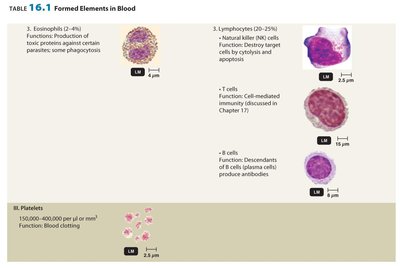
Platelets | Blood clotting |
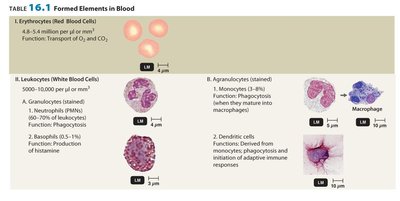
Neutrophils: 60–70% of WBCs; phagocytic.
Basophils: 0.5–1%; produce histamine.
Eosinophils: 2–4%; toxic to parasites, some phagocytosis.
Monocytes: 3–8%; mature into macrophages.
Lymphocytes: 20–25%; include T cells, B cells, and NK cells.
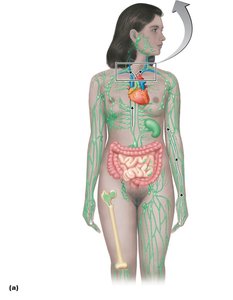
The Lymphatic System
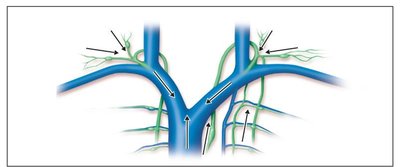
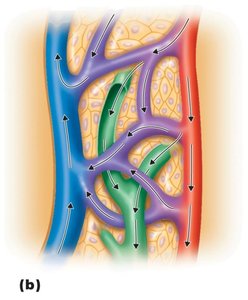
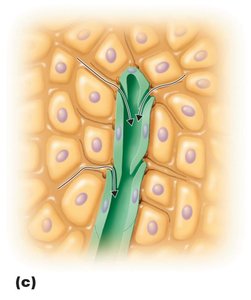
The lymphatic system is essential for immune function, transporting lymph and housing immune cells.
Lymphatic vessels: Collect interstitial fluid and return it to the bloodstream.
Lymph nodes: Filter lymph and house lymphocytes.
Organs: Spleen, thymus, tonsils, Peyer’s patches.
Phagocytosis
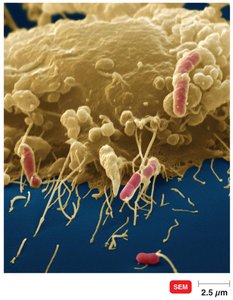
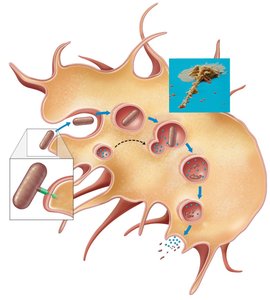
Phagocytosis is the ingestion of microbes or particles by phagocytes such as neutrophils and macrophages.
Phagocytes: Include neutrophils, fixed macrophages, and wandering macrophages.
Mechanism: Involves chemotaxis, adherence, ingestion, digestion, and discharge of waste.
Oxidative burst: Production of reactive oxygen species (e.g., H2O2) to kill ingested microbes.
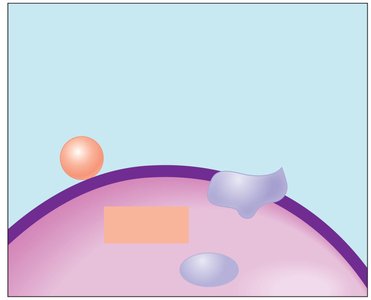
Microbial evasion: Some pathogens evade phagocytosis by inhibiting adherence, killing phagocytes, escaping the phagosome, or surviving in phagolysosomes.
Inflammation
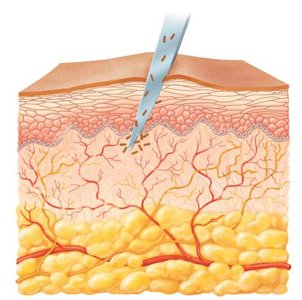
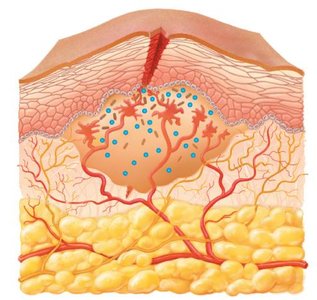
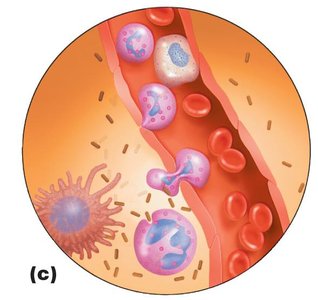
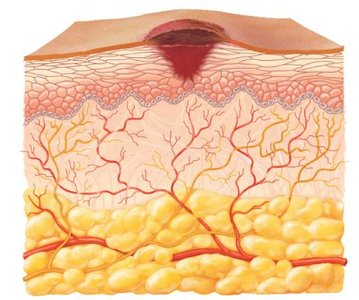
Inflammation is a local response to tissue injury, characterized by redness, swelling, pain, and heat. It involves the activation of acute-phase proteins, vasodilation, and increased vascular permeability.
Chemicals released: Histamine, kinins, prostaglandins, leukotrienes, and cytokines.
Phagocyte migration: Margination, diapedesis, and phagocytosis at the site of injury.
Tissue repair: Restoration of tissue structure and function after inflammation subsides.
Fever
Fever is an abnormally high body temperature, often caused by infection. It is triggered by the release of interleukin-1 (IL-1) from phagocytes in response to endotoxins, which causes the hypothalamus to reset the body’s temperature set point.
Benefits: Inhibits microbial growth, increases metabolism, and enhances immune responses.
Resolution: Vasodilation and sweating lower the body temperature (crisis phase).
Antimicrobial Substances
The Complement System
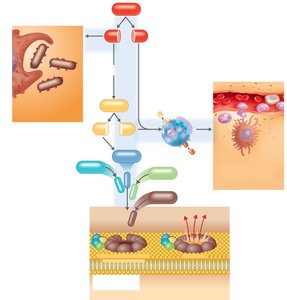
The complement system consists of serum proteins that enhance immune responses through a cascade of activation. It can be triggered by antigen-antibody complexes (classical pathway), microbial surfaces (alternative pathway), or lectin binding (lectin pathway).
C3b: Opsonization (enhances phagocytosis).
C3a and C5a: Inflammation (attract phagocytes, stimulate histamine release).
C5b, C6, C7, C8, C9: Form the membrane attack complex (MAC), causing cell lysis.
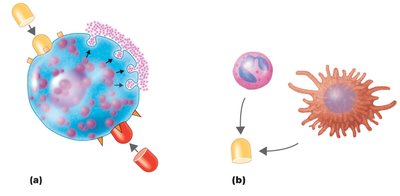
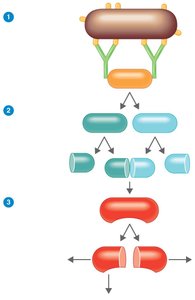
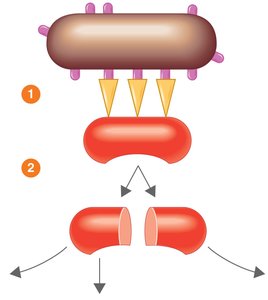

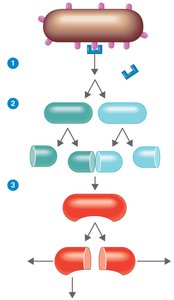

Bacterial evasion: Capsules, surface lipid-carbohydrate complexes, and enzymatic digestion of C5a can help bacteria evade complement-mediated destruction.
Interferons (IFNs)
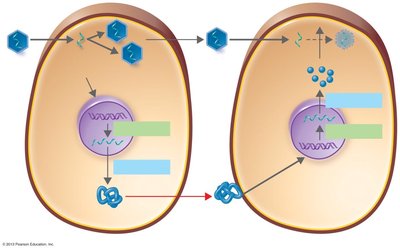
Interferons are cytokines that interfere with viral replication and modulate immune responses.
IFN-α and IFN-β: Induce production of antiviral proteins in neighboring cells, inhibiting viral replication.
IFN-γ: Activates neutrophils and macrophages to enhance phagocytosis of bacteria.
Other Antimicrobial Substances
Transferrins: Bind serum iron, limiting bacterial growth.
Antimicrobial peptides: Small proteins that lyse bacterial cells and inhibit microbial growth.
