 Back
BackIntroduction to Eukaryotic Cells: Structure, Function, and Classification
Study Guide - Smart Notes
 Tailored notes based on your materials, expanded with key definitions, examples, and context.
Overview of Eukaryotes
Introduction
Eukaryotic cells are complex cellular structures that form the basis of plants, animals, fungi, and protists. This chapter explores their evolutionary origins, structural features, mechanisms of cell division, transport processes, and classification.
The Endosymbiotic Theory and Evolution of Eukaryotes
Endosymbiotic Theory
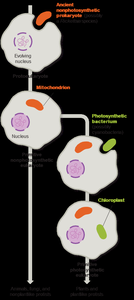
The endosymbiotic theory explains the origin of eukaryotic cells as a result of symbiotic relationships between ancient prokaryotic cells. According to this theory, mitochondria and chloroplasts originated from free-living bacteria that were engulfed by ancestral eukaryotic cells.
Prokaryotes evolved ~3.5 billion years ago; eukaryotes evolved ~2.5 billion years ago.
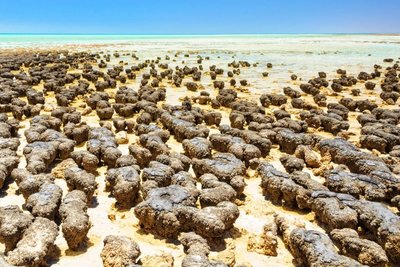
Stromatolites are fossilized microbial mats that provide evidence of early life on Earth.
Mitochondria evolved from engulfed non-photosynthetic prokaryotes; chloroplasts from photosynthetic prokaryotes (e.g., cyanobacteria).
Evidence: mitochondria and chloroplasts have their own circular DNA, 70S ribosomes, double membranes, similar size to bacteria, replicate by binary fission, and possess genes resembling bacterial genes.
Eukaryotic Cell Structure and Comparison with Prokaryotes
Key Differences
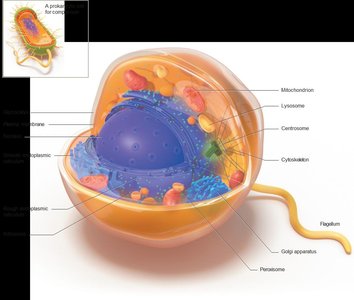
Eukaryotic cells are generally larger and more complex than prokaryotic cells, with distinct membrane-bound organelles and a defined nucleus.
Organisms: Eukaryotes include plants, animals, fungi, and protists; prokaryotes include bacteria and archaea.
Cell Size: Eukaryotes are usually much larger.
Genetic Material: Eukaryotes have multiple linear chromosomes; prokaryotes usually have a single circular chromosome.
Organelles: Eukaryotes possess membrane-bound organelles (e.g., nucleus, mitochondria, chloroplasts).
Cell Division: Eukaryotes divide by mitosis and meiosis; prokaryotes by binary fission.
Cell Division in Eukaryotes
Mitosis and Meiosis
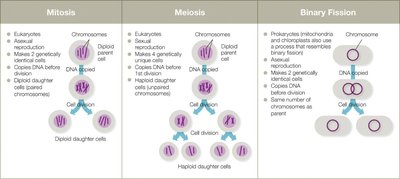
Eukaryotic cells can reproduce asexually (mitosis) or sexually (meiosis). Mitosis produces genetically identical cells, while meiosis generates genetically diverse gametes.
Mitosis: One parent cell produces two identical daughter cells, maintaining chromosome number.
Meiosis: One parent cell produces four haploid gametes, introducing genetic variation through crossing over.
Binary Fission: Prokaryotes and some organelles (mitochondria, chloroplasts) divide by binary fission.
Transport Mechanisms in Eukaryotic Cells
Endocytosis and Exocytosis
Eukaryotic cells use specialized mechanisms to import and export materials.
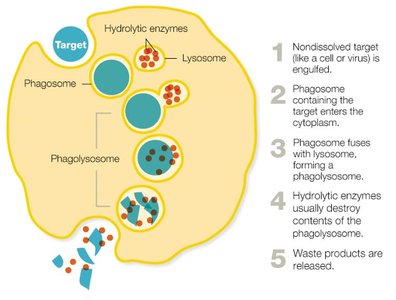
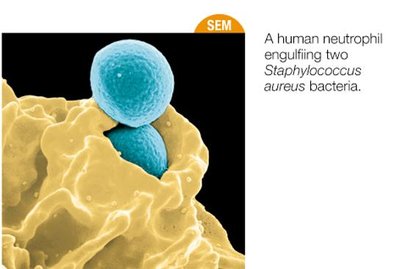
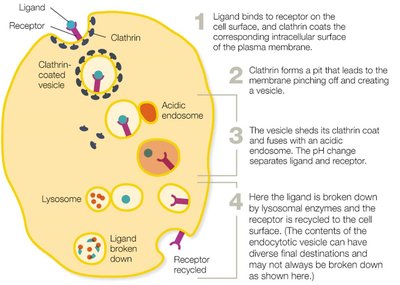
Endocytosis: The plasma membrane engulfs external substances, forming vesicles. Types include pinocytosis (cell drinking), phagocytosis (cell eating), and receptor-mediated endocytosis.
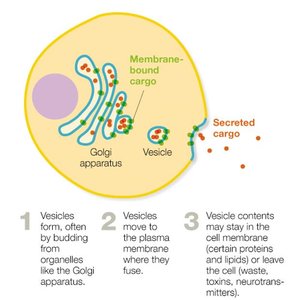
Exocytosis: Vesicles fuse with the plasma membrane to release contents outside the cell.
Classification of Eukaryotes
Four Kingdoms of Eukaryotes
Eukaryotic organisms are classified into four kingdoms: Animalia, Plantae, Fungi, and Protista. Each kingdom has unique structural and functional characteristics.
Animalia: Multicellular, no cell wall, heterotrophic, includes parasitic helminths and arthropods.
Plantae: Multicellular, cell wall (cellulose), photosynthetic, contain chloroplasts.
Fungi: Mostly multicellular (except yeasts), cell wall (chitin), absorb nutrients, include pathogens and saprobes.
Protista: Diverse group, unicellular or multicellular, autotrophic or heterotrophic, some have cell walls.
Parasitic Helminths
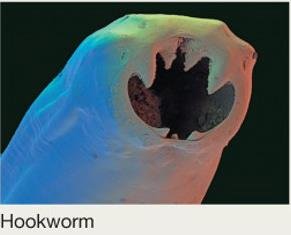
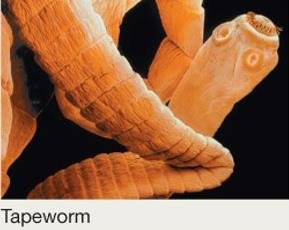
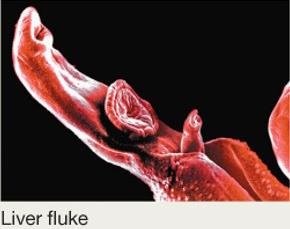
Helminths are parasitic worms classified as roundworms (nematodes) and flatworms (tapeworms and flukes). They have complex life cycles and are significant human pathogens.
Phylum | Structure | Examples | Transmission |
|---|---|---|---|
Roundworms (Nematodes) | Non-segmented, cylindrical | Hookworm, pinworm, Ascaris | Fecal/oral, skin penetration |
Flatworms (Tapeworms) | Segmented, ribbon-like | Taenia, Diphyllobothrium | Fecal/oral, undercooked meat |
Flatworms (Flukes) | Leaf-shaped, non-segmented | Schistosoma, Fasciola | Waterborne, snail hosts |
Fungi
Fungi are eukaryotic organisms that absorb nutrients from their environment. They can be unicellular (yeasts) or multicellular (molds, mushrooms). Fungi are classified by their hyphal structure and spore type.
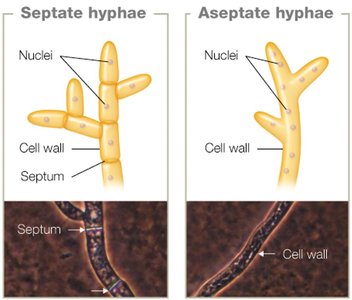
Hyphae: Tubular structures; septate (with divisions) or aseptate (without divisions).
Dimorphic fungi: Can switch between yeast and hyphal forms.
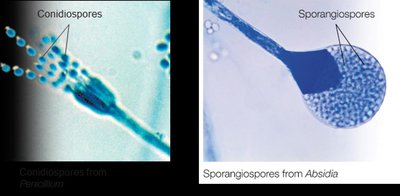
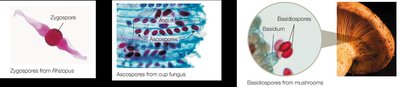
Spores: Asexual (conidiospores, sporangiospores) or sexual (zygospores, ascospores, basidiospores).
Fungal Diseases (Mycoses)
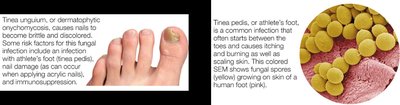
Mycoses are diseases caused by fungi. They often affect immunocompromised individuals or those with disrupted microbiota. Dermatophytes cause skin, hair, and nail infections (tinea).
Protists and Protozoans
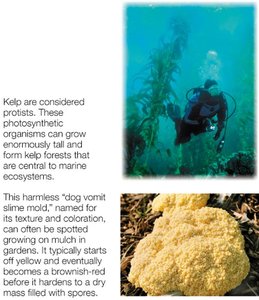
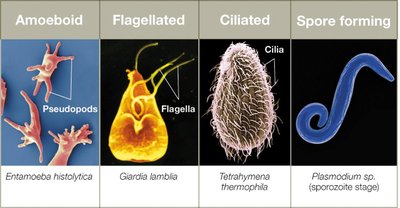
Protists are a diverse group of eukaryotes, including algae, slime molds, and protozoans. Protozoans are classified by their motility: amoeboid (pseudopods), flagellated (flagella), ciliated (cilia), and spore-forming (gliding).
Extracellular Structures of Eukaryotes
Plasma Membrane and Cell Wall
All eukaryotes have a plasma membrane composed of a phospholipid bilayer with sterols. Some eukaryotes (plants, fungi, certain protists) have a cell wall for structural support, but it lacks peptidoglycan.
Glycocalyx, Flagella, and Cilia
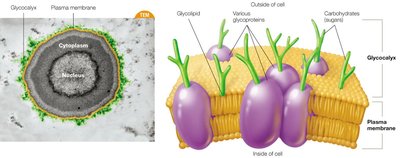
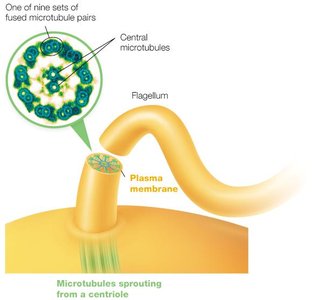
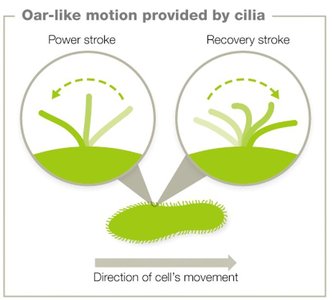
The glycocalyx is a sticky extracellular layer involved in protection, adhesion, and communication. Eukaryotic flagella and cilia are used for motility and have a characteristic 9+2 microtubule arrangement.
Intracellular Structures of Eukaryotes
Ribosomes
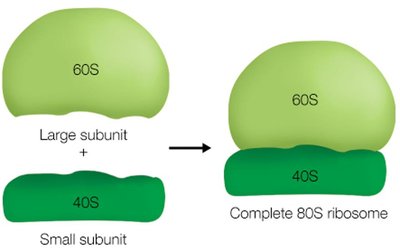
Eukaryotic ribosomes (80S) are composed of 40S and 60S subunits and are found free in the cytoplasm or bound to the endoplasmic reticulum. Mitochondria and chloroplasts contain 70S ribosomes, similar to prokaryotes.
Cytoskeleton
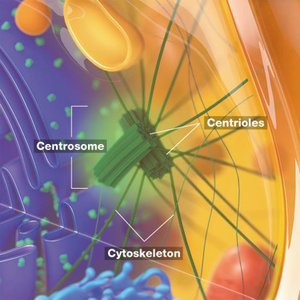
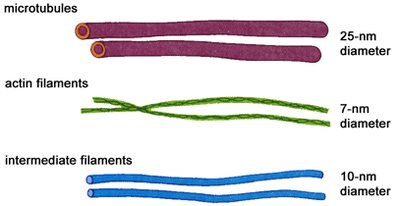
The cytoskeleton is a network of protein fibers (microtubules, intermediate filaments, microfilaments) that maintains cell shape, enables movement, and organizes intracellular transport.
Nucleus
The nucleus houses DNA, organized as chromatin, and is surrounded by a double-membrane nuclear envelope with nuclear pores. The nucleolus is the site of ribosome assembly.
Endoplasmic Reticulum (ER)
The ER is a network of membranes involved in protein and lipid synthesis. Rough ER is studded with ribosomes and modifies proteins; smooth ER is involved in lipid production and detoxification.
Golgi Apparatus
The Golgi apparatus modifies, sorts, and packages proteins and lipids for secretion or delivery to other organelles.
Vesicles and Vacuoles
Vesicles are small membrane-bound sacs for transport and storage. Lysosomes contain hydrolytic enzymes for digestion; peroxisomes break down fatty acids and detoxify harmful substances. Vacuoles are larger storage organelles, especially prominent in plants and fungi.
Mitochondria and Chloroplasts
Mitochondria generate ATP and have their own DNA and 70S ribosomes. Chloroplasts, found in photosynthetic eukaryotes, harvest light energy and also contain their own DNA and ribosomes.
Visual Summary
This chapter provides a comprehensive overview of eukaryotic cell structure, function, and classification, highlighting the evolutionary origins, cellular complexity, and diversity of eukaryotic life.
