Back
BackIntroduction to Microbial Life: Diversity, Roles, and Advances in Microbiology
Study Guide - Smart Notes
 Tailored notes based on your materials, expanded with key definitions, examples, and context.
Microbial Life: An Overview
What is a Microbe?
Microbes, or microorganisms, are tiny living entities that are too small to be seen with the naked eye and require a microscope for observation. They are found everywhere on Earth, including soil, water, air, surfaces, and within the bodies of living organisms.
Major Categories of Microbes
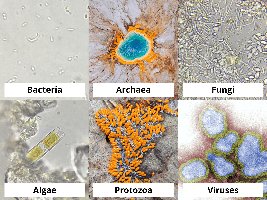
Microbes are classified into several major groups based on their cellular structure and function:
Bacteria: Single-celled prokaryotes with cell walls, some beneficial and others pathogenic.
Archaea: Single-celled prokaryotes distinct from bacteria, often found in extreme environments.
Fungi: Eukaryotic organisms that can be unicellular (yeasts) or multicellular (molds, mushrooms), with cell walls containing chitin.
Algae: Photosynthetic eukaryotes, mostly aquatic, lacking true roots, stems, and leaves.
Protozoa: Single-celled eukaryotes capable of movement, some of which are pathogenic.
Viruses: Non-cellular entities consisting of genetic material within a protein coat, requiring host cells for replication.
Cellular Organization: Prokaryotes vs. Eukaryotes
Prokaryotes
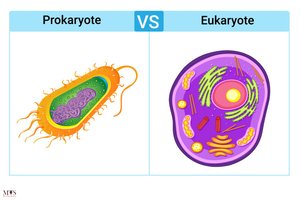
Prokaryotes are organisms whose genetic material is not enclosed within a membrane-bound nucleus. This group includes bacteria and archaea. They are generally simpler in structure compared to eukaryotes.
Eukaryotes
Eukaryotes possess a true nucleus surrounded by a membrane and contain various membrane-bound organelles. This group includes fungi, algae, protozoa, and all multicellular organisms.
Detailed Microbial Groups
Bacteria
Bacteria are single-celled prokaryotes with diverse metabolic capabilities. Their cell walls are typically composed of peptidoglycan. Bacteria play essential roles in health (e.g., gut microbiota), industry (e.g., fermentation), and disease (pathogens).

Archaea
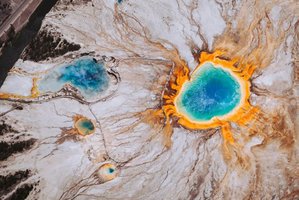
Archaea are single-celled prokaryotes that differ from bacteria in cell wall composition and membrane lipids. Many archaea are extremophiles, thriving in high temperature, salinity, or acidity, but not all are extremophiles. No archaea are known to cause human disease.
Fungi
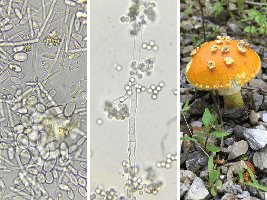
Fungi can be unicellular (yeasts) or multicellular (molds, mushrooms). Their cell walls contain chitin. Fungi are crucial for decomposition and fermentation. Mushrooms, though macroscopic, are the fruiting bodies of fungi and are sometimes considered honorary microbes.
Algae
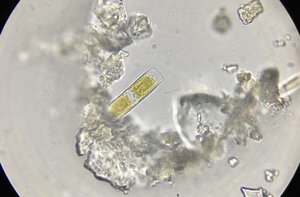
Algae are photosynthetic eukaryotes found mainly in aquatic environments. They lack true roots, stems, and leaves. Microalgae are unicellular, while some algae are macroscopic. Cyanobacteria, often called "blue-green algae," are actually bacteria.
Protozoa
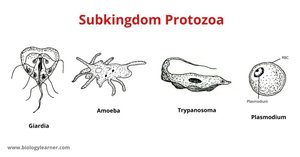
Protozoa are single-celled eukaryotes that move using pseudopods, cilia, or flagella. They include organisms such as amoebas and can cause diseases like malaria.
Viruses
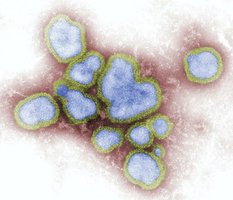
Viruses are acellular entities composed of genetic material (DNA or RNA) within a protein coat, sometimes with a lipid envelope. They cannot replicate independently and must infect host cells. Their non-cellular nature excludes them from prokaryote/eukaryote classification.
Microbial Communities and Microbiomes
Definition and Examples
A microbial community consists of different microorganisms living and interacting in the same environment. These communities are found in diverse habitats, including the human body, soil, oceans, and fermented foods.
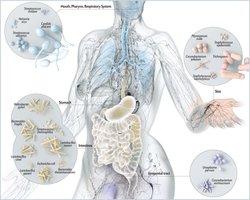
Human Microbiome
The human microbiome includes bacteria, archaea, fungi, and viruses living in and on the body. These microbes are essential for immunity, metabolism, and overall health.
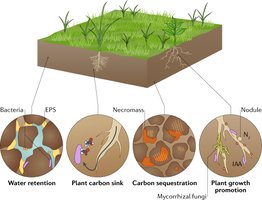
Soil Microbiome
Soil contains rich microbial communities that drive nutrient cycling, plant health, and ecosystem functioning. Microbes in the rhizosphere (root zone) are especially important for plant growth.
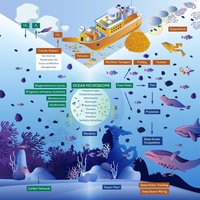
Marine Microbiome
Marine environments host diverse microbial communities, including bacteria, archaea, and algae, which play key roles in global biogeochemical cycles.
Fermented Foods
Fermented foods are produced by microbial communities of bacteria, yeasts, and molds, which work together to transform raw ingredients into products like yogurt, cheese, and bread.

Microbes and Human History
Impact of Infectious Diseases
Pathogenic microbes have shaped human history by causing epidemics (e.g., Black Death, smallpox, influenza, cholera), influencing demographics, military outcomes, and societal changes. The introduction of new pathogens during colonization led to devastating effects on indigenous populations.
Role of the Human Microbiome
Human-associated microbial communities have been crucial for nutrition, immunity, and adaptation, influencing human survival and evolution.
Key Discoveries in Microbiology
Discovery of Microorganisms
Antonie van Leeuwenhoek was the first to observe and document microorganisms in the 17th century using a microscope, revealing a previously invisible world.

Refutation of Spontaneous Generation
Louis Pasteur's experiments in the 1860s disproved spontaneous generation, showing that microbes in the air cause decay and fermentation. This laid the foundation for the germ theory of disease.

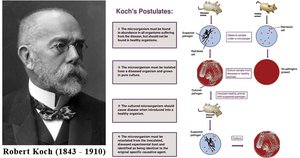
Germ Theory and Koch’s Postulates
Pasteur and Robert Koch established the germ theory, which states that specific microbes cause specific diseases. Koch developed postulates to link a microbe to a disease, which remain fundamental in medical microbiology.
Environmental Roles of Microbes
Nutrient Cycling and Nitrogen Fixation
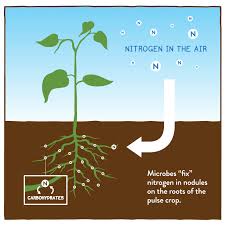
Microbes decompose organic matter, recycle nutrients, and perform nitrogen fixation—converting atmospheric nitrogen into forms usable by plants, which is essential for ecosystem productivity.
Climate Regulation
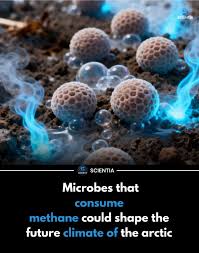
Microbes regulate Earth's climate by producing and consuming greenhouse gases such as methane (CH4) and nitrous oxide (N2O). Their activities can either contribute to or mitigate global warming.
Soil Formation and Carbon Sequestration
Microbes build soil structure, release nutrients, and help sequester carbon, making soil a major carbon sink and supporting long-term ecosystem health.
Bioremediation
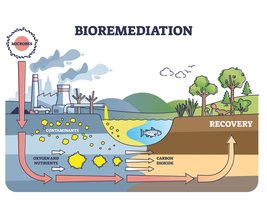
Some microbes can degrade pollutants, such as oil spills, by breaking down hydrocarbons and converting them into less harmful substances. This process is known as bioremediation.
Genomic Basis of Microbial Phylogeny
DNA Sequencing and Phylogenetic Analysis
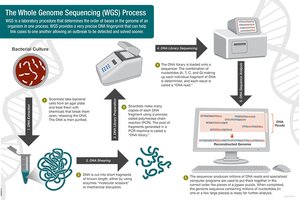
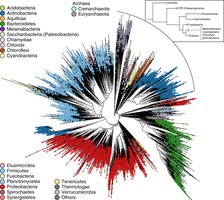
Microbial relationships are determined by comparing DNA sequences, especially the 16S rRNA gene for bacteria and archaea. Whole-genome sequencing (WGS) now allows for more detailed and accurate phylogenetic analysis.
Single Nucleotide Polymorphisms (SNPs)
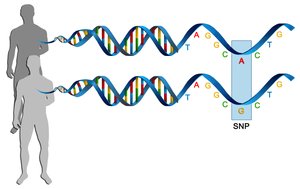
SNPs are single-letter differences in DNA that help distinguish closely related microbial strains, especially useful in tracking outbreaks.
Core Gene Analysis and Horizontal Gene Transfer
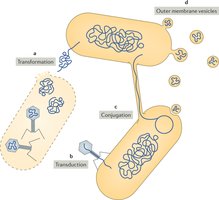
Comparing core genes shared by all members of a group improves phylogenetic accuracy. Horizontal gene transfer (HGT) complicates microbial evolution, as genes can be exchanged between unrelated organisms, creating a network-like evolutionary history.
Metagenomics
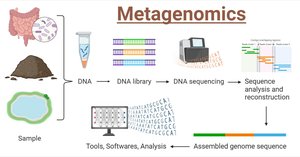
Metagenomics involves sequencing DNA directly from environmental samples, allowing the study of unculturable microbes and entire microbial communities.
Advances in Cell and Molecular Biology
Expansion of the Microbial Tree of Life
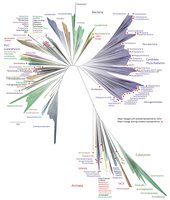
16S rRNA gene sequencing revealed the vast diversity of microbes and identified Archaea as a separate domain. Culture-independent methods like metagenomics have uncovered the majority of microbial diversity that cannot be grown in the lab.
Understanding Microbial Communities (Microbiomes)
Multi-omics approaches (DNA, RNA, proteins, metabolites) allow scientists to study the structure and function of entire microbial communities, shifting the view of microbes from pathogens to essential ecosystem partners.
Advanced Diagnostics and Functional Insights
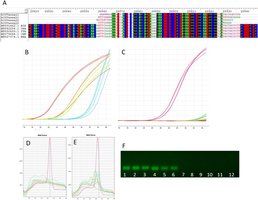
Modern tools such as PCR, DNA sequencing, and CRISPR-based diagnostics enable rapid and accurate detection of pathogens, antibiotic resistance, and new virus strains.
Genetic Engineering and Functional Studies
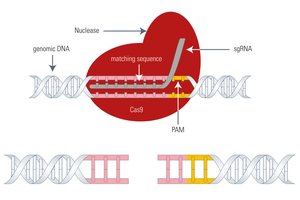
Techniques like CRISPR-Cas9 allow precise editing of microbial genes, facilitating studies of gene function and basic cellular processes such as DNA replication, gene regulation, and DNA repair.
Advanced Microscopy
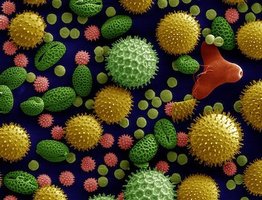
Improvements in microscopy and fluorescent labeling have enabled detailed visualization of microbes and their interactions in real time and in complex environments.