Back
BackIntroduction to Microbiology: Foundations, Classification, and Laboratory Techniques
Study Guide - Smart Notes
 Tailored notes based on your materials, expanded with key definitions, examples, and context.
Introduction to Microbiology
Definition and Scope
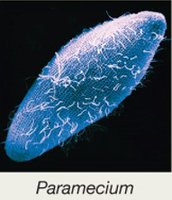
Microbiology is the study of microorganisms, or microbes, which are typically too small to be seen with the naked eye. This field encompasses a wide range of organisms, including bacteria, archaea, fungi, protists, helminths, viruses, and prions. Microbiology is foundational to healthcare, agriculture, industry, and environmental sciences.
Microorganisms include both cellular (bacteria, archaea, fungi, protists, helminths) and noncellular entities (viruses, prions).
Microbes inhabit nearly every environment on Earth, from deep-sea trenches to glaciers.
Humans rely on microbes for food production, medication synthesis, and environmental remediation.
Pathogens and Disease
Pathogens are microbes that cause disease. Less than 1% of all microbes are pathogenic to humans. Some are always pathogenic, while others are opportunistic, causing disease only in weakened hosts.
A Brief History of Microbiology
Key Historical Figures and Discoveries
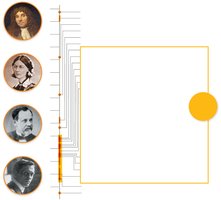
Robert Hooke: First to publish descriptions of cells (mid-1600s).
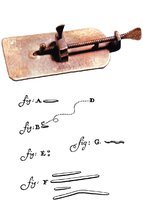
Antonie van Leeuwenhoek: Improved microscopes and first observed bacteria.
Louis Pasteur: Disproved spontaneous generation, developed pasteurization, and created vaccines for anthrax and rabies.
Robert Koch: Developed techniques for isolating bacteria and established Koch’s postulates, foundational to the germ theory of disease.
Ignaz Semmelweis: Advocated handwashing to prevent childbed fever.
Joseph Lister: Introduced aseptic techniques in surgery.
Florence Nightingale: Established aseptic practices in nursing.
Spontaneous Generation vs. Biogenesis
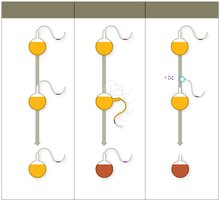
Historically, scientists debated whether life arose spontaneously from nonliving matter (spontaneous generation) or from existing life (biogenesis). Pasteur’s experiments with S-necked flasks provided strong evidence for biogenesis.
Germ Theory of Disease and Koch’s Postulates
The germ theory of disease posits that microbes cause infectious diseases. Koch’s postulates provide a systematic method for linking a specific microbe to a specific disease:
The same organism must be present in every case of the disease.
The organism must be isolated and grown as a pure culture.
The isolated organism should cause the same disease when introduced into a healthy host.
The organism must be re-isolated from the experimentally infected host.
Aseptic Techniques in Healthcare
Aseptic techniques are essential for preventing healthcare-associated infections (HAIs). Key practices include handwashing, wearing gloves, sterilizing instruments, and decontaminating surfaces.
The Scientific Method in Microbiology
Principles and Application
The scientific method involves making observations, forming hypotheses, collecting data, and drawing conclusions.
Observation: Data collected using senses or instruments.
Conclusion: Interpretation of observations.
Scientific Law: Predicts what happens (often mathematical).
Scientific Theory: Explains how and why something happens, supported by extensive evidence.
Classifying Microbes and Their Interactions
Taxonomy and Nomenclature
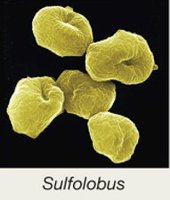
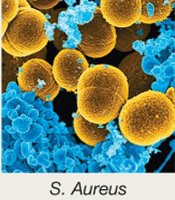
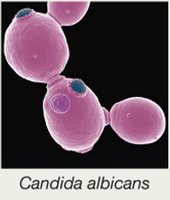
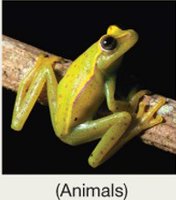
Taxonomy is the science of classifying organisms based on shared features. The taxonomic hierarchy ranges from domain to species:
Domain
Kingdom
Phylum
Class
Order
Family
Genus
Species
Scientific names use binomial nomenclature (Genus species, e.g., Escherichia coli).

Strains and Species
Strain: Genetic variant of a species, often denoted by numbers/letters (e.g., E. coli K-12).
Eukaryotic species: Organisms that can sexually reproduce together.
Prokaryotic species: Cells with at least 70% DNA similarity and 97% 16S rRNA sequence similarity.
Symbiotic Relationships
Parasitism: Microbe harms the host.
Mutualism: Both host and microbe benefit.
Commensalism: Microbe benefits, host is unaffected.
Normal Microbiota and the Human Microbiome
The normal microbiota (flora) includes bacteria, archaea, and eukaryotic microbes that inhabit various body sites. They play roles in immune training, vitamin production, digestion, and possibly mood regulation.
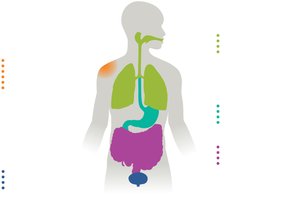
Normal microbiota can include potential pathogens, but usually protect against infection by outcompeting harmful microbes.
Disruption (e.g., by antibiotics) can lead to opportunistic infections.
Transient microbiota are temporary and removed by hygiene.
Microbes and Human Evolution
Microbes have influenced human evolution, such as the relationship between malaria and the sickle cell gene.
Biofilms
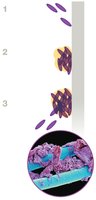
Biofilms are structured microbial communities attached to surfaces and encased in a protective matrix. They are highly resistant to antibiotics and immune responses.
Biofilms can form on teeth, medical devices, and water systems.
Responsible for 60–80% of human infectious diseases.
Environmental and Industrial Uses
Microbes are used in bioremediation to degrade environmental pollutants, such as oil spills.
Growing, Staining, and Viewing Microbes
Culture Media and Aseptic Technique
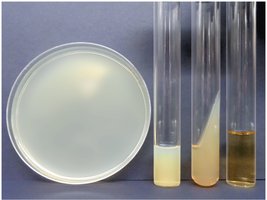
Microbes are grown in laboratory media (broths, plates, slants, deeps) containing nutrients. Aseptic technique prevents contamination.
Streak Plate and Pure Cultures
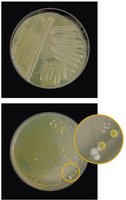
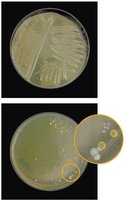
The streak plate technique isolates single colonies from mixed cultures, allowing for the study of pure strains.
Staining Techniques
Simple stains: Use one dye to reveal cell shape, size, and arrangement.
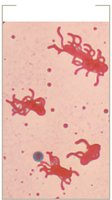
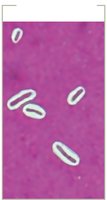
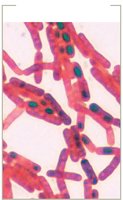
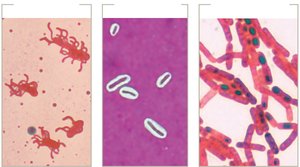
Structural stains: Highlight specific structures (flagella, capsules, endospores).
Differential stains: Distinguish between cell types (e.g., Gram stain, acid-fast stain).
Gram Stain
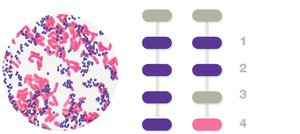
The Gram stain differentiates bacteria based on cell wall structure:
Gram-positive: Thick peptidoglycan, stains purple.
Gram-negative: Thin peptidoglycan, outer membrane, stains pink.
Acid-Fast Stain
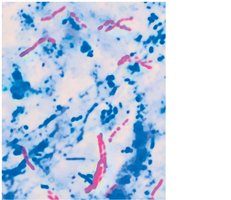
Distinguishes bacteria with waxy cell walls (e.g., Mycobacterium) from those without. Acid-fast bacteria retain red dye after acid wash; non–acid-fast do not.
Microscopy in Microbiology
Light Microscopy
Light microscopes use visible light and lenses to magnify specimens. The compound light microscope is most common.
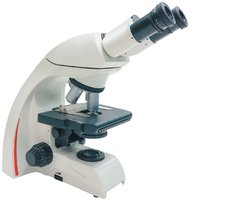
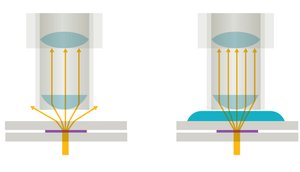
Resolution: Ability to distinguish two points as separate (about 200 nm for light microscopes).
Oil immersion: Used to improve resolution at high magnification by reducing light refraction.
Types of Light Microscopy
Bright field
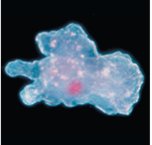
Dark field
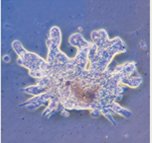
Phase contrast
Differential interference contrast
Electron Microscopy
Electron microscopes use electron beams for much higher resolution and magnification than light microscopes.
Transmission Electron Microscopy (TEM): Electrons pass through thin specimens, revealing internal structures (2D images).
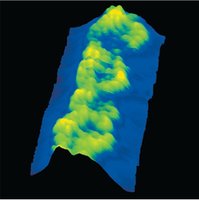
Scanning Electron Microscopy (SEM): Electrons scan the surface, producing detailed 3D images.
Fluorescence Microscopy
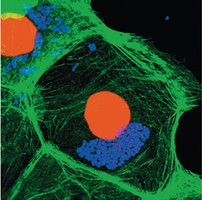
Uses fluorescent dyes (fluorochromes) that emit visible light when excited by UV light. Immunofluorescence uses antibodies linked to fluorochromes for specific detection of microbes.
Visual Summary