 Back
Introduction to Microbiology: Foundations, Types, and Impact of Microorganisms
Study Guide - Smart Notes
 Tailored notes based on your materials, expanded with key definitions, examples, and context.
Introduction to Microbiology
Definition and Scope
Microbiology is a specialized branch of biology that studies microscopic life forms, known as microbes, which are not readily observed without magnification. The field encompasses various sub-disciplines, including Bacteriology (study of bacteria), Mycology (study of fungi), Microbial genetics, Virology (study of viruses), and Microbial ecology.
Microbe: Microscopic organism, including bacteria, viruses, fungi, protozoa, algae, and helminths.
Branches of Microbiology: Bacteriology, Mycology, Microbial genetics, Virology, Microbial ecology.
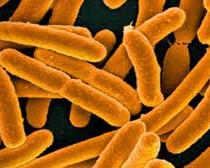
Size and Diversity of Microbes
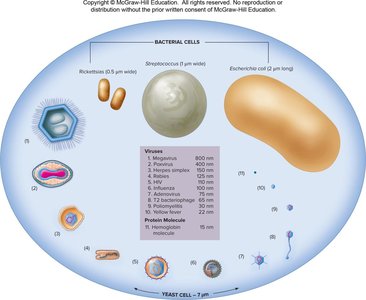
Microorganisms vary greatly in size and structure, ranging from viruses (nanometers) to bacteria and eukaryotic cells (micrometers). Understanding their scale is essential for appreciating their biological impact.
Viruses: Smallest infectious agents, typically 20–800 nm.
Bacteria: Range from 0.5–5 μm in size.
Eukaryotic microbes: Include fungi, algae, and protozoa, often larger than bacteria.
Types of Microorganisms
Six Basic Types
Microbiology recognizes six fundamental groups of microorganisms, each with unique characteristics and roles in nature and human health.
Viruses: Acellular, obligate parasites composed of nucleic acid and protein.
Bacteria: Prokaryotic, unicellular organisms.
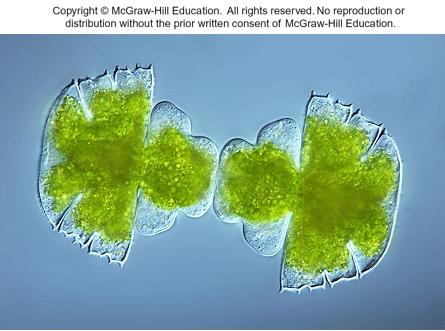
Algae: Photosynthetic eukaryotes, important in aquatic environments.
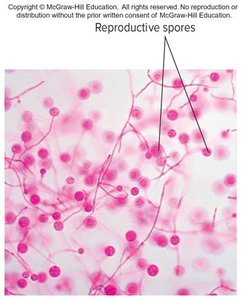
Fungi: Eukaryotic, includes yeasts and molds, often decomposers.
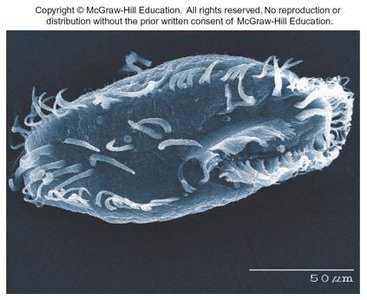
Protozoa: Unicellular eukaryotes, often motile.
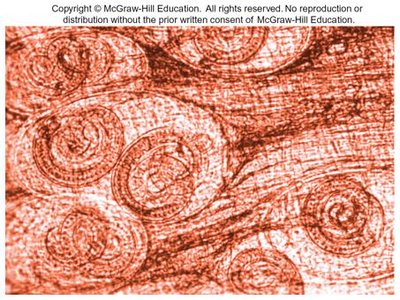
Helminths: Parasitic worms, multicellular eukaryotes.
Cellular Organization: Prokaryotes, Eukaryotes, and Viruses
Prokaryotic vs. Eukaryotic Cells
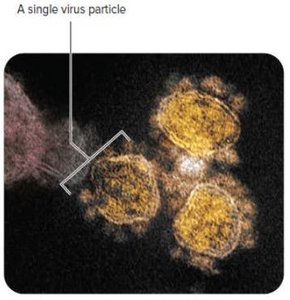
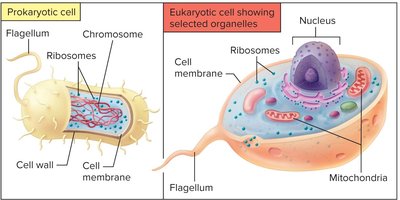
Microorganisms are classified based on their cellular structure. Prokaryotes lack a nucleus and membrane-bound organelles, while eukaryotes possess these features. Viruses are acellular and require host cells for replication.
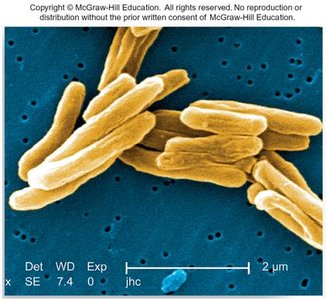
Prokaryotes: Unicellular, lack nucleus, include Bacteria and Archaea.
Eukaryotes: Unicellular or multicellular, have nucleus and organelles, include fungi, algae, protozoa, and helminths.
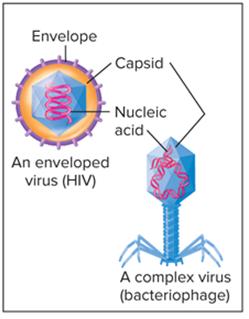
Viruses: Acellular, composed of nucleic acid (DNA or RNA) and protein coat; some are enveloped.
Prions: Infectious proteins lacking genetic material.
Origins and Evolution of Microorganisms
Fossil Record and Early Life
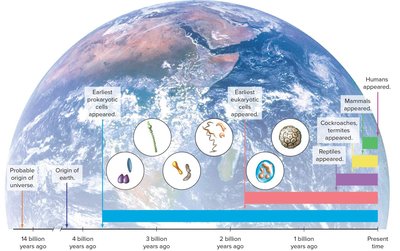
Microorganisms are among the earliest forms of life, with fossil evidence dating back 3.5 billion years. Primitive prokaryotic cells gave rise to modern Bacteria and Archaea, while eukaryotic cells appeared around 1.8 billion years ago.
Prokaryotic cells: Earliest life forms, no nucleus or membrane-bound structures.
Eukaryotic cells: Originated later, with complex internal structures.
Viruses: Acellular, evolved as parasitic entities.
Roles and Impact of Microorganisms
Ecological Functions
Microbes play vital roles in ecosystems, including photosynthesis, decomposition, nutrient recycling, and influencing atmospheric composition.
Photosynthesis: Algae and cyanobacteria contribute to 50% of global photosynthesis.
Decomposition: Breakdown of organic matter, recycling nutrients.
Greenhouse gases: Some microbes produce methane, affecting climate.
Biotechnology and Applications
Microorganisms are harnessed for medical, industrial, and environmental purposes, including genetic engineering, bioremediation, biopharmaceuticals, and bioenergy production.
Genetic Engineering: Bacteria engineered to produce insulin.
Bioremediation: Microbes used to clean oil spills (e.g., Alcanivorax borkumensis).
Biopharmaceuticals: Yeast produces Hepatitis B vaccine.
Biofuels: Saccharomyces cerevisiae used for ethanol production.
Impact on Human Life
Microbes are essential in food production, wastewater treatment, air pollution control, biopesticides, and vitamin/steroid synthesis.
Food & Beverage: Lactobacillus in yogurt fermentation.
Wastewater Treatment: Pseudomonas species remove contaminants.
Air Pollution: Mycobacterium species degrade VOCs.
Biopesticides: Bacillus thuringiensis controls insect pests.
Vitamin Production: Aspergillus species produce Vitamin B2.
Microbial Role in Infectious Diseases and Epidemics
Major Epidemics and Pandemics
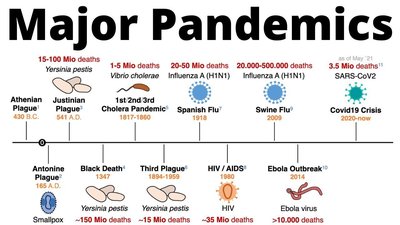
Microorganisms are responsible for numerous infectious diseases and global pandemics, including cholera, smallpox, influenza, HIV/AIDS, tuberculosis, and COVID-19.
Cholera: Caused by Vibrio cholerae, transmitted via contaminated water.
Smallpox: Eradicated by vaccination.
Influenza: Multiple pandemics, high mortality.
HIV/AIDS: Caused by HIV-1 and HIV-2, global spread since 1980s.
Tuberculosis: Caused by Mycobacterium tuberculosis, curable with antibiotics.
COVID-19: Caused by SARS-CoV-2, ongoing global impact.
Historical Foundations of Microbiology
Key Discoveries and Scientific Method
The development of microbiology was shaped by the invention of the microscope, the scientific method, and the germ theory of disease. Early debates about spontaneous generation were resolved through experimentation.
Microscope: Enabled observation of microbes (Hooke, Leeuwenhoek).
Scientific Method: Systematic approach to inquiry and experimentation.
Germ Theory: Microorganisms cause disease (Pasteur, Koch).
Spontaneous Generation: Disproved by Redi, Spallanzani, and Pasteur.
Milestones in Microbiology
Pasteur: Disproved spontaneous generation, invented pasteurization, developed rabies vaccine.
Koch: Established Koch's postulates, identified causative agents of anthrax, tuberculosis, and cholera.
Lister: Introduced antiseptic techniques in surgery.
Jenner: Developed first vaccine (smallpox).
Taxonomy and Classification
Taxonomic Hierarchy
Taxonomy is the formal system for organizing, classifying, and naming living things. The hierarchy includes domain, kingdom, phylum, class, order, family, genus, and species.
Domains: Archaea, Bacteria, Eukarya.
Binomial Nomenclature: Each organism has a genus and species name (e.g., Staphylococcus aureus).
Variants: Subspecies, strains, morphovars, pathovars, serovars, biovars, phagetypes.
Methods for Identification
Bacterial identification relies on phenotypic, genetic, serological, and pathological methods. Combining these approaches increases accuracy.
Phenotypic: Morphology, biochemistry, metabolism.
Genetic: DNA tests, PCR, 16S rRNA sequencing.
Serological: Antigen/antibody tests (e.g., ELISA).
Pathological: Phage testing.
Domain Archaea
Unique Features and Extremophiles
Archaea are prokaryotic organisms with unique cell wall composition, ether-linked membrane lipids, and genetic material. They thrive in extreme environments and are phylogenetically closer to eukaryotes than bacteria.
Cell Wall: Pseudopeptidoglycan, distinct from bacterial peptidoglycan.
Membrane Lipids: Ether-linked, resistant to harsh conditions.
Extremophiles: Thermophiles, halophiles, acidophiles, methanogens.
Domain Bacteria
Characteristics and Identification
Bacteria are microscopic, single-cell organisms, most of which are harmless, though some are pathogenic. Identification uses phenotypic, genetic, and serological methods.
Prokaryotic: Lack nucleus, single chromosome.
Identification: Morphology, biochemical tests, serological assays.
Bergey's Manual: Key reference for bacterial taxonomy.
Assigning Scientific Names
Binomial Nomenclature and Variants
Scientific names consist of a genus (capitalized) and species (lowercase), both italicized or underlined. Variants within species are classified as subspecies, strains, or types, often based on genetic, morphological, or pathological differences.
Example: Escherichia coli O157:H7 (toxin-producing strain).
Subspecies: Salmonella choleraesuis subsp. arizonae.
Strains: Drug-resistant E. coli ST131.
Summary Table: Types of Microorganisms
Type | Cellular Structure | Example | Key Feature |
|---|---|---|---|
Bacteria | Prokaryotic | Mycobacterium tuberculosis | Unicellular, no nucleus |
Virus | Acellular | SARS-CoV-2 | Protein coat, DNA/RNA |
Algae | Eukaryotic | Desmids | Photosynthetic |
Fungi | Eukaryotic | Histoplasma capsulatum | Decomposer, spores |
Protozoa | Eukaryotic | Oxytricha trifallax | Motile, unicellular |
Helminths | Eukaryotic | Trichinella spiralis | Multicellular, parasitic |
Key Equations and Concepts
Scientific Method Steps
Observation → Hypothesis → Prediction → Experiment → Data Analysis → Conclusion → Communication
Koch's Postulates
The microorganism must be present in all cases of the disease.
It must be isolated and grown in pure culture.
The cultured microorganism must cause disease in a healthy host.
It must be re-isolated from the infected host.
Taxonomic Hierarchy
Domain → Kingdom → Phylum → Class → Order → Family → Genus → Species
Pronunciation of Scientific Names
Scientific names are pronounced with the genus first, followed by the species. Both are italicized or underlined, e.g., Staphylococcus aureus.
----------------------------------------
