 Back
BackIntroduction to Microbiology: History, Classification, and Major Groups of Microbes
Study Guide - Smart Notes
 Tailored notes based on your materials, expanded with key definitions, examples, and context.
Ch. 1 An Invisible World: Introduction to Microbiology
What is Microbiology?
Microbiology is the scientific study of microorganisms, which are extremely small organisms invisible to the naked eye and typically require microscopy for observation. The term is derived from 'micro' (small), 'bio' (life), and 'ology' (study).
Microorganisms include bacteria, archaea, fungi, algae, protozoa, and viruses.
They are ubiquitous, meaning they are found everywhere on Earth.
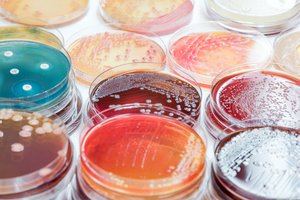
Microbiota: How Microorganisms Affect Our World
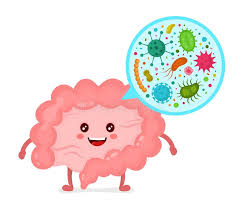
Microorganisms play essential roles in health, environment, and industry. The term microbiota refers to the community of microbes living in a particular environment, such as the human gut.
Health & Medicine: Gut microbiota aid in digestion and produce essential vitamins.
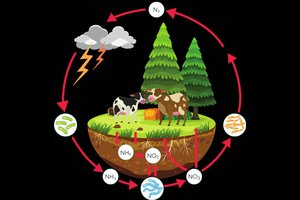
Environmental Cycling: Microbes drive nutrient cycles, such as nitrogen and carbon cycling.
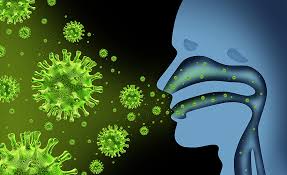
Disease & Infection: Some microbes cause infectious diseases.
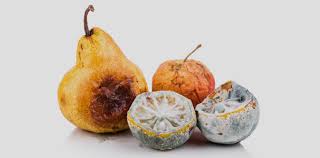
Food Spoilage: Microbes can spoil food by decomposing organic matter.
Contamination: Microbial contamination can affect water, food, and environments.

Fermentation
Fermentation is the chemical breakdown of carbon-containing substances without oxygen, performed by bacteria, fungi, and yeast under anaerobic conditions. It yields little energy but produces foods, vitamins, biofuels, and other products.
Examples: Yogurt, bread, beer, and cheese production.
Byproducts: Organic acids, alcohols, gases (e.g., CO2).
Positive and Negative Impacts of Microbes
Positive: Aid in digestion, produce medicines (e.g., penicillin, insulin), and drive nutrient cycles (e.g., nitrogen fixation).
Negative: Cause diseases (e.g., COVID-19), spoil food, and contaminate environments (e.g., cholera, giardia).
Historical Theories of Disease
Supernatural Theory of Disease
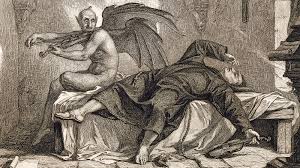
Ancient civilizations believed diseases were caused by supernatural forces, such as spirits, demons, or gods. Illness was often attributed to animistic causation or demonic possession.
Miasma Theory of Disease
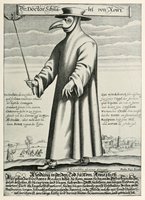
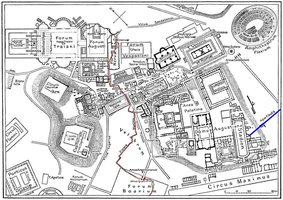
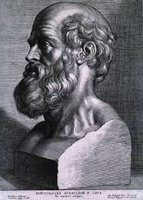
Originating in ancient Greece and popularized by Hippocrates, the miasma theory proposed that diseases were caused by poisonous vapors (miasmas) from decaying organic material.
Spontaneous Generation
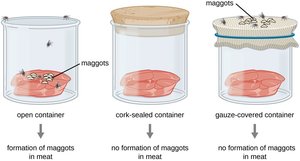
The theory of spontaneous generation suggested that living organisms could arise from non-living matter. Aristotle was a major proponent of this idea.
Germ Theory of Disease
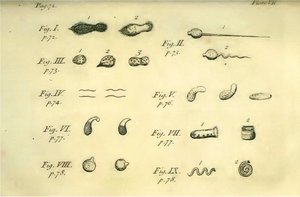
The germ theory states that infectious diseases are caused by microorganisms. This theory was proposed by Louis Pasteur and revolutionized medicine and microbiology.
Major Figures in the Birth of Microbiology
Antoni van Leeuwenhoek
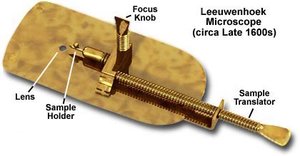
Known as the father of microbiology, Leeuwenhoek invented a lens powerful enough to view bacteria and protists. He observed protozoa in lake water and bacteria from his own mouth.
Louis Pasteur
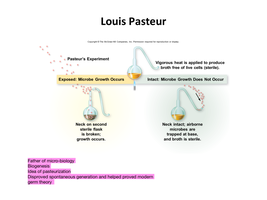
Pasteur disproved spontaneous generation, proposed the germ theory, and invented pasteurization. His experiments showed that microbes cause fermentation and disease.
Robert Koch
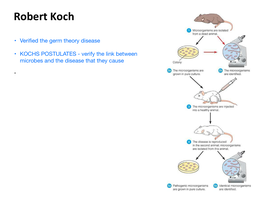
Koch verified the link between microbes and specific diseases, such as anthrax, cholera, and tuberculosis. He developed Koch's Postulates to establish causation:
Constant association: Microbe must be present in all cases of the disease.
Isolation and pure culture: Microbe must be isolated and grown in pure culture.
Disease reproduction: Pure culture must cause disease in a healthy host.
Re-isolation: Microbe must be re-isolated from the experimentally infected host.
Joseph Lister
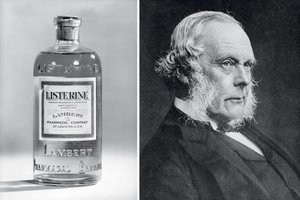
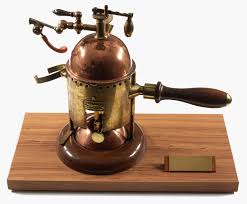
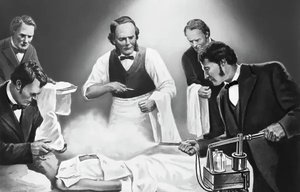
Introduced antiseptic practices in surgery using carbolic acid (phenol), drastically reducing infection rates.
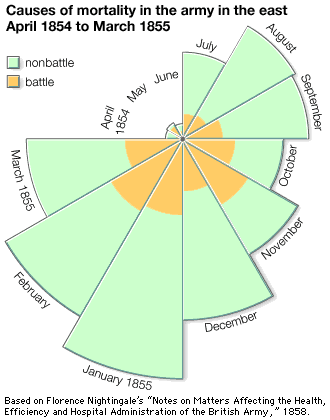
Florence Nightingale
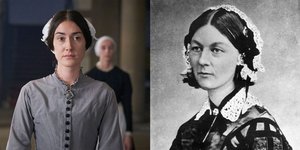
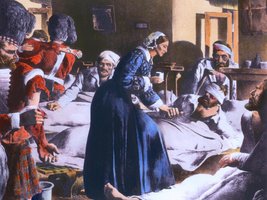
Implemented strict hygiene and sanitation in hospitals, reducing death rates from infectious diseases. Founded the first secular nursing school.
Other Major Contributors
Edward Jenner: Developed the first smallpox vaccine.
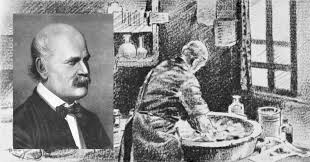
Ignaz Semmelweis: Demonstrated that handwashing prevents infection.
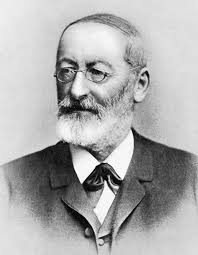
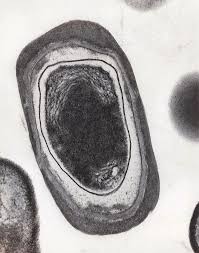
Ferdinand Cohn: Discovered bacterial endospores.
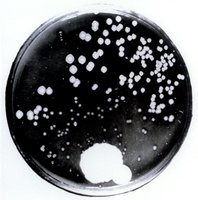
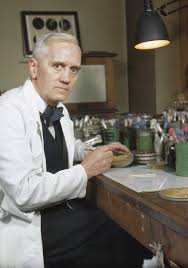
Alexander Fleming: Discovered penicillin, the first antibiotic.
Classification and Taxonomy of Microorganisms
Taxonomy: Naming and Organizing Life
Taxonomy is the science of naming, classifying, and identifying organisms based on shared characteristics. It includes:
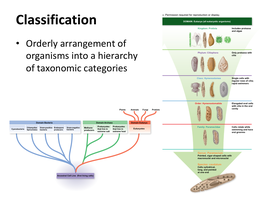
Classification: Arranging organisms into hierarchical categories (domain, kingdom, phylum, class, order, family, genus, species).
Nomenclature: Assigning scientific names using binomial nomenclature (Genus species).
Identification: Determining the identity of unknown organisms.
Phylogeny: Studying evolutionary relationships among organisms.
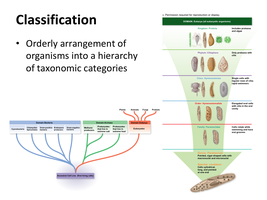
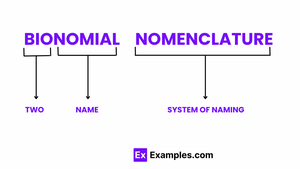
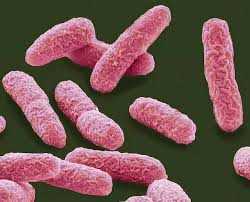
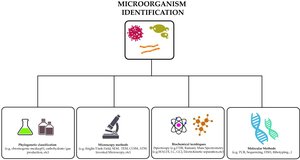
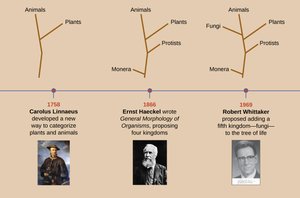
Phylogenetic Tree and Domains of Life
Modern taxonomy uses phylogenetic trees to represent evolutionary relationships. Carl Woese and George Fox discovered a third domain of life (Archaea) using 16S rRNA sequencing.
Domains: Bacteria, Archaea, Eukarya
16S rRNA: A molecular marker for prokaryotic classification
Major Groups of Microbes
Bacteria and Archaea
Bacteria and Archaea are prokaryotic microorganisms. Bacteria are found in diverse environments and can be pathogenic or beneficial. Archaea often inhabit extreme environments.
Bacterial shapes: Cocci (spherical), bacilli (rod-shaped), spirilla (spiral)
Arrangements: Chains, clusters, pairs
Fungi
Fungi are eukaryotic organisms that obtain food from other organisms. Their cell walls are composed of β-glucans and chitin. Fungi include molds (multicellular) and yeasts (unicellular).
Molds: Grow as filaments; reproduce by spores
Yeasts: Reproduce by budding or spores
Algae
Algae are photosynthetic eukaryotes, found in aquatic environments. They are classified by pigmentation, storage products, and cell wall composition.
Types: Brown algae (Phaeophyceae), red algae (Rhodophyceae), green algae (Chlorophyta)
Protozoa
Protozoa are unicellular eukaryotes that obtain food from other organisms. They can be free-living or parasitic.
Viruses
Viruses are non-cellular infectious agents with a core of genetic material (DNA or RNA) inside a protein coat (capsid), sometimes with an envelope. They can be harmful, beneficial, or benign.
Distinguishing Microbes
Microbes are distinguished by their cellular structure, genetic material, metabolism, and reproduction.
Bacteria: Prokaryotic, cell wall, binary fission
Archaea: Prokaryotic, unique cell membrane lipids, often extremophiles
Fungi: Eukaryotic, chitin cell wall, spores
Algae: Eukaryotic, photosynthetic, aquatic
Protozoa: Eukaryotic, motile, heterotrophic
Viruses: Non-cellular, obligate intracellular parasites
Table: Major Groups of Microbes and Examples
Group | Example | Distinguishing Feature |
|---|---|---|
Bacteria | Escherichia coli | Prokaryotic, cell wall, binary fission |
Archaea | Halobacterium | Prokaryotic, unique membrane lipids, extremophiles |
Fungi | Candida albicans | Eukaryotic, chitin cell wall, spores |
Algae | Chlamydomonas | Eukaryotic, photosynthetic, aquatic |
Protozoa | Giardia lamblia | Eukaryotic, motile, heterotrophic |
Viruses | Influenza virus | Non-cellular, obligate intracellular parasite |
Summary
This chapter introduces the foundational concepts of microbiology, including the history of disease theories, major contributors to the field, and the classification and diversity of microorganisms. Understanding these basics is essential for further study in microbiology, including microbial metabolism, genetics, and the role of microbes in health and disease.
