 Back
BackIntroduction to Microbiology: History, Classification, and Key Concepts
Study Guide - Smart Notes
 Tailored notes based on your materials, expanded with key definitions, examples, and context.
Introduction to Microbiology
What is Microbiology?
Microbiology is the scientific study of microorganisms, which are organisms too small to be seen with the naked eye. This field encompasses the study of bacteria, viruses, fungi, protozoa, and prions, focusing on their structure, function, classification, and roles in health, disease, and the environment.
Microorganisms include bacteria, archaea, viruses, fungi, protozoa, and prions.
Microbiology explores both the beneficial and harmful effects of these organisms.
Contributions of Microorganisms to Life
Negative and Positive Roles
Microorganisms play diverse roles in nature and human society, ranging from causing diseases to supporting essential ecological and industrial processes.
Negative: Responsible for major and minor infections in humans, animals, and plants.
Positive:
Form the base of the food chain in aquatic environments.
Soil microbes decompose waste and recycle nutrients.
Carry out photosynthesis, producing oxygen and organic matter.
Assist in digestion (e.g., breakdown of cellulose in herbivores).
Synthesize essential vitamins such as vitamin K (for blood clotting) and B vitamins (for metabolism).
Viruses are being researched as cancer treatments (e.g., measles virus for multiple myeloma, polio virus for brain tumors).
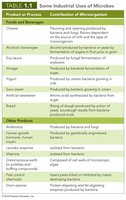
Commercial applications include the synthesis of acetone, organic acids, enzymes, alcohols, and drugs.
Food industry uses: production of vinegar, alcoholic beverages, yogurt, and more.
Classification of Living Organisms
Hierarchical System of Classification
Living organisms are classified using a hierarchical system that organizes life from the broadest to the most specific categories.
Domain (broadest)
Kingdom
Phylum
Class
Order
Family
Genus
Species (most specific)
The Three Domains of Life
Modern classification recognizes three domains based on genetic and biochemical differences:
Bacteria: Prokaryotic, unicellular organisms with peptidoglycan in their cell walls.
Archaea: Prokaryotic, unicellular organisms without peptidoglycan, often found in extreme environments.
Eukarya: Organisms with eukaryotic cells, including animals, plants, fungi, and protists.
Kingdom Classifications
Traditional and modern systems classify life into several kingdoms:
Kingdom Bacteria
Kingdom Archaea
Kingdom Animalia
Kingdom Plantae
Kingdom Protista
Kingdom Fungi
Viruses and Prions
Viruses and prions are not classified within the domains or kingdoms of life because they lack cellular structure and independent metabolism.
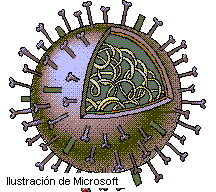
Viruses: Acellular infectious agents composed of genetic material (DNA or RNA) surrounded by a protein coat.
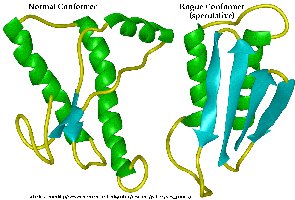
Prions: Infectious proteins that cause neurodegenerative diseases by inducing abnormal folding of normal cellular proteins.
Taxonomy and Nomenclature
Taxonomy
Taxonomy is the science of classifying and naming living organisms. It provides a universal language for identifying and discussing organisms.
Binomial Nomenclature
Each species is given a two-part scientific name (binomial):
Genus (capitalized) + species (lowercase), both italicized (e.g., Escherichia coli).
Examples: Streptococcus pneumoniae, Neisseria gonorrhoeae.
History of Microbiology
Spontaneous Generation
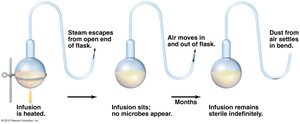
The theory of spontaneous generation proposed that living organisms could arise from nonliving matter. This idea was eventually disproven through scientific experimentation.

Key Historical Figures
Robert Hooke (1665): First to observe cells in cork using a microscope; coined the term "cell."

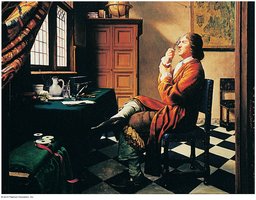
Antonie van Leeuwenhoek (1675): Improved the microscope and was the first to observe and describe microorganisms ("animalcules").

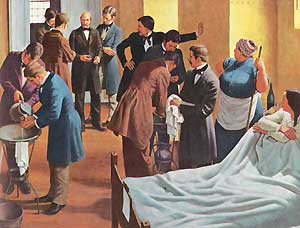
Ignaz Semmelweis (1847): Demonstrated the importance of handwashing in preventing puerperal fever in hospitals.

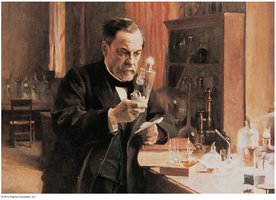
Louis Pasteur (1857): Disproved spontaneous generation; showed that microorganisms in the air cause food spoilage. Developed pasteurization and vaccines for several diseases.
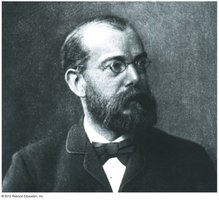
Robert Koch (1843–1910): Established the germ theory of disease and developed Koch's postulates for identifying disease-causing organisms.
Koch's Postulates
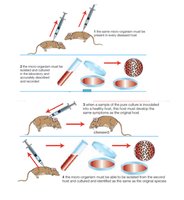
Koch's postulates are a set of criteria used to establish a causative relationship between a microbe and a disease:
The same pathogen must be present in all cases of the disease and absent from healthy subjects.
The pathogen must be isolated from the diseased host and grown in pure culture.
The cultured pathogen must cause the same disease when introduced into a healthy host.
The pathogen must be re-isolated from the experimentally infected host and shown to be the same as the original organism.
Other Pioneers
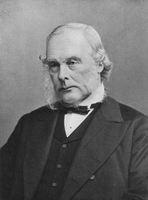
Joseph Lister: Introduced antiseptic techniques in surgery using carbolic acid (phenol) to disinfect instruments and wounds.
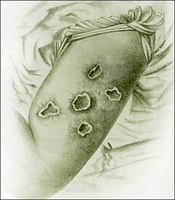
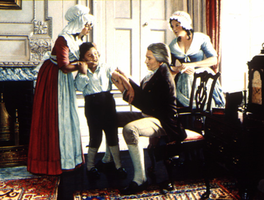
Edward Jenner: Developed the first successful vaccine (smallpox) by using material from cowpox lesions.
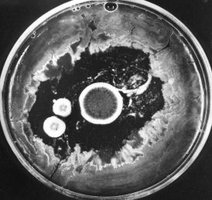
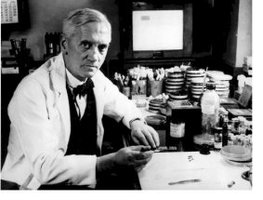
Alexander Fleming (1881–1955): Discovered penicillin, the first antibiotic, revolutionizing the treatment of bacterial infections.
Fields of Microbiology
Bacteriology: Study of bacteria.
Mycology: Study of fungi.
Parasitology: Study of parasites.
Immunology: Study of the immune system.
Virology: Study of viruses.
Prokaryotic vs. Eukaryotic Cells
Cellular Organization
Cells are classified as prokaryotic or eukaryotic based on their structural characteristics.
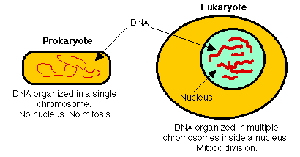
Prokaryotic cells: Lack a true nucleus and membrane-bound organelles; DNA is typically a single circular chromosome.
Eukaryotic cells: Have a true nucleus enclosed by a nuclear membrane and possess multiple, linear chromosomes and membrane-bound organelles.
Additional Info
Students are responsible for reviewing basic chemistry concepts independently.
Lists of bacteria and viruses to memorize are referenced in the course textbook (pages 76–78 for bacteria, page 102 for viruses).
