 Back
Introduction to Microbiology: History, Classification, and Microbe-Host Interactions
Study Guide - Smart Notes
 Tailored notes based on your materials, expanded with key definitions, examples, and context.
Introduction to Microbiology
Definition and Scope
Microbiology is the study of microorganisms, or microbes, which are entities too small to be seen with the unaided eye. This field encompasses a vast diversity of life forms, including both cellular and noncellular agents. Microbes are found in nearly every environment on Earth and play essential roles in health, industry, and the environment.
Microorganisms include bacteria, archaea, fungi, protists, and helminths (worms).
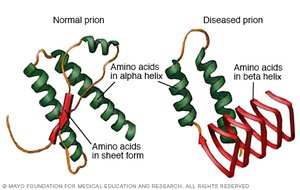
Nonliving agents studied in microbiology include viruses and prions (infectious proteins).
Some microbes, such as certain fungi and helminths, are not always microscopic but have microscopic life stages.
Microbes and Human Health
Most microbes are harmless or beneficial; only about 1% are pathogenic (disease-causing).
Pathogens always cause disease in humans, while opportunistic pathogens cause disease only in immunocompromised hosts.
The human body contains more microbial cells than human cells, collectively known as the normal microbiota.
A Brief History of Microbiology
Key Historical Figures and Discoveries
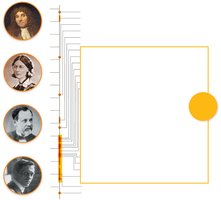
Robert Hooke (mid-1600s): First to publish descriptions of cells.
Antonie van Leeuwenhoek (1632–1723): Improved the microscope and was the first to observe bacteria.
Louis Pasteur (1822–1895): Demonstrated biogenesis, developed pasteurization, and created vaccines for anthrax and rabies.
Robert Koch (1843–1910): Developed techniques for isolating bacteria and formulated Koch’s postulates, proving microbes cause disease.
Ignaz Semmelweis: Advocated handwashing to prevent childbed fever.
Joseph Lister: Pioneered aseptic surgery techniques.
Florence Nightingale: Established aseptic practices in nursing.
Spontaneous Generation vs. Biogenesis
Early scientists debated whether life arose spontaneously from nonliving matter or from pre-existing life.
Spontaneous generation: Life arises from nonliving items.
Biogenesis: Life arises only from existing life.
Francesco Redi: Demonstrated that maggots on meat came from flies, not spontaneous generation.
Louis Pasteur: Used S-necked flasks to show that microbes in the air, not spontaneous generation, caused broth to spoil.


Germ Theory of Disease
The germ theory states that specific microbes cause specific diseases. Robert Koch’s work with anthrax and his postulates were foundational in establishing this theory.
Koch’s postulates provide a systematic method to link a microbe to a disease.
The Scientific Method in Microbiology
Begins with a question and hypothesis.
Data are collected through observation and experimentation.
Conclusions are drawn based on evidence.
Scientific law: Predicts what happens; theory: Explains how and why something happens.
Classifying Microbes and Their Interactions
Taxonomic Hierarchy and Nomenclature
Taxonomy is the science of classifying organisms based on shared characteristics. The hierarchy ranges from the broadest category (domain) to the most specific (species and strain).
Domains: Bacteria, Archaea, Eukarya
Kingdoms: Bacteria, Archaea, Animalia, Plantae, Fungi, Protista
Binomial nomenclature: Each organism is given a two-part scientific name (genus and species), e.g., Staphylococcus aureus.
Strain: A genetic variant or subtype within a species, e.g., Escherichia coli O157:H7.
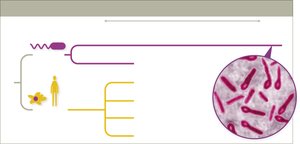
Domain | Kingdom | Phylum | Class | Order | Family | Genus | Species |
|---|---|---|---|---|---|---|---|
Bacteria | Bacteria | Firmicutes | Clostridia | Clostridiales | Clostridiaceae | Clostridium | tetani |
Prokaryotes vs. Eukaryotes
Prokaryotes: Unicellular, lack a nucleus (e.g., bacteria, archaea).
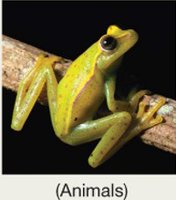
Eukaryotes: Unicellular or multicellular, have a nucleus and organelles (e.g., fungi, protists, plants, animals).
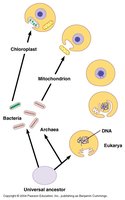
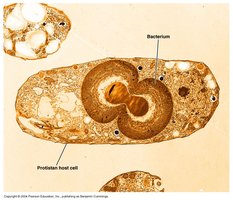
Endosymbiotic theory: Eukaryotic organelles like mitochondria and chloroplasts originated from prokaryotic cells engulfed by ancestral eukaryotes.
Types of Microbes
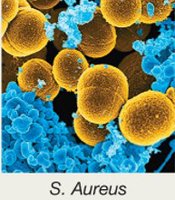
Bacteria: Unicellular prokaryotes, diverse metabolic capabilities.
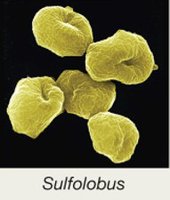
Archaea: Unicellular prokaryotes, often found in extreme environments.
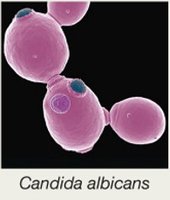
Fungi: Unicellular (yeasts) or multicellular (molds), eukaryotic.
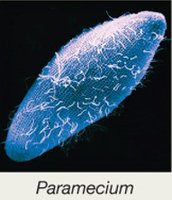
Protists: Mostly unicellular eukaryotes, include protozoa and algae.
Helminths: Parasitic worms, included due to their disease relevance.
Viruses: Nonliving, acellular infectious agents.
Prions: Infectious proteins causing neurodegenerative diseases.

Symbiotic Relationships
Microbes and hosts interact in various ways, influencing health and evolution.
Parasitism: One organism benefits at the expense of the other (e.g., pathogens).
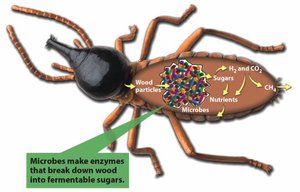
Mutualism: Both organisms benefit (e.g., gut bacteria aiding digestion).
Commensalism: One benefits, the other is unaffected.
Normal Microbiota and the Human Microbiome
The normal microbiota consists of microbes that reside in and on the human body, playing crucial roles in health and disease prevention.
Functions include training the immune system, producing vitamins, aiding digestion, and protecting against pathogens.
Disruption (e.g., by antibiotics) can lead to infections by opportunistic pathogens.
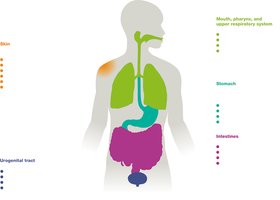
Microbiota composition varies by body site (skin, gut, mouth, etc.).
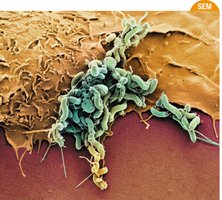
Biofilms
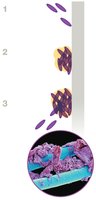
Biofilms are structured communities of microbes attached to surfaces and embedded in a self-produced matrix. They are highly resistant to antibiotics and immune responses.
Form on teeth, medical devices, water pipes, and more.
Responsible for 60–80% of human infectious diseases.
Environmental and Industrial Roles of Microbes
Decompose organic waste and recycle nutrients.
Produce oxygen via photosynthesis (mainly cyanobacteria and algae).
Used in food production (e.g., cheese, yogurt, bread), biotechnology, and bioremediation (cleaning up pollutants).
Genetic engineering enables microbes to produce vaccines, enzymes, and other valuable products.
Viruses and Prions
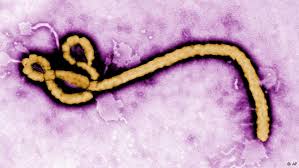
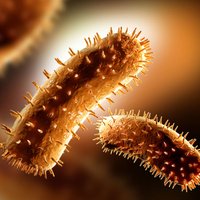
Viruses: Acellular, require host cells to replicate, cause diseases such as influenza, Ebola, and rabies.
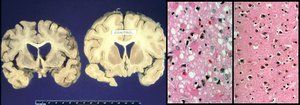
Prions: Misfolded proteins that cause neurodegenerative diseases (e.g., Creutzfeldt-Jakob disease).
Summary Table: Major Groups of Microbes
Group | Cell Type | Example | Role/Disease |
|---|---|---|---|
Bacteria | Prokaryotic | Staphylococcus aureus | Skin infections |
Archaea | Prokaryotic | Sulfolobus | Extreme environments |
Fungi | Eukaryotic | Candida albicans | Yeast infections |
Protists | Eukaryotic | Paramecium | Aquatic food webs |
Helminths | Eukaryotic | Tapeworms | Parasitic diseases |
Viruses | Acellular | Rabies virus | Viral diseases |
Prions | Acellular | Prion protein | Neurodegenerative diseases |
Key Concepts for Review
Microbiology studies a wide range of living and nonliving agents, many of which are essential to life and human health.
Historical experiments disproved spontaneous generation and established the germ theory of disease.
Microbes are classified using a hierarchical system, and their interactions with hosts can be beneficial, neutral, or harmful.
Normal microbiota play vital roles in health, and disruptions can lead to disease.
Biofilms are important in both natural and clinical settings due to their resilience and role in infections.
Microbes are indispensable in environmental processes, industry, and biotechnology.
