 Back
BackIntroduction to Microbiology: Principles, History, and Taxonomy
Study Guide - Smart Notes
 Tailored notes based on your materials, expanded with key definitions, examples, and context.
Course Overview and Objectives
Introduction to Medical Microbiology
This course introduces students to the foundational principles of microbiology, with a focus on medically relevant microorganisms and their impact on human health. Emphasis is placed on the application of microbiological concepts to medical problems, safe handling of infectious materials, and the protection of health.
Course Structure: Four cumulative exams, weekly quizzes, and participation in class activities.
Success Strategies: Attend lectures, take notes, read the textbook, utilize online resources (e.g., ASM, CDC), and participate in study groups.
Introduction to Microbiology
Definition and Scope
Microbiology is the study of organisms too small to be seen without magnification, including their life cycles, replication, and roles in the environment and disease.
Major Groups Studied: Bacteria, Fungi, Algae, Viruses, Protozoa, Helminths
Applications: Nutrient cycling, energy flow, decomposition, biotechnology, genetic engineering, bioremediation, and disease causation.
Types of Microorganisms
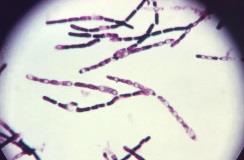
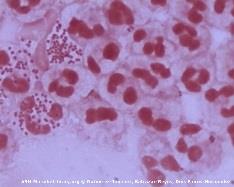
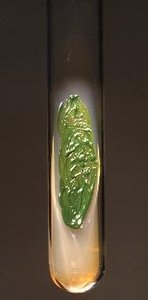
Bacteria: Unicellular prokaryotes with diverse metabolic capabilities.
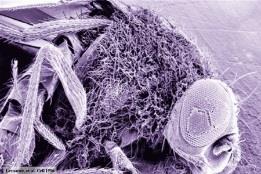
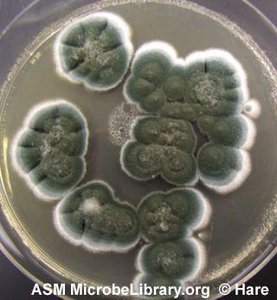
Fungi: Includes yeasts and molds, important in decomposition and disease.
Algae: Photosynthetic eukaryotes, significant in aquatic ecosystems.
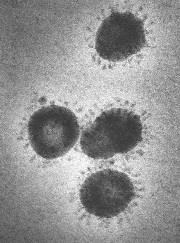
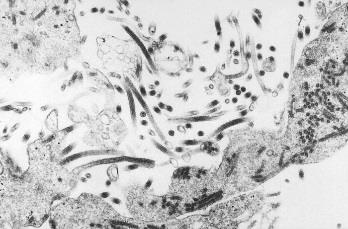
Viruses: Acellular, obligate intracellular parasites with DNA or RNA genomes.
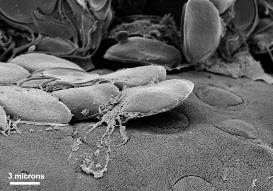
Protozoa: Unicellular eukaryotes, often motile and sometimes pathogenic.
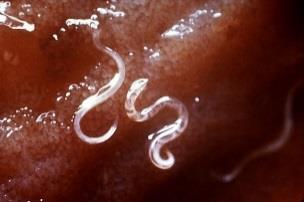
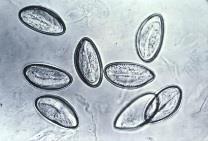
Helminths: Parasitic worms affecting humans and animals.

Cells and Viruses
Cellular Organization
Microorganisms can be classified based on their cellular structure:
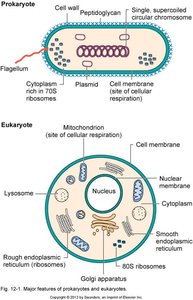
Prokaryotes: Microscopic, unicellular organisms lacking a nucleus and membrane-bound organelles. Examples include bacteria and archaea.
Eukaryotes: Unicellular or multicellular organisms with a nucleus and various organelles. Examples include fungi, protozoa, algae, and helminths.
Viruses: Non-cellular, parasitic particles composed of a nucleic acid genome (DNA or RNA), a protein shell (capsid), and sometimes a lipid envelope. They require host cells for replication.
Microbes and Human Health
Pathogens and Disease
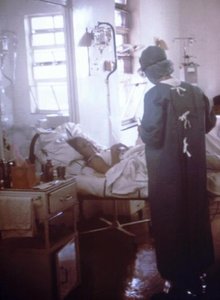
Pathogens are microorganisms capable of causing disease. There are nearly 2,000 known microbial pathogens, responsible for billions of infections and millions of deaths annually worldwide.
Global Impact: Infectious diseases remain among the top causes of death globally, with significant variation by region and age group.
Recent Trends: SARS-CoV-2 (COVID-19) was a leading cause of death in the US and worldwide during 2020-2022.
Taxonomy and Classification
Principles of Taxonomy
Taxonomy is the science of organizing, classifying, and naming living organisms. It involves:
Classification: Grouping organisms based on shared characteristics.
Nomenclature: Assigning standardized names (binomial nomenclature).
Identification: Determining the identity and classification of organisms.
Binomial Nomenclature
Each organism is given a two-part scientific name: Genus (capitalized, noun) and species (lowercase, adjective), both italicized or underlined (e.g., Streptococcus pneumoniae).
This system, developed by Carolus Linnaeus, avoids confusion caused by common names.
Domains of Life
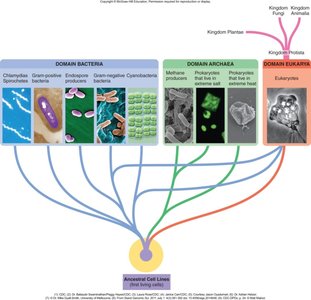
All life is classified into three domains:
Bacteria: Prokaryotic, diverse metabolic types.
Archaea: Prokaryotic, often extremophiles.
Eukarya: Eukaryotic organisms, including plants, animals, fungi, and protists.
History of Microbiology
Early Discoveries and Theories
Recognition of infectious agents and their transmission developed in the 19th century.
Early practices included variolation for smallpox in Asia, Africa, and the Middle East.
Scientific Method in Microbiology
Hypothesis: A tentative explanation, tested through predictions and experiments.
Theory: A hypothesis supported by substantial evidence.
Law: A theory with overwhelming supporting evidence.
Germ Theory of Disease
The Germ Theory of Disease states that many diseases are caused by the growth of microbes in the body, not by supernatural or environmental factors.
Edward Jenner: Developed vaccination using cowpox to prevent smallpox, paving the way for immunology.
Ignaz Semmelweis: Demonstrated the importance of hand-washing to prevent puerperal fever.
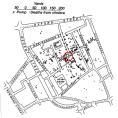
John Snow: Traced cholera outbreaks to contaminated water, founding the field of epidemiology.
Robert Koch and Koch's Postulates
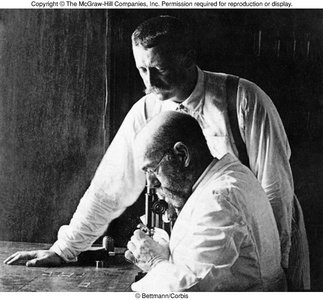
Robert Koch established a sequence of experimental steps (Koch's postulates) to prove the causative relationship between a microbe and a disease:
The organism must be found in all cases of the disease but not in healthy individuals.
The organism must be isolated and grown in pure culture.
The cultured organism should cause the same disease when introduced into a healthy host.
The organism must be re-isolated from the experimentally infected host.
Other Key Figures and Discoveries
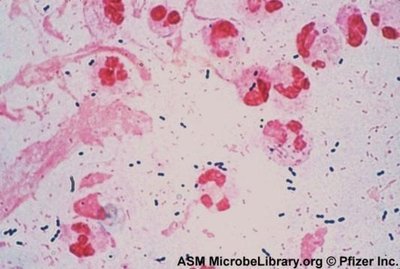
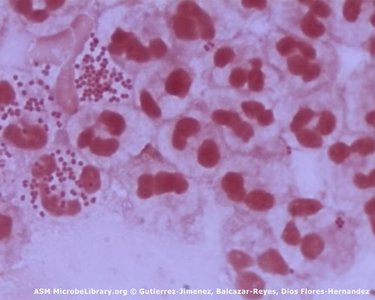
Hans Christian Gram: Developed the Gram stain to differentiate bacteria.
Joseph Lister: Applied antiseptic techniques in surgery.
John Tyndall: Discovered bacterial endospores and the need for sterilization.
Martinus Beijerinck: Founded virology by demonstrating the existence of filterable infectious agents.
Alexander Fleming: Discovered penicillin, the first antibiotic.
Summary Table: Key Differences Between Prokaryotes, Eukaryotes, and Viruses
Feature | Prokaryotes | Eukaryotes | Viruses |
|---|---|---|---|
Cell Type | Unicellular, no nucleus | Unicellular or multicellular, nucleus present | Acellular |
Genetic Material | Circular DNA | Linear DNA in nucleus | DNA or RNA |
Organelles | Few, no membrane-bound organelles | Many, membrane-bound | None |
Reproduction | Binary fission | Mitosis/meiosis | Requires host cell |
Examples | Bacteria, Archaea | Fungi, Protozoa, Algae, Helminths | Influenza virus, HIV |
Conclusion
Microbiology is a dynamic and essential field that explores the diversity, structure, function, and impact of microorganisms. Understanding the principles of taxonomy, cell structure, and the history of microbiology provides a foundation for further study in medical and applied microbiology.
