 Back
BackIntroduction to Microbiology: The Invisible World
Study Guide - Smart Notes
 Tailored notes based on your materials, expanded with key definitions, examples, and context.
Chapter 1: An Invisible World
Introduction to Microorganisms
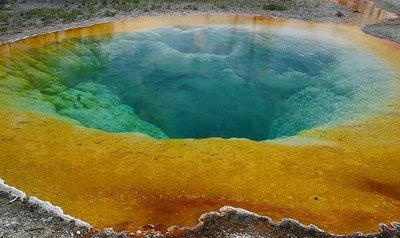
Microorganisms are organisms so small that they require a microscope to be seen for some or all of their life stages. They are ubiquitous in nature, inhabiting diverse environments from soil and water to extreme habitats such as hot springs and deep-sea vents.
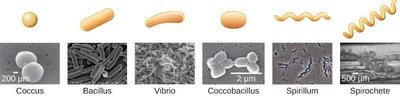
Size and Shape: Microorganisms vary greatly in size and shape, including forms such as cocci (spherical), bacilli (rod-shaped), and spirilla (spiral-shaped).
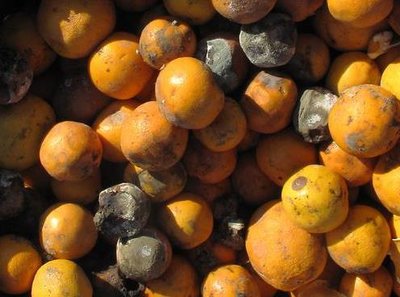
Ecological Niches: Microbes occupy nearly every ecological niche, playing essential roles in nutrient cycling, decomposition, and as the base of many food chains.
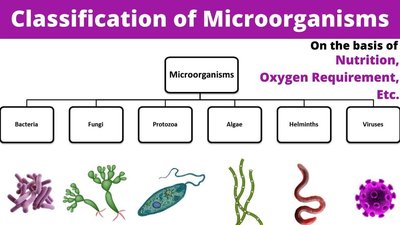
Taxonomy: Microorganisms are classified into major groups: Bacteria, Archaea, Fungi, Protozoa, Algae, Viruses, and Helminths.
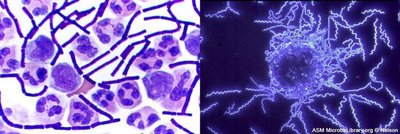
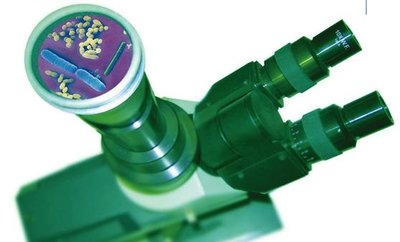
Where Are Microorganisms?
Microorganisms are found everywhere on Earth, from the deepest ocean trenches to the upper atmosphere, and in extreme environments such as acidic hot springs, saline lakes, and radioactive waste.
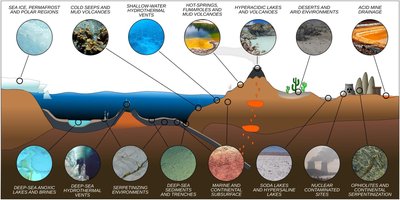
Medical Definitions and Microbe Relationships
Pathogen: A microorganism capable of causing disease.
Infection: The colonization of a host by a microorganism.
Disease: Harm caused to a host by an infection, ranging from microscopic to macroscopic effects.
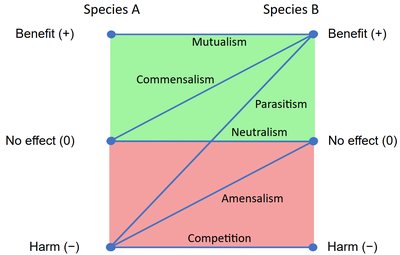
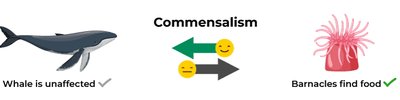
Microbial Relationships: Most microbes are harmless or beneficial; only about 10% are pathogenic.

Ecological and Industrial Roles of Microorganisms
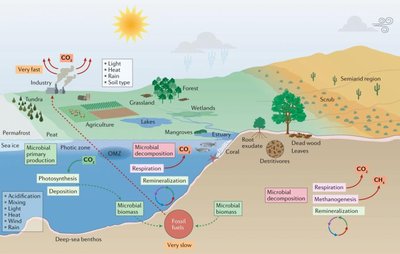
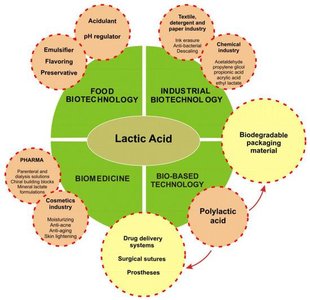
Microorganisms are essential for key ecological processes such as carbon and nitrogen fixation, oxygen production, decomposition, and as the base of food chains. They also have significant industrial applications, including food production, enzyme synthesis, bioremediation, and medical uses.
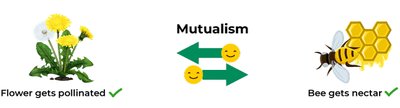
Mutualism: Some microbes produce vitamins (e.g., B and K) for their hosts.
Bioremediation: Use of microbes to clean up environmental pollutants.
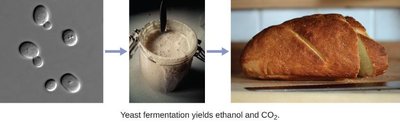
Industrial Production: Microbes are used to produce bread, alcohol, cheese, insulin, vaccines, and antibiotics.
Major Groups of Microorganisms
Microorganisms are classified into several major groups based on their cellular structure, metabolism, and genetic characteristics.
Viruses: Acellular entities composed of proteins and nucleic acids; obligate intracellular parasites.
Bacteria: Single-celled prokaryotes with peptidoglycan cell walls; diverse shapes and metabolisms.
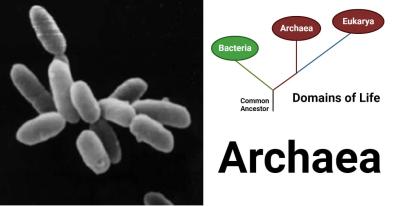
Archaea: Single-celled prokaryotes with unique cell wall components; many are extremophiles.
Fungi: Unicellular or multicellular eukaryotes with chitin cell walls; include molds and yeasts.
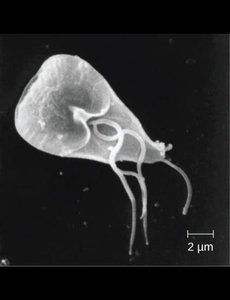
Protozoa: Unicellular eukaryotes; motile and chemoheterotrophic.
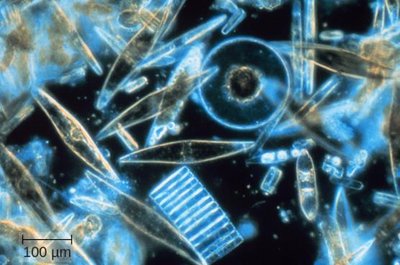
Algae: Unicellular or multicellular eukaryotes; photoautotrophic with cellulose cell walls.
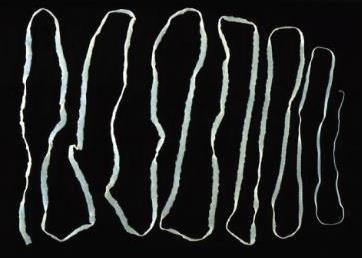
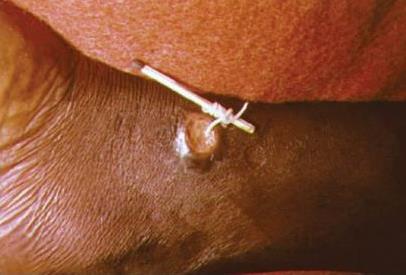
Helminths: Multicellular eukaryotic worms; some life stages are microscopic.
Systematics: Taxonomy and Phylogeny
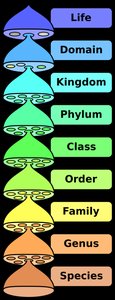
Taxonomy is the science of classifying organisms based on similarities, while phylogeny studies their evolutionary relationships. The hierarchy of taxa includes domain, kingdom, phylum, class, order, family, genus, and species. Binomial nomenclature assigns each organism a two-part name: genus (capitalized) and species (lowercase), both italicized.
Example: Escherichia coli
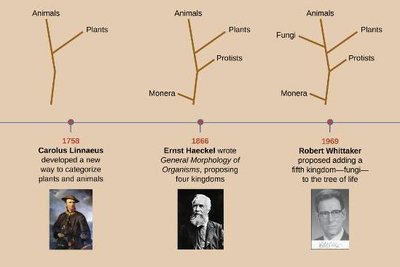
Phylogenetic trees illustrate evolutionary relationships among organisms.
Human and Microbe Interactions
Microbes have existed long before humans and have rapid generation times, allowing for fast evolution. The normal microbiota (flora) on and in the human body play crucial roles in health, including inhibiting pathogens, producing vitamins, and aiding digestion.
Major Contributions to Microbiology
Robert Hooke (1665): Observed first cells in cork, leading to cell theory.
Anton van Leeuwenhoek (1673): Observed live microorganisms.
Louis Pasteur (1861): Disproved spontaneous generation, developed pasteurization, and linked microbes to fermentation and spoilage.
Joseph Lister (1867): Introduced antiseptic surgery using phenol.
Robert Koch (1876): Developed Koch's postulates for linking microbes to disease.
Edward Jenner (1798): Developed first vaccination (smallpox).
Paul Ehrlich (1900): Proposed selective toxicity and developed Salvarsan for syphilis.
Alexander Fleming (1928): Discovered penicillin, the first antibiotic.
Immunity and Chemotherapy
Immunity: The body's ability to resist infection, with memory of past exposures.
Vaccination: Prepares the immune system for future encounters with pathogens.
Chemotherapy: Use of chemicals to treat disease, including antibiotics and synthetic drugs.
Emerging Infectious Diseases (EIDs)
Emerging infectious diseases are those that are newly identified or increasing in incidence. Examples include SARS-CoV-2, Ebola, H5N1 Avian Flu, MRSA, and Chagas’ disease. Key contributing factors include population density, sanitation, world travel, deforestation, and antibiotic resistance.
Chapter 7: Microbial Biochemistry (Selected Concepts)
Atoms, Elements, and Bonds
Atoms consist of protons, neutrons, and electrons. The atomic number is determined by the number of protons, and isotopes vary by neutron number. Electrons occupy shells, with chemical reactivity determined by the valence shell.
Ionic Bonds: Formed by transfer of electrons, creating charged ions.
Covalent Bonds: Formed by sharing electrons between atoms.
Hydrogen Bonds: Weak attractions between polar molecules, important in water and biological macromolecules.
Organic Molecules and Functional Groups
Organic molecules are carbon-based and include carbohydrates, lipids, proteins, and nucleic acids. Functional groups determine their chemical properties and reactivity.
Dehydration Synthesis: Formation of larger molecules with the release of water.
Hydrolysis: Breakdown of molecules using water.
Major Classes of Biomolecules
Carbohydrates: Energy storage and structural components (e.g., cellulose, glycogen).
Lipids: Nonpolar molecules for energy storage, membrane structure, and signaling (e.g., phospholipids, steroids).
Proteins: Polymers of amino acids with structural, enzymatic, and regulatory roles. Protein structure includes primary, secondary, tertiary, and quaternary levels.
Nucleic Acids: DNA and RNA store and transfer genetic information. ATP is the energy currency of the cell.
Chapter 3: The Cell
Prokaryotic Cell Structure
Bacteria are typically 0.2–2.0 μm in diameter and 2–8 μm in length. They may be monomorphic or pleomorphic and exhibit various arrangements (e.g., chains, clusters).
Glycocalyx: Capsule or slime layer for attachment and protection.
Flagella: Motility structures; arrangement aids in identification.
Fimbriae and Pili: Attachment and DNA transfer.
Cell Wall: Composed of peptidoglycan (bacteria), S-layer or pseudopeptidoglycan (archaea).
Cell Membrane: Phospholipid bilayer; selectively permeable.
Cytoplasm: Contains ribosomes, nucleoid, and inclusion bodies.
Endospores: Dormant, resistant structures formed by some genera (e.g., Bacillus, Clostridium).
Eukaryotic Cell Structure
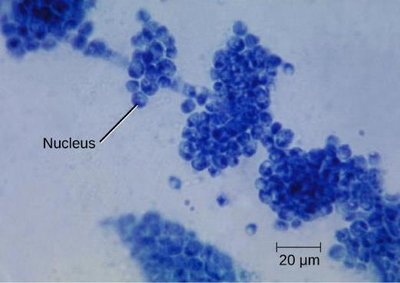
Nucleus: Contains chromosomal DNA.
Endomembrane System: Includes rough and smooth ER, Golgi apparatus, lysosomes, vesicles, and vacuoles.
Mitochondria and Chloroplasts: Sites of ATP production and photosynthesis, respectively; evidence for endosymbiotic origin.
Cytoskeleton: Network of microfilaments, intermediate filaments, and microtubules for structure and movement.
Chapter 5: The Eukaryotes of Microbiology
Protozoa
Unicellular eukaryotes; motile via cilia, flagella, or pseudopods.
Chemoheterotrophic; reproduce sexually or asexually.
Some are pathogenic (e.g., Plasmodium causes malaria).
Helminths
Multicellular eukaryotic worms; include flatworms (Platyhelminthes) and roundworms (Nematoda).
Complex life cycles; some are hermaphroditic.
Fungi
Unicellular (yeasts) or multicellular (molds); cell walls contain chitin.
Chemoheterotrophic; reproduce sexually or asexually.
Important decomposers and sources of antibiotics.
Algae
Unicellular or multicellular photoautotrophs; cell walls of cellulose.
Important for oxygen production and as primary producers in aquatic ecosystems.
Lichens
Symbiotic associations between fungi and algae or cyanobacteria.
Colonize harsh environments and are sensitive to pollution.
Chapter 6: Acellular Pathogens
Viruses
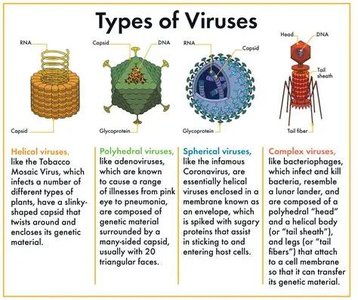
Acellular entities with DNA or RNA genomes, protein coats (capsids), and sometimes envelopes.
Obligate intracellular parasites; require host machinery for replication.
Classified by nucleic acid type, replication strategy, and morphology.
Viral Replication
Bacteriophages: Infect bacteria via lytic or lysogenic cycles.
Animal Viruses: Enter host cells by endocytosis or membrane fusion; may establish latency.
Oncogenic Viruses: Some viruses can induce cancer by integrating into host genomes.
Prions and Viroids
Prions: Infectious proteins causing neurodegenerative diseases (e.g., CJD, BSE).
Viroids: Infectious RNA molecules causing plant diseases.
