Back
BackIntroduction to Microbiology: The Invisible World
Study Guide - Smart Notes
 Tailored notes based on your materials, expanded with key definitions, examples, and context.
Introduction to Microbiology
What is Microbiology?
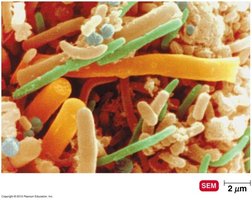
Microbiology is the scientific study of microorganisms, which are organisms too small to be seen with the unaided eye. This field encompasses a wide variety of life forms, including bacteria, fungi, protozoa, algae, and viruses. Microbiology is foundational for understanding infectious diseases, biotechnology, and ecological processes.
What are Microbes/Microorganisms?
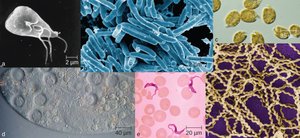
Bacteria: Single-celled prokaryotes with diverse shapes and metabolic capabilities.
Fungi: Includes yeasts (unicellular) and molds (multicellular), eukaryotic organisms with chitin cell walls.
Protozoa: Unicellular eukaryotes, often motile and found in aquatic environments.
Algae: Photosynthetic eukaryotes, can be unicellular or multicellular.
Viruses: Acellular entities that require a host cell to replicate.
Microbes in Our Lives
Effects and Uses of Microbes
Microorganisms play essential roles in both beneficial and harmful processes:
Infection and Food Spoilage: Some microbes cause diseases and spoil food.
Producers in Ecosystems: Many microbes, especially algae, perform photosynthesis, forming the base of food webs.
Decomposition: Microbes decompose organic waste, recycling nutrients.
Industrial Production: Used to produce chemicals (e.g., ethanol, acetone), vitamins, acids, and enzymes.
Food Production: Essential for fermentation processes in making vinegar, cheese, yogurt, and bread.
Biotechnology and Medicine: Microbes produce products like cellulase and insulin, and are used in drug development.
Pathogenic Microbes and Aseptic Techniques
Pathogenic Microbes: Disease-causing microorganisms; understanding them is crucial for health professionals.
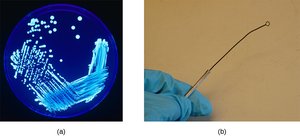
Aseptic Techniques: Procedures to prevent contamination by unwanted microbes in medical and laboratory settings.
Classifying Life
Why Do Biologists Classify Organisms?
Classification organizes the vast diversity of life, making it easier to study and understand relationships among organisms. Taxonomy is the science of classification, grouping organisms based on similarities.
Characteristics of Life
Cellular Organization
Chemicals of Life: Carbohydrates, lipids, nucleic acids, proteins, water
Energy Use
Response to Surroundings
Reproduction
Growth and Development
Naming and Classifying Microorganisms
Scientific Names: Binomial nomenclature (Genus species), developed by Carolus Linnaeus in 1735.
Names are italicized or underlined; genus is capitalized, species is lowercase.
After first use, genus may be abbreviated (e.g., Escherichia coli → E. coli).
Names may be descriptive or honor a scientist (e.g., Staphylococcus aureus).

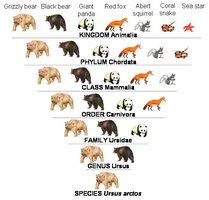
Taxonomic Hierarchy
Organisms are classified into a hierarchy:
Level | Example |
|---|---|
Domain | Eukarya |
Kingdom | Animalia |
Phylum | Chordata |
Class | Mammalia |
Order | Carnivora |
Family | Ursidae |
Genus | Ursus |
Species | Ursus arctos |
Three Domains and Six Kingdoms
Domains: Bacteria, Archaea, Eukarya
Kingdoms: Bacteria, Archaea, Protists, Fungi, Plants, Animals
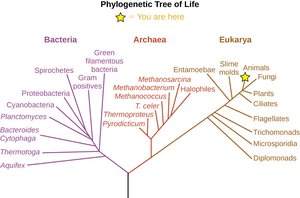
Prokaryotic vs. Eukaryotic Cells
Cell Types
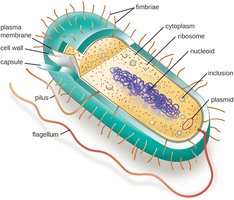
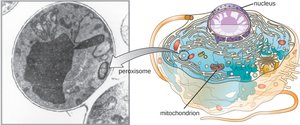
Prokaryotic Cells: Lack a nucleus; DNA is in the nucleoid region. Examples: Bacteria, Archaea.
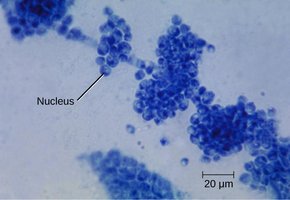
Eukaryotic Cells: Have a true nucleus and membrane-bound organelles. Examples: Fungi, Protists, Plants, Animals.
Classification of Microorganisms
Bacteria
Prokaryotic
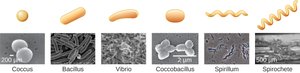
Shapes: Bacillus (rod), Coccus (spherical), Spirillum (spiral)
Cell Walls: Contain peptidoglycan
Division: Binary fission
Movement: Flagella
Archaea
Prokaryotic
Lack peptidoglycan in cell walls
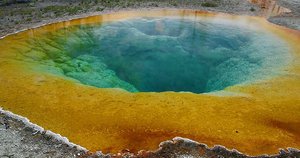
Extreme Environments: Methanogens (produce methane), Extreme halophiles (salt-loving), Extreme thermophiles (heat-loving)
Fungi
Eukaryotic
Cell Walls: Chitin
Nutrition: Absorb organic chemicals; not photosynthetic
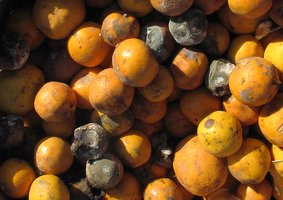
Forms: Molds and mushrooms (multicellular), Yeasts (unicellular)
Protozoa
Eukaryotic (Kingdom Protista)
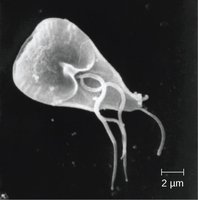
Single-celled, free-living or parasitic
Nutrition: Absorb or ingest organic chemicals
Movement: Pseudopods, cilia, or flagella
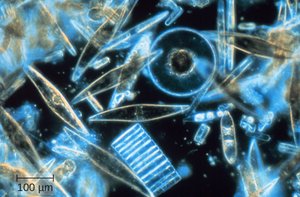
Algae
Eukaryotic (Kingdom Protista)
Single or multicellular
Cell Walls: Cellulose
Photosynthetic: Use sunlight to make sugars; oxygen is a byproduct
Viruses
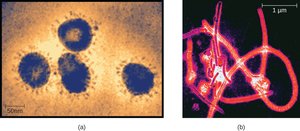
Acellular
Much smaller than bacteria
Replicate only inside living host cells; inert outside hosts
Multicellular Animal Parasites
Eukaryotic
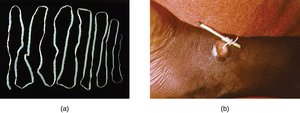
Multicellular animals
Helminths: Parasitic worms
History of Microbiology
The First Observations
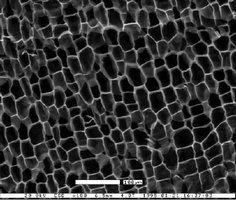
1665: Robert Hooke observed cork under a microscope, described 'cells.'
1858: Rudolf Virchow proposed that cells arise from preexisting cells (Cell Theory).
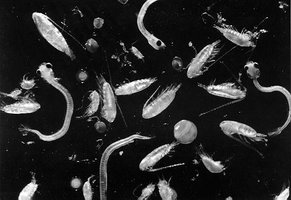
1673-1723: Anton van Leeuwenhoek observed live microorganisms ('animalcules') in various samples.

Vaccination and Chemotherapy
Vaccination
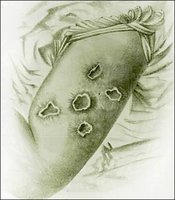
1796: Edward Jenner developed the first vaccine (smallpox) using cowpox material.
Mechanism: Exposure to less virulent microorganisms induces immunity against related pathogens.
Modern Chemotherapy
Chemotherapy: Treatment of disease using chemical substances.
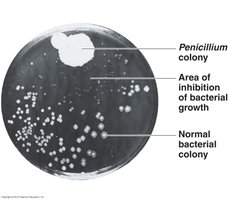
Antibiotics: Produced by bacteria and fungi to inhibit or kill other microbes.
Synthetic Drugs: Chemically synthesized in the laboratory.
Discovery of Antibiotics
1928: Alexander Fleming discovered penicillin, the first antibiotic, produced by the fungus Penicillium.
Problems: Toxicity to host cells and antibiotic resistance.
Modern Developments in Microbiology
Subfields of Microbiology
Bacteriology: Study of bacteria
Mycology: Study of fungi
Parasitology: Study of protozoa and parasitic worms
Virology: Study of viruses
Genomics: Study of genes and their functions
Immunology
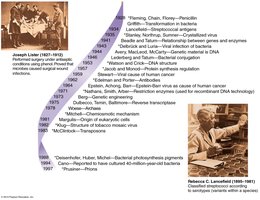
Study of immunity: Understanding how the body defends against pathogens.
Applications: Vaccines, interferons, and serotyping of bacteria.
Recombinant DNA Technology
Microbial Genetics: Study of inheritance in microbes.
Recombinant DNA: DNA molecules formed by combining genetic material from different sources.
Normal Microbiota and Biofilms
Normal Microbiota
Microbes normally present in and on the human body.
Prevent growth of pathogens and produce essential vitamins (K and B).
Biofilms
Microbes attach to each other and surfaces, forming complex communities.
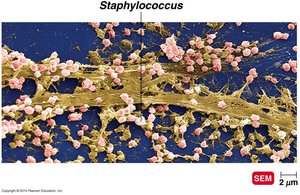
Biofilms are found on rocks, pipes, teeth, and medical implants, and are often resistant to antibiotics.
Emerging Infectious Diseases
Definition and Causes
Disease: Occurs when a pathogen overcomes host defenses.
Emerging Infectious Diseases (EIDs): New or increasing in incidence due to evolutionary changes, modern transportation, or exposure to new environments.