 Back
BackIntroduction to Microbiology: The Microbial World and You
Study Guide - Smart Notes
 Tailored notes based on your materials, expanded with key definitions, examples, and context.
Introduction to Microbiology
What are Microorganisms?
Microorganisms, or microbes, are organisms that are too small to be seen with the unaided eye. They include a diverse group of life forms such as bacteria, fungi, protozoa, algae, and viruses. Microbes are typically less than 1 mm in size and require a microscope for observation.
Examples: Fungi, Bacteria, Protozoa
Size: Cannot be seen under 1 mm with the naked eye
Where Do You Find Microorganisms?
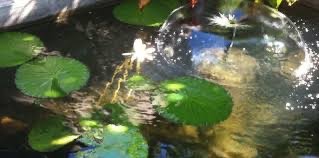
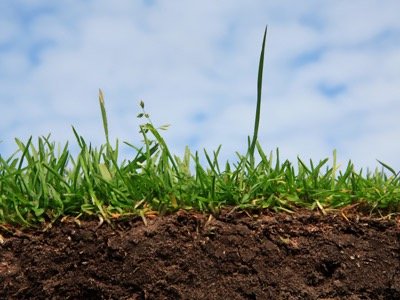
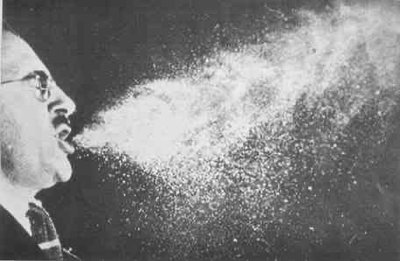
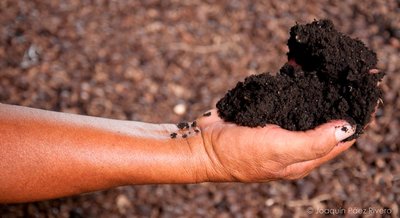
Microorganisms are found in almost every environment imaginable, including water, soil, and air. However, they are generally absent from the heart, kidneys, brain, and nervous system in healthy organisms.
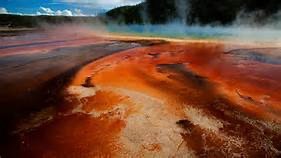
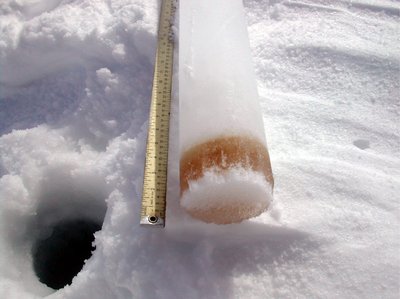
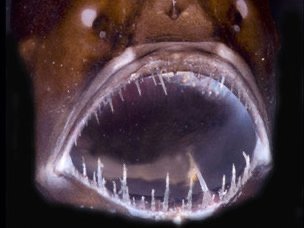
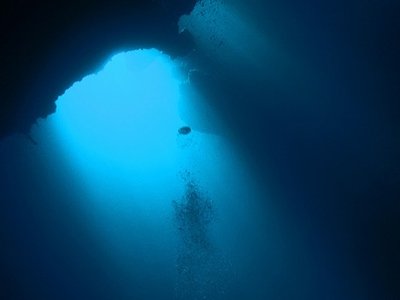
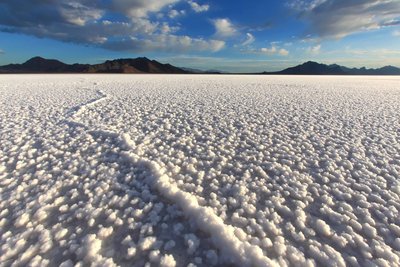
Environments: Water, soil, air, polar ice caps, hot springs, ocean depths, volcanic soil, salt flats
Extremes: Microbes can survive in environments with low oxygen, high pressure, cold or hot temperatures, and high salinity.

Microbes and the Human Body
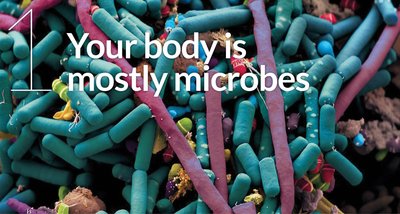
Microbes are abundant in and on the human body, outnumbering human cells by a factor of ten. They play a crucial role in training the immune system to recognize and fight pathogens.
Role: Aid in immune system development, digestion, and protection against harmful microbes
Microbes in Extreme Environments and Beyond
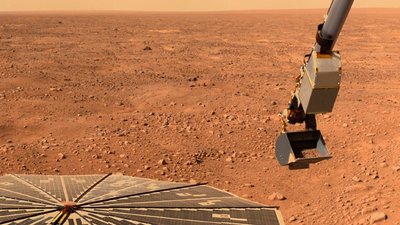
Microbes can live in extreme environments such as hot springs, polar ice, volcanic soil, and salt flats. Some scientists speculate about the possibility of microbial life on Mars due to their ability to survive harsh conditions.
Classification of Microorganisms
The Three Domains of Life
The classification of organisms into three domains was developed by Carl Woese in 1978, based on cellular organization:
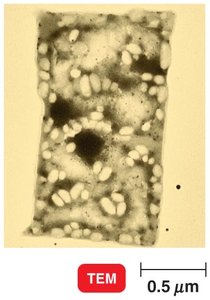
Bacteria: Prokaryotic, peptidoglycan cell walls, reproduce by binary fission, diverse metabolism
Archaea: Prokaryotic, lack peptidoglycan, live in extreme environments, not pathogenic
Eukarya: Includes protists, fungi, plants, and animals
Types of Microorganisms
Prokaryotic: Bacteria, Archaea
Eukaryotic: Fungi, Protozoa, Algae
Acellular: Viruses
Bacteria
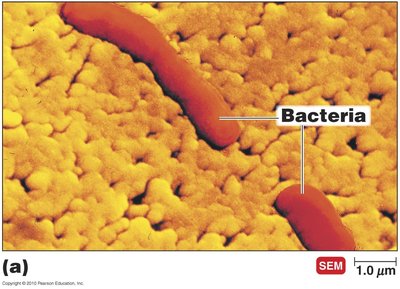
Prokaryotes with peptidoglycan cell walls
Reproduce by binary fission
Obtain energy from organic/inorganic chemicals or photosynthesis
Some are pathogens
Archaea
Prokaryotes lacking peptidoglycan
Live in extreme environments (halophiles, thermophiles)
None are known to be pathogenic
Fungi
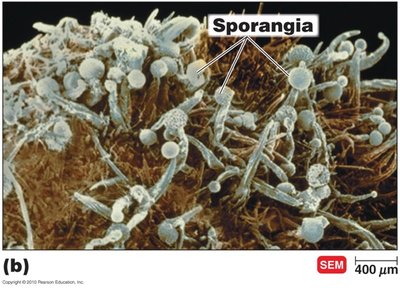
Eukaryotes with chitin cell walls
Use organic chemicals for energy
Molds and mushrooms are multicellular; yeasts are unicellular
Some are pathogens
Protozoa
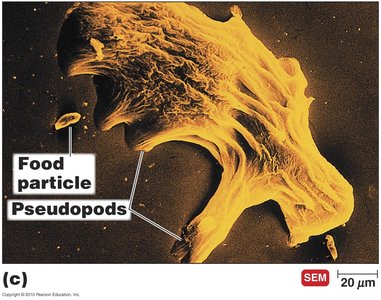
Eukaryotes that absorb or ingest organic chemicals
Motile via pseudopods, cilia, or flagella
Many are human pathogens
Algae
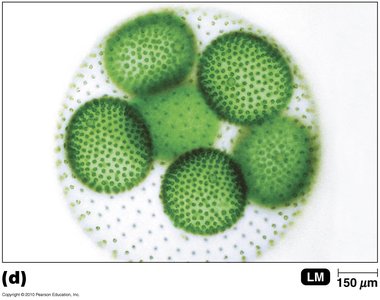
Eukaryotes with cellulose cell walls
Photosynthetic, produce oxygen and organic compounds
None are pathogenic
Viruses
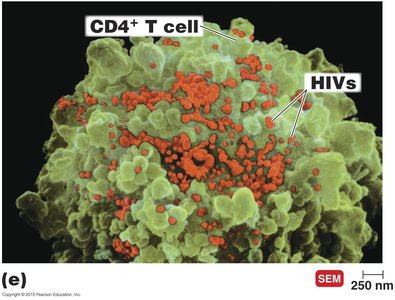
Acellular, consist of DNA or RNA core surrounded by a protein coat
May have a lipid envelope
Replicate only inside living host cells
Early Discoveries in Microbiology
The First Observations
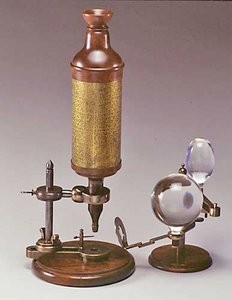
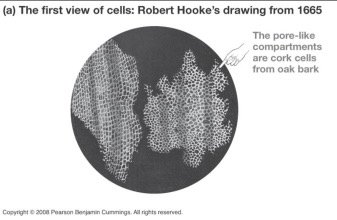
1665: Robert Hooke reported that living things are composed of cells, using a compound microscope.
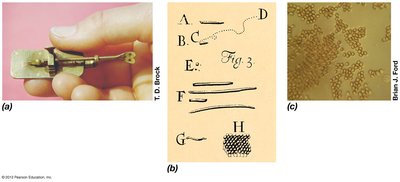
1673-1723: Anton van Leeuwenhoek described live microorganisms, calling them "wee animalcules." He used simple microscopes to observe bacteria and protozoa.
The Debate over Spontaneous Generation
Spontaneous generation was the hypothesis that life arises from nonliving matter, requiring a "vital force." Biogenesis, in contrast, is the hypothesis that living cells arise only from preexisting living cells.
Key Experiments
Scientist | Experiment | Result | Conclusion |
|---|---|---|---|
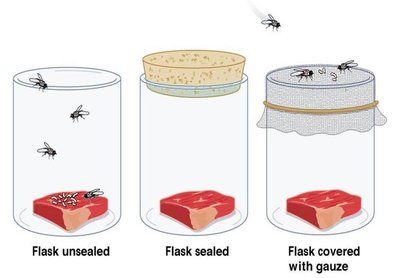
Francesco Redi (1668) | Jars with decaying meat: open, sealed, covered with gauze | Maggots appeared only in open jars | Disproved spontaneous generation for maggots |
John Needham (1745) | Boiled nutrient broth, then covered | Microbial growth | Supported spontaneous generation (contamination likely) |
Lazzaro Spallanzani (1765) | Boiled nutrient broth in sealed flasks | No microbial growth | Disproved spontaneous generation (no air entry) |
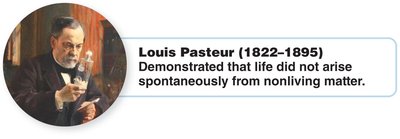
Louis Pasteur (1861) | Swan-neck flask experiment | No microbial growth unless exposed to air | Disproved spontaneous generation, supported biogenesis |
The Golden Age of Microbiology
Pasteurization and the Control of Microbial Growth
Louis Pasteur demonstrated that spoilage bacteria could be killed by heat that does not evaporate alcohol in wine. Pasteurization is the application of high heat for a short time to kill harmful bacteria in beverages.
The Impact of Microorganisms on Humans
Beneficial and Harmful Microorganisms
Microorganisms can be both beneficial and harmful to humans.
Pathogens are infectious disease agents, but most microbes are beneficial.
Modern medicine and sanitation have greatly reduced deaths from infectious diseases.
Applications of Microorganisms
Agriculture: Microbes recycle nutrients (N-cycle, S-cycle), aid in digestion (e.g., rumen in cattle), and fix nitrogen for plants.
Food Industry: Microbes are used in fermentation and production of foods like cheese, yogurt, and bread.
Antibiotics: Many antibiotics are produced by bacteria and fungi.
Biotechnology: Microbes are used to produce insulin, enzymes, and other bioproducts.
Bioremediation: Microbes break down pollutants, such as oil spills.
Biofuels: Microbes can produce renewable energy sources.
Model Organisms: Microbes are used in research to understand biological processes like DNA replication and metabolism.
Additional info: Microorganisms are essential for ecosystem functioning, human health, and industrial applications. Their study has led to major advances in biology, medicine, and environmental science.
