 Back
BackIntroduction to Microbiology: The Microbial World and You
Study Guide - Smart Notes
 Tailored notes based on your materials, expanded with key definitions, examples, and context.
Introduction to Microbiology
The Microbial World and Its Impact
Microbiology is the study of microorganisms, which are organisms too small to be seen with the naked eye. Microbes play essential roles in the environment, industry, and human health, both beneficial and harmful.
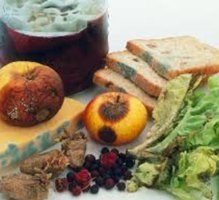
Destructive actions: Microbes can cause food spoilage and infectious diseases. Nearly 2,000 different pathogens are known to affect humans.
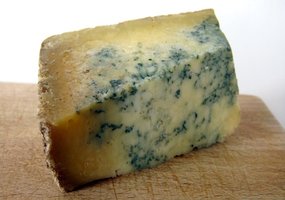
Beneficial actions: Microbes decompose organic waste, perform photosynthesis, produce fermented foods (e.g., cheese, bread, wine), synthesize drugs like insulin, clean up environmental contamination, aid in digestion, and produce vitamins such as B and K.

The Human Microbiome
Normal and Transient Microbiota
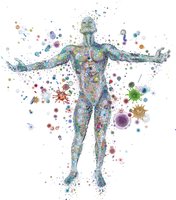
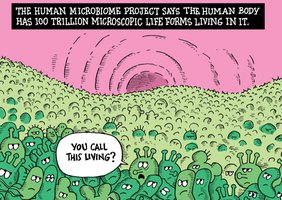
The microbiome refers to all the microorganisms living in and on the human body. Most of these microbes are harmless or beneficial, forming the normal microbiota. Transient microbiota are temporary residents. The Human Microbiome Project (2007) and the National Microbiome Initiative (2016) have advanced our understanding of these communities.
Normal microbiota: Permanent residents that do not cause disease under normal conditions.
Pathogens: Microbes that cause disease.

Naming and Classifying Microorganisms
Scientific Nomenclature
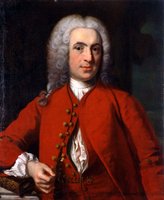
Carolus Linnaeus established the binomial system of nomenclature in 1735. Each organism is given a two-part name: the Genus (capitalized) and the specific epithet (species, lowercase). Names are italicized or underlined and may be descriptive or honor a scientist.
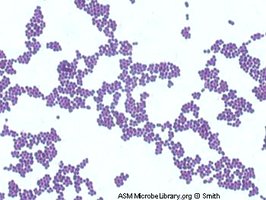
Example: Staphylococcus aureus (S. aureus): 'Staphylo' = cluster, 'coccus' = spherical, 'aureus' = golden.
Example: Escherichia coli (E. coli): Named after Theodor Escherich; 'coli' = colon.
After first use, scientific names may be abbreviated (e.g., E. coli).
Types of Microorganisms
Major Groups of Microbes
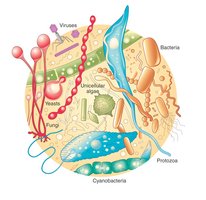
Microorganisms are classified into several groups based on their cellular structure and function:
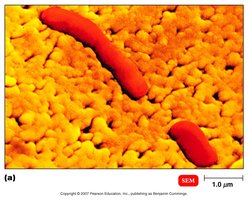
Bacteria: Prokaryotic, have peptidoglycan cell walls, reproduce by binary fission, may be motile, and gain energy from organic/inorganic chemicals or photosynthesis.
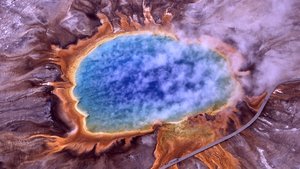
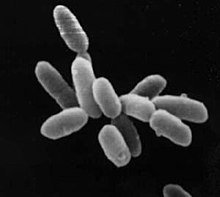
Archaea: Prokaryotic, lack peptidoglycan, often live in extreme environments (e.g., halophiles, thermophiles).
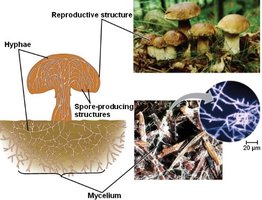
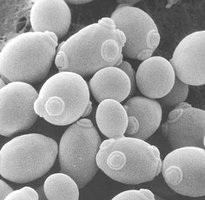
Fungi: Eukaryotic, non-photosynthetic, cell walls made of chitin, use organic chemicals for energy. Molds and mushrooms are multicellular; yeasts are unicellular.
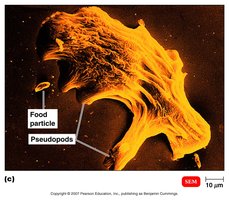
Protozoa: Unicellular eukaryotes, absorb or ingest organic chemicals, may be motile via pseudopods, cilia, or flagella.
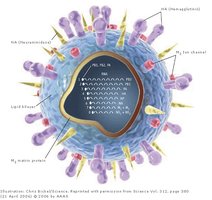
Viruses: Acellular, consist of DNA or RNA core surrounded by a protein coat (sometimes with a lipid envelope), replicate only within living host cells.
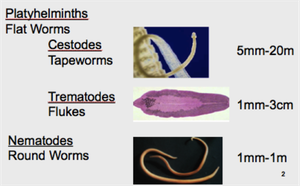
Multicellular Animal Parasites: Eukaryotic helminths (flatworms and roundworms) with complex life cycles.
The Three Domains of Life
Bacteria, Archaea, and Eukarya
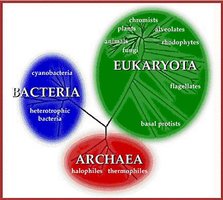
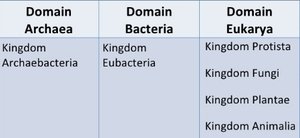
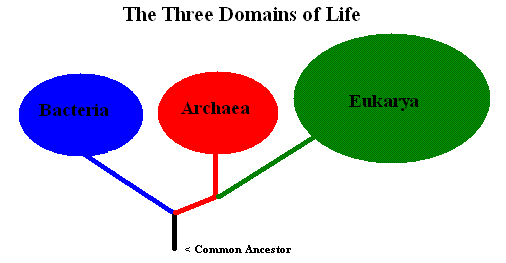
Carl Woese (1978) proposed the three-domain system based on differences in ribosomal RNA:
Bacteria: True bacteria, prokaryotic.
Archaea: Prokaryotes distinct from bacteria, often extremophiles.
Eukarya: Includes protists, fungi, plants, and animals.
Domain Archaea | Domain Bacteria | Domain Eukarya |
|---|---|---|
Kingdom Archaebacteria | Kingdom Eubacteria | Kingdom Protista Kingdom Fungi Kingdom Plantae Kingdom Animalia |
History of Microbiology
Key Discoveries and Contributors
The field of microbiology has evolved through several key discoveries:
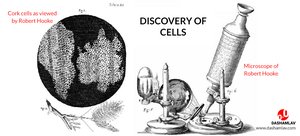
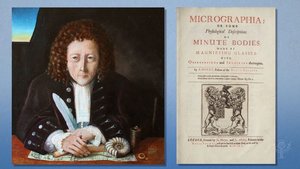
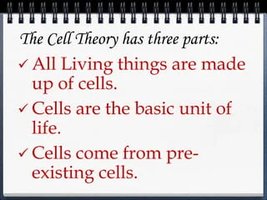
Robert Hooke (1665): Observed cells in cork, leading to the cell theory: all living things are composed of cells.
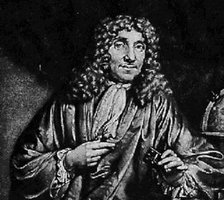
Anton van Leeuwenhoek (1673): First to observe live microorganisms ('animalcules') using a simple microscope.
Spontaneous Generation vs. Biogenesis: Debate over whether life arises from nonliving matter (spontaneous generation) or from pre-existing life (biogenesis).
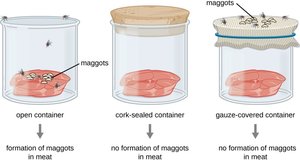
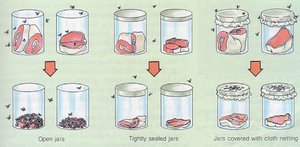
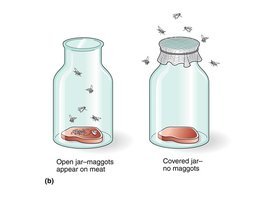
Francesco Redi (1668): Disproved spontaneous generation for larger organisms with experiments using meat and covered jars.
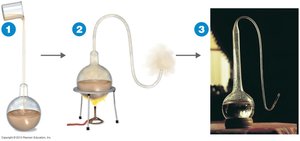
Louis Pasteur (1861): Demonstrated that microorganisms are present in the air and developed the swan-neck flask experiment, confirming biogenesis.

Golden Ages of Microbiology
Major Achievements and Techniques
Pasteur: Studied fermentation, developed pasteurization (heating to kill harmful microbes), and contributed to the germ theory of disease.
Ignaz Semmelweis: Advocated hand disinfection to prevent puerperal fever.
Joseph Lister: Introduced aseptic surgery using phenol, reducing post-operative infections.
Robert Koch: Proved the germ theory of disease with anthrax experiments and developed Koch's postulates for linking microbes to diseases.
Edward Jenner: Developed the first vaccine (smallpox) using cowpox material.
Louis Pasteur: Later explained how vaccines work and developed vaccines for several diseases.
Paul Ehrlich: Developed the first synthetic drug (salvarsan) for syphilis.
Alexander Fleming: Discovered penicillin, the first antibiotic.
Modern Microbiology
Genomics, Molecular Biology, and Antimicrobial Resistance
Genomics: Study of all genes in an organism. Microbial genetics and molecular biology have led to recombinant DNA technology (genetic engineering).
Proteomics: Study of all proteins produced by a cell.
Biofilms: Complex communities of microbes attached to surfaces, surrounded by a protective matrix. Important in health and industry.
Infectious Disease: Occurs when pathogens overcome host defenses.
Emerging Infectious Diseases (EIDs): New or changing diseases with increasing incidence.
Antimicrobial Agents: Substances that inhibit the growth of microbes.
Antimicrobial Resistance (AMR): Microbes develop resistance to drugs, making treatment difficult. Antibiotic resistance arises through genetic changes and misuse of antibiotics.
Key Terms and Definitions
Bacteriology: Study of bacteria.
Mycology: Study of fungi.
Parasitology: Study of parasites.
Immunology: Study of the immune system.
Virology: Study of viruses.
Antibiotic Resistance: The ability of bacteria to withstand the effects of antibiotics.
Biofilm: A structured community of microorganisms encapsulated within a self-produced matrix.
Infectious Disease: Disease caused by pathogenic microorganisms.
Emerging Infectious Diseases (EIDs): Diseases that are new or increasing in incidence.
Summary Table: Major Groups of Microorganisms
Group | Cell Type | Cell Wall | Reproduction | Energy Source |
|---|---|---|---|---|
Bacteria | Prokaryotic | Peptidoglycan | Binary fission | Organic/inorganic chemicals, photosynthesis |
Archaea | Prokaryotic | No peptidoglycan | Binary fission | Varied (often extremophiles) |
Fungi | Eukaryotic | Chitin | Sexual/asexual spores | Organic chemicals |
Protozoa | Eukaryotic | None | Asexual/sexual | Organic chemicals |
Viruses | Acellular | None | Within host cell | Host cell machinery |
Helminths | Eukaryotic | None | Complex life cycles | Organic chemicals |
Key Experiments and Concepts
Redi's Experiment: Disproved spontaneous generation for larger organisms using covered and uncovered meat jars.
Pasteur's Swan-Neck Flask: Demonstrated that microbes do not arise spontaneously but from other microbes in the air.
Koch's Postulates: Criteria to establish a causative relationship between a microbe and a disease.
Formulas and Equations
Bacterial Growth (Binary Fission): Where is the final number of cells, is the initial number of cells, and is the number of generations.
Additional Info
Microbiology is foundational for understanding infectious diseases, biotechnology, and environmental science.
Modern challenges include antibiotic resistance and emerging infectious diseases.
