 Back
Introduction to Microbiology: The Microbial World and Its Impact
Study Guide - Smart Notes
 Tailored notes based on your materials, expanded with key definitions, examples, and context.
Introduction to Microbiology
Definition and Scope
Microbiology is the scientific study of organisms that are too small to be seen with the naked eye, known as microorganisms or microbes. This field encompasses a diverse array of life forms, including bacteria, archaea, fungi, algae, protozoa, and viruses. Microbiology explores their structure, function, ecology, genetics, and roles in health, industry, and the environment.
Microorganisms are found in every environment that supports life, from soil and water to extreme environments like hot springs and salt lakes.
They are the oldest forms of life and constitute a major fraction of Earth's biomass.
Microbes can be single-celled or multicellular and often live in complex communities.
They have profound impacts on human health, agriculture, industry, and the biosphere.
Branches of Microbiology
Bacteriology: Study of bacteria.
Virology: Study of viruses, viroids, and prions (non-living infectious agents).
Mycology: Study of fungi.
Phycology: Study of algae.
Parasitology: Study of protozoa and parasitic worms.
Immunology: Study of the immune response to microbial infection.
Classification of Microbial Life
Domains and Major Groups
Microorganisms are classified into three domains: Bacteria, Archaea, and Eukarya. Infectious agents that are not considered living include viruses, viroids, and prions.
Bacteria: Prokaryotic, single-celled organisms with diverse metabolic capabilities.
Archaea: Prokaryotic, often found in extreme environments, distinct from bacteria in genetics and biochemistry.
Eukarya: Includes algae, protozoa, fungi, and helminths (parasitic worms); these organisms have membrane-bound organelles.
Viruses, Viroids, Prions: Non-living infectious agents; viruses consist of nucleic acid and protein, viroids are RNA molecules, and prions are infectious proteins.

Hallmarks of Life and Microbial Diversity
Characteristics of Living Microorganisms
Ability to reproduce independently using their own cellular machinery.
Organization into cells, the basic unit of life.
Metabolism: Ability to obtain and use energy.
Response to environmental stimuli.
Evolution and adaptation over generations.
Viruses and similar agents are not considered living because they cannot reproduce independently and lack cellular structure.
Significance and Applications of Microorganisms
Impact on Human Society
Microorganisms can cause infectious diseases, but also play essential roles in health, food production, and environmental processes.
They are used in biotechnology, medicine, and industry for the production of antibiotics, vaccines, enzymes, and biofuels.
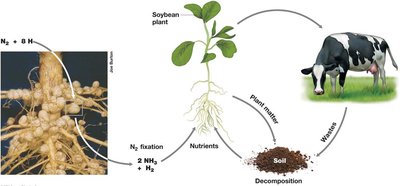
Microbes are crucial for nutrient cycling, such as nitrogen fixation and decomposition.

Examples of Microbial Applications
Fermentation: Used in making bread, wine, beer, and cheese.
Bioremediation: Microbes clean up oil spills and other environmental contaminants.
Biosynthesis: Production of drugs (e.g., insulin), vitamins, and supplements using genetically engineered microbes.





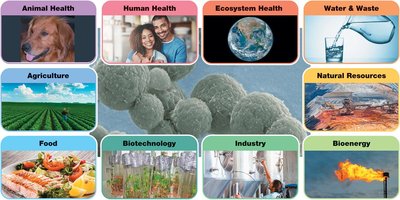
Microorganisms in the Environment
Decompose organic material, recycling nutrients in ecosystems.
Produce oxygen (e.g., cyanobacteria, algae) and fix atmospheric nitrogen into usable forms for plants.
Serve as models for genetics, cell biology, and biochemistry research.
Major Groups of Microorganisms
Bacteria
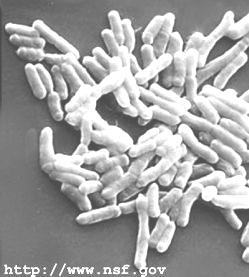
Bacteria are prokaryotic, single-celled organisms found in virtually every environment. They play roles in health, disease, and ecological processes.
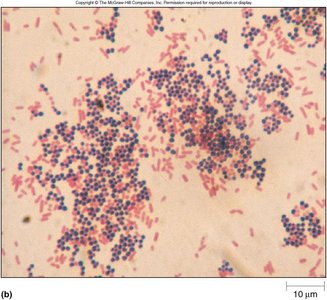
Classified by shape, metabolism, and cell wall structure (e.g., Gram stain).
Some are beneficial (gut flora), others pathogenic.
Archaea
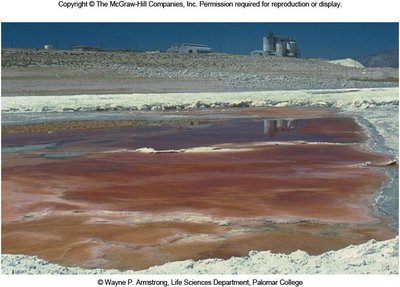
Archaea are prokaryotes distinct from bacteria, often found in extreme environments such as hot springs and salt lakes. They have unique membrane lipids and genetic sequences.
Not known to cause disease in plants or animals.
Important for understanding evolution and life's adaptability.
Algae
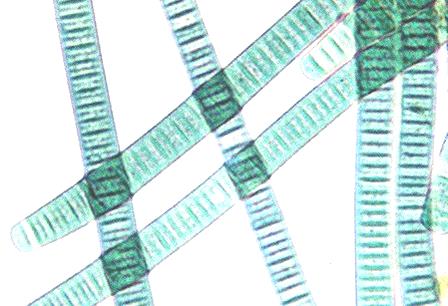
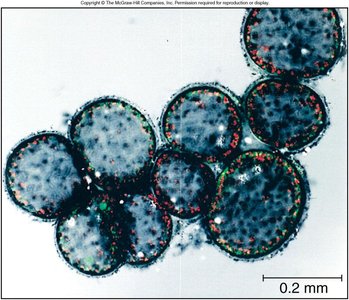
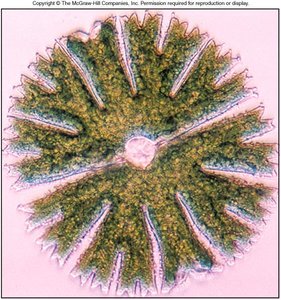
Algae are photosynthetic eukaryotes, producing much of Earth's oxygen and serving as primary producers in aquatic food chains.
Can be unicellular or multicellular.
Essential for ecosystem productivity and oxygen generation.
Fungi
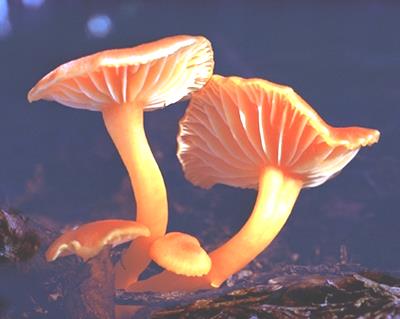
Fungi are eukaryotic organisms that include yeasts, molds, and mushrooms. They are important decomposers, pathogens, and sources of antibiotics.
Some cause diseases in humans (e.g., athlete's foot) and plants.
Used in food production (bread, beer, cheese) and pharmaceuticals (penicillin).
Protozoa
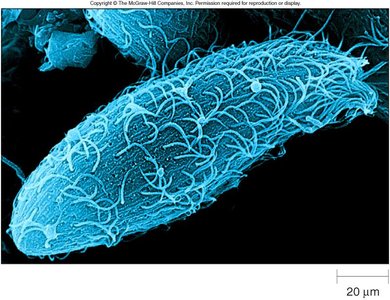
Protozoa are unicellular eukaryotes, many of which are motile and can cause diseases such as malaria. They play roles in aquatic food webs and ecosystem stability.
Viruses, Viroids, and Prions
Viruses are non-living infectious agents composed of nucleic acid and protein. Viroids are infectious RNA molecules, and prions are infectious proteins. These agents can cause diseases in plants, animals, and even bacteria.
Microscopy in Microbiology
Principles of Microscopy
Microscopes are essential tools in microbiology, allowing visualization of organisms too small for the naked eye. Magnification and resolution are key concepts:
Magnification: Enlargement of an object's image.
Resolution: Ability to distinguish two closely spaced objects as separate.
Light microscopes use visible light; electron microscopes use electron beams for higher resolution.
Types of Microscopy
Bright-field microscopy: Standard light microscopy for stained or naturally pigmented specimens.
Phase-contrast and dark-field microscopy: Allow visualization of unstained, living cells.
Fluorescence microscopy: Uses fluorescent dyes to visualize specific structures.
Electron microscopy: Transmission (TEM) and scanning (SEM) electron microscopes provide high-resolution images of internal and surface structures, respectively.
Staining Techniques
Staining increases contrast between microorganisms and their background, aiding in identification and diagnosis. Common stains include Gram stain and acid-fast stain.
Summary
Microbiology is foundational to understanding life, disease, and biotechnology.
Microorganisms are diverse, ancient, and essential to Earth's ecosystems and human society.
Microscopy and molecular biology are key tools for studying microbes.
