 Back
BackKingdom Fungi: Structure, Classification, and Medical Importance
Study Guide - Smart Notes
 Tailored notes based on your materials, expanded with key definitions, examples, and context.
Kingdom Fungi: Overview
General Characteristics
The Kingdom Fungi comprises eukaryotic, non-photosynthetic organisms that play essential roles in nature, agriculture, manufacturing, and medicine. Fungi include yeasts, molds, and fleshy fungi such as mushrooms.
Eukaryotes: Fungi possess membrane-bound organelles and a true nucleus.
Non-photosynthetic: They do not perform photosynthesis and obtain nutrients by absorption.
Importance of Fungi
Ecological Role: Fungi are crucial decomposers, recycling organic material into inorganic molecules, thus maintaining nutrient cycles in ecosystems.
Agriculture: Some fungi are edible (e.g., mushrooms), while others cause spoilage of crops and stored food products.
Manufacturing: Fungi are used in the production of alcoholic beverages, cheeses, and bread. Yeasts ferment sugars to produce alcohol and carbon dioxide.
Medicine: Fungi are sources of antibiotics (e.g., penicillin from Penicillium notatum) and can also cause diseases (mycoses) in humans, animals, and plants.
Fungal Structure and Growth
Types of Fungal Growth
Fungi exhibit various growth forms, including molds, fleshy fungi, and yeasts.
Molds: Multicellular, filamentous fungi that form visible colonies and spores.
Fleshy Fungi: Large, multicellular structures such as mushrooms.
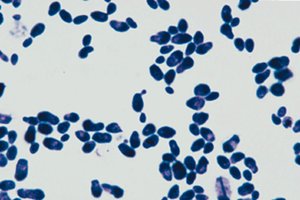
Yeasts: Unicellular, oval-shaped fungi that reproduce by budding.
Mycelia and Hyphae
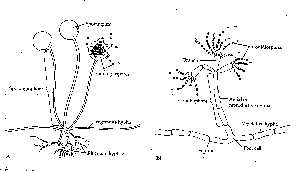
Molds grow as masses of branching filaments called mycelia, which are composed of individual strands known as hyphae.
Vegetative hyphae: Grow on or in the substrate, absorbing nutrients.
Reproductive (aerial) hyphae: Extend above the surface and produce spores.
Hyphal Structure
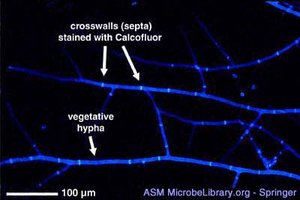
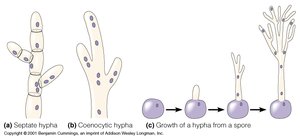
Hyphae may be divided by crosswalls (septa) or may lack septa (coenocytic).
Septate hyphae: Contain crosswalls that divide the hyphae into individual cells.
Coenocytic (nonseptate) hyphae: Lack crosswalls, forming a continuous multinucleate cytoplasm.
Classification of Fungi
Criteria for Classification
Fungi are classified based on colony appearance, hyphal organization, and spore structure.
Colony morphology: Color, size, and texture.
Hyphal organization: Septate or nonseptate hyphae.
Spore structure: Type and arrangement of reproductive spores.
Major Fungal Phyla
Phylum | Key Features | Examples |
|---|---|---|
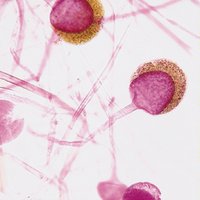
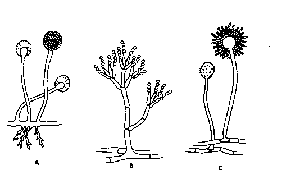
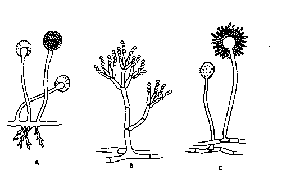
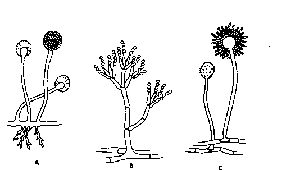
Zygomycota | Nonseptate hyphae, sporangia for asexual spores | Rhizopus, Mucor |
Ascomycota | Septate hyphae, spores in asci (sacs) | Penicillium, Aspergillus |
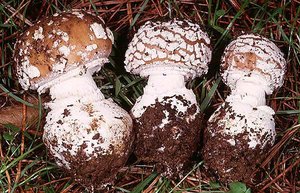
Basidiomycota | Fleshy fungi, basidia produce sexual spores | Mushrooms, rusts, smuts |
Deuteromycota | Imperfect fungi (no known sexual stage) | Many yeasts and molds |
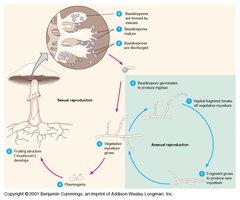
Fungal Reproduction
Asexual and Sexual Spores
Asexual spores: Produced by mitosis; genetically identical to the parent.
Sexual spores: Result from the fusion of nuclei from two opposite mating strains.
Medical Importance of Fungi
Mycoses (Fungal Infections)
Fungal infections are classified based on the site and mode of infection:
Systemic mycoses: Deep infections, often acquired by inhalation of spores; may spread from lungs to other organs.
Subcutaneous mycoses: Occur beneath the skin, usually after traumatic implantation of spores.
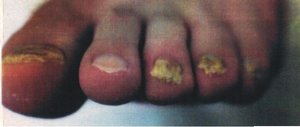
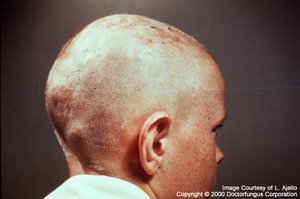
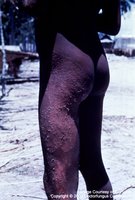
Cutaneous mycoses: Affect hair, skin, and nails; caused by dermatophytes that secrete keratinase.
Opportunistic mycoses: Caused by normal flora fungi in immunocompromised hosts.
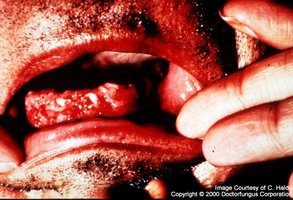
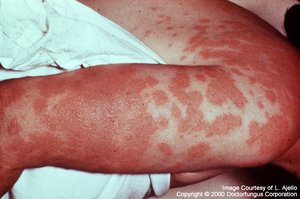
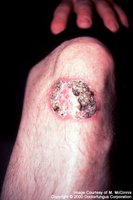
Systemic Mycoses
Histoplasmosis: Caused by Histoplasma capsulatum; begins in the lungs, may cause oral lesions.
Coccidiomycosis (Valley Fever): Caused by Coccidioides immitis; spores inhaled from soil, causes rash and systemic symptoms.
Blastomycosis: Caused by Blastomyces dermatitidis; starts in the lungs, may cause cutaneous ulcers.
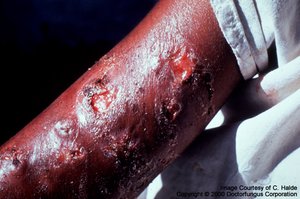
Subcutaneous Mycoses
Sporotrichosis: Caused by Sporothrix schenckii; associated with puncture wounds from plants ("Rosepicker’s Disease").
Cutaneous Mycoses
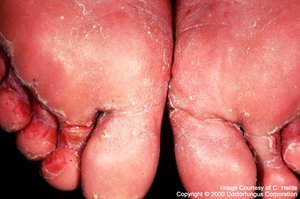
Dermatophyte infections: Affect hair, skin, and nails; commonly called tinea or ringworm.
Transmission: Direct contact or via fomites (e.g., barbershop clippers).
Opportunistic Mycoses
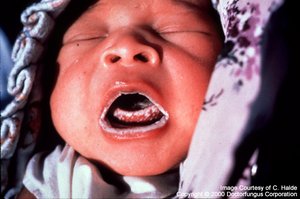
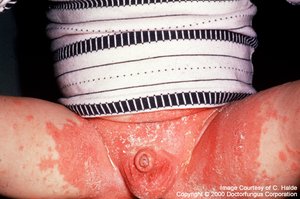
Candida albicans: Causes thrush, diaper rash, and vaginal infections, especially in immunocompromised individuals or those on antibiotics.
Additional Information
Mycology: The study of fungi, including their taxonomy, structure, function, and associated diseases.
Laboratory Contaminants: Fungi are common contaminants in laboratory settings due to their airborne spores and rapid growth.
Hallucinogenic Fungi: Some species (e.g., Amanita muscaria) produce toxins that cause hallucinations and have historical significance.
