 Back
BackLimits to Microbial Growth and Methods of Microbial Control
Study Guide - Smart Notes
 Tailored notes based on your materials, expanded with key definitions, examples, and context.
Limits to Microbial Growth
Temperature and Microbial Growth
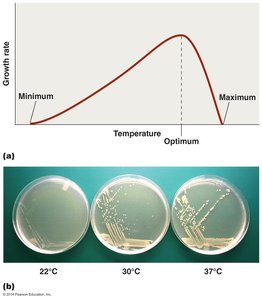
Microbial growth is highly influenced by temperature, with each species exhibiting a characteristic range and optimum for growth. Understanding these ranges is crucial for controlling microbial populations in laboratory and industrial settings.
Minimum, Optimum, and Maximum Temperatures: Microbes grow slowly at their minimum temperature, reach peak growth at their optimum, and decline rapidly at their maximum.
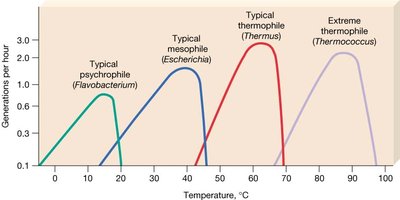
Temperature Classifications:
Psychrophiles: Grow best at low temperatures (0–20°C).
Psychrotrophs: Grow at low to moderate temperatures (20–30°C).
Mesophiles: Grow best at moderate temperatures (20–45°C), including most human pathogens.
Thermophiles: Grow at high temperatures (45–80°C).
Hyperthermophiles: Grow at extremely high temperatures (>80°C).
Applications: Temperature control is used in food preservation, sterilization, and laboratory culturing.
Physical Methods of Microbial Control: Heat
Heat is a primary method for controlling microbial growth, with moist heat (autoclaving, boiling, pasteurization) and dry heat (hot-air oven, incineration) being commonly used.
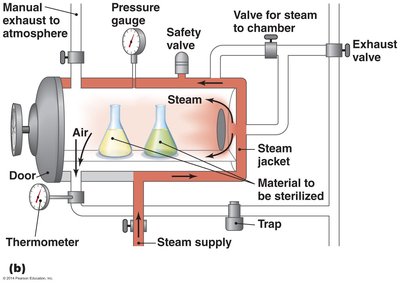
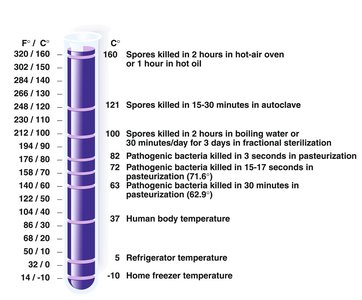
Autoclaving: Uses pressurized steam at 121°C for 15–30 minutes to sterilize materials.
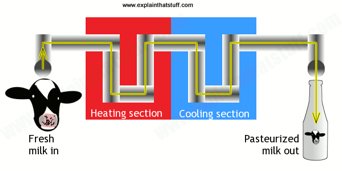
Pasteurization: Reduces microbial load in liquids, targeting pathogens like Salmonella and E. coli.
Dry Heat: Used for sterilizing glassware and metal instruments.
Temperature Effects: Different temperatures and exposure times are required to kill spores, pathogens, and vegetative cells.
Oxygen Requirements for Microbial Growth
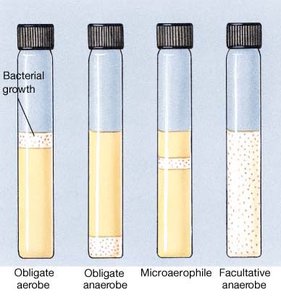
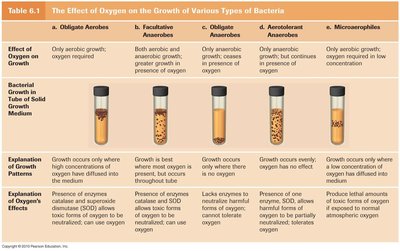
Oxygen availability is a critical factor influencing microbial growth, with microbes classified based on their oxygen requirements.
Obligate Aerobes: Require oxygen for growth.
Obligate Anaerobes: Cannot tolerate oxygen.
Microaerophiles: Require low levels of oxygen.
Facultative Anaerobes: Can grow with or without oxygen.
Aerotolerant Anaerobes: Do not use oxygen but can tolerate its presence.
pH and Microbial Growth
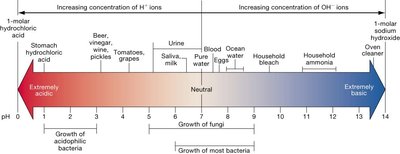
The pH of the environment affects microbial growth, with most bacteria preferring neutral pH, while some thrive in acidic or basic conditions.
Acidophiles: Grow in acidic environments (pH < 5).
Neutrophiles: Grow best at neutral pH (pH 6–8).
Alkaliphiles: Grow in basic environments (pH > 8).
Applications: Acidic environments are used in food preservation (e.g., yogurt, pickling).
Salt Tolerance and Osmotic Pressure
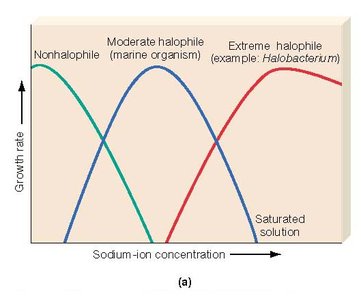
Microbes vary in their ability to tolerate salt and osmotic pressure, which is important in food preservation and environmental adaptation.
Halophiles: Require high salt concentrations for growth.
Halotolerant: Can tolerate some salt but grow best without it.
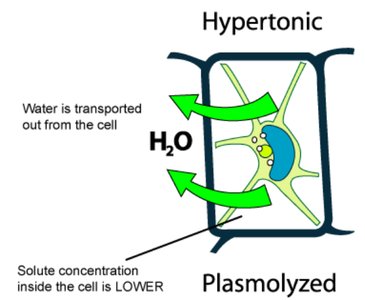
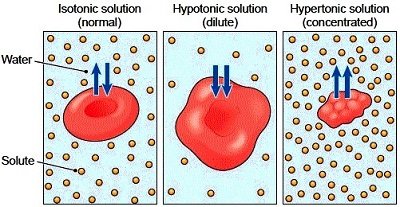
Osmotic Effects: Hypertonic environments cause plasmolysis, inhibiting microbial growth.
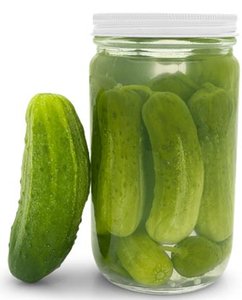
Food Preservation: Pickling uses salt and acid to inhibit most microbes, except extreme halophiles.
Radiation and Microbial Control
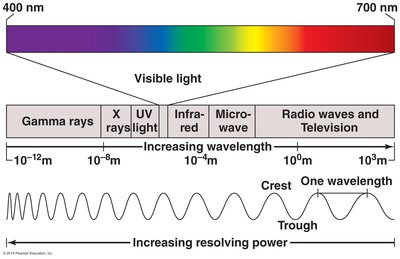
Radiation is used to control microbial growth, with different types having varying effects.
Visible Light: Little to no effect on microbes.
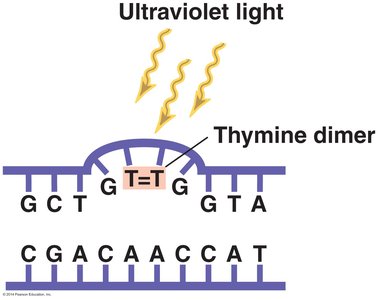
Ultraviolet (UV) Light: Causes thymine dimers in DNA, inhibiting replication.
Ionizing Radiation: (X-rays, gamma rays) Creates ions and free radicals, disrupting cellular processes.
Filtration as a Physical Control
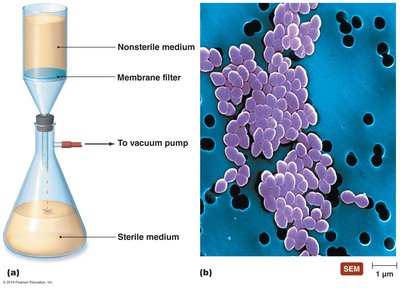
Filtration is used to remove microbes from heat-sensitive liquids and air.
Membrane Filtration: Removes microbes from liquids using filters with small pore sizes.
HEPA Filters: Remove particulates from air, used in surgical units and clean rooms.
Summary Table: Physical Methods of Microbial Control
Method | Conditions | Action | Representative Uses |
|---|---|---|---|
Boiling | 10 min at 100°C | Denatures proteins, destroys membranes | Disinfection of baby bottles, sanitization of equipment |
Autoclaving | 15 min at 121°C | Denatures proteins, destroys membranes | Sterilization of media, lab equipment, surgical instruments |
Pasteurization | 15 sec at 72°C | Denatures proteins, destroys membranes | Milk, fruit juices, beer |
Ultra-high-temperature | 1–3 sec at 140°C | Denatures proteins, destroys membranes | Sterilization of dairy products |
Dry heat | 2 hr at 160°C | Oxidizes, denatures proteins | Sterilization of glassware, powders |
Filtration | Filter pores to 0.22 μm | Physically removes microbes | Sterilization of heat-sensitive liquids |
Ionizing radiation | Varies with exposure | Damages DNA | Sterilization of medical equipment, food |
UV radiation | 260 nm wavelength | Formation of thymine dimers | Disinfection of surfaces, air |
*Additional info: Table entries inferred and expanded for clarity based on standard microbiology references.* ----------------------------------------
