 Back
Mechanisms of Pathogenicity: How Microorganisms Cause Disease
Study Guide - Smart Notes
 Tailored notes based on your materials, expanded with key definitions, examples, and context.
Mechanisms of Pathogenicity
Overview
Pathogenicity refers to the ability of microorganisms to cause disease in a host. This process involves several steps, including entry into the host, evasion of host defenses, damage to host cells, and exit from the host. Understanding these mechanisms is crucial for microbiology students, as it forms the basis for studying infectious diseases and their prevention.
How Microorganisms Enter a Host
Portals of Entry
Microorganisms can enter the host through various portals, such as the skin, mucous membranes, and parenteral routes. The entry point often determines the type and severity of infection.
Skin: Usually acts as a barrier, but can be breached by cuts or insect bites.
Mucous membranes: Includes respiratory, gastrointestinal, and genitourinary tracts.
Parenteral route: Direct deposition into tissues via punctures, injections, or bites.
How Bacterial Pathogens Penetrate Host Defenses
Phagocytosis and Immune Evasion
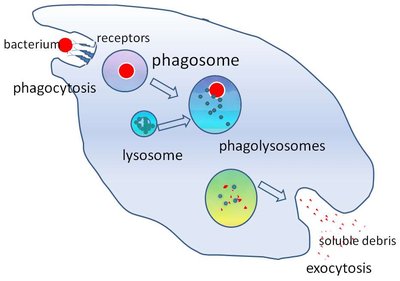
Bacterial pathogens must evade or resist phagocytosis to establish infection. Phagocytosis is a process where immune cells engulf and destroy pathogens.
Capsules: Some bacteria produce capsules that inhibit phagocytosis.
Enzymes: Pathogens may secrete enzymes that degrade host tissues or immune molecules.
How Bacterial Pathogens Damage Host Cells
Mechanisms of Damage
Once inside the host, bacteria can damage cells in several ways:
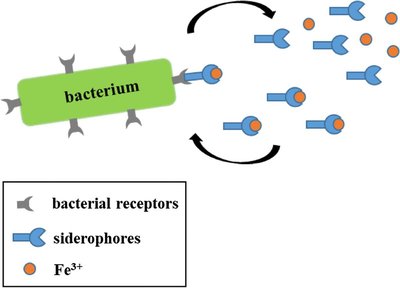
Using host nutrients: Pathogens compete with host cells for essential nutrients, such as iron.
Direct damage: Bacteria may disrupt host cell function, use host cell resources, or produce waste products.
Toxins: Many bacteria produce toxins that directly harm host cells.
Inducing hypersensitivity reactions: Some pathogens trigger excessive immune responses, leading to tissue damage.
Using the Host’s Nutrients: Siderophores
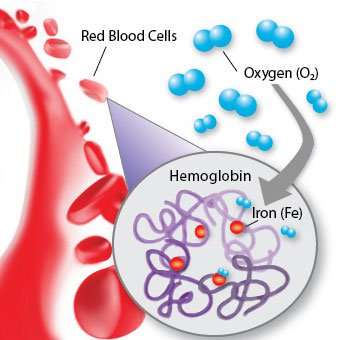
Iron is a critical nutrient for most pathogenic bacteria. Hosts bind iron to transport proteins, making it less available. Pathogens secrete siderophores, which are proteins with a high affinity for iron, allowing them to capture and utilize iron from the host.
Direct Damage to Host Cells
Bacteria can disrupt host cell function, use host cell nutrients, produce waste products, and induce cell lysis, which allows infection to spread.
Production of Toxins
Toxins are poisonous substances produced by microorganisms. They are often the primary driver of pathogenicity and can be transported by blood or lymph. Toxins damage eukaryotic plasma membranes and produce disease symptoms.
Exotoxins
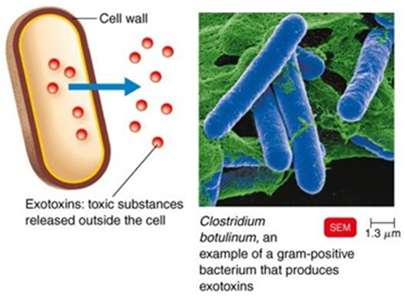
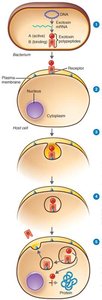
Exotoxins are proteins produced and secreted by bacteria. They are soluble in bodily fluids, highly specific for their targets, and can destroy host cells or inhibit metabolic functions. Some exotoxins are highly potent.
A-B Toxins
A-B toxins consist of two parts: an enzyme component (A) and a binding component (B). Genotoxins are a type of A-B toxin that damage DNA.
Membrane-Disrupting Toxins
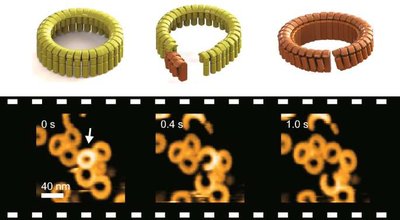
These toxins lyse host cells by disrupting plasma membranes, forming protein channels, or disrupting phospholipids. They may help pathogens escape phagocytosis and enter host tissues. Examples include hemolysins and streptolysins.
Superantigens
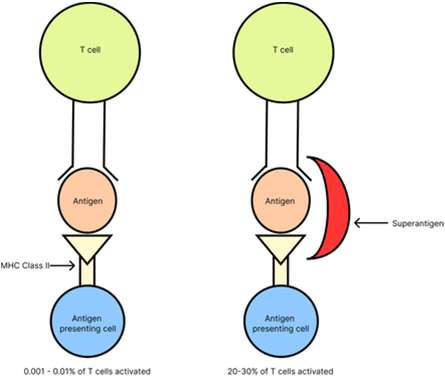
Superantigens provoke an intense immune response by causing the release of cytokines from host cells. This leads to symptoms such as fever, nausea, vomiting, diarrhea, shock, and death.
Exotoxins: Diseases and Mechanisms
Exotoxins are associated with various diseases. The following table summarizes key examples:
Mechanism | Type of Exotoxin | Bacterium | Disease |
|---|---|---|---|
Neurotoxin; prevents transmission of nerve impulses; flaccid paralysis results. | A-B | Clostridium botulinum | Botulism |
Neurotoxin; blocks nerve impulses to muscle relaxation pathway; results in uncontrollable muscle contractions. | A-B | C. tetani | Tetanus |
Cytotoxin; inhibits protein synthesis, especially in nerve, heart, and kidney cells. | A-B | Corynebacterium diphtheriae | Diphtheria |
Exotoxin; causes skin layers to separate and slough off. | A-B | S. aureus | Scalded skin syndrome |
Enterotoxin; causes secretion of large amounts of fluids and electrolytes that result in diarrhea. | A-B | V. cholerae | Cholera |
Enterotoxin; causes secretion of large amounts of fluids and electrolytes that result in diarrhea. | A-B | Enterotoxigenic E. coli and Shigella spp. | Traveler’s diarrhea |
Two A components enter the cell via the same B component. The A proteins cause shock and reduce the immune response. | A-B | Bacillus anthracis | Anthrax |
Genotoxin; causes breaks in DNA | A-B toxin | Helicobacter spp. | Gastric (stomach) cancer |
Genotoxin (colibactin); binds to adenines in DNA. | A-B toxin | E. coli | Colorectal cancer |
The Panton-Valentine leukocidin found in MRSA makes pores in WBC membranes. | Membrane-disrupting | Methicillin-resistant S. aureus | Skin and soft tissue infection |
One exotoxin (cytotoxin) causes massive red blood cell destruction (hemolysis); another exotoxin (enterotoxin) causes diarrhea. | Membrane-disrupting | C. perfringens and other Clostridium species | Gas gangrene and food poisoning |
Enterotoxin; causes secretion of fluids and electrolytes that results in diarrhea; also acts as cytotoxin that disrupts host cytoskeleton. | Membrane-disrupting | Clostridioides difficile | Antibiotic-associated diarrhea |
Enterotoxin; causes secretion of fluids and electrolytes that results in diarrhea. | Superantigen | S. aureus | Food poisoning |
Causes secretion of fluids and electrolytes from capillaries that decreases blood volume and lowers blood pressure. | Superantigen | S. aureus | Toxic shock syndrome (TSS) |
Endotoxins
Structure and Effects
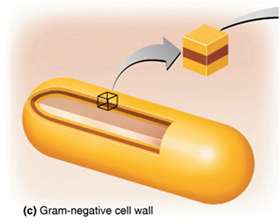
Endotoxins are lipid A portions of lipopolysaccharides (LPS) found in the outer membrane of Gram-negative bacteria. They are released during bacterial multiplication and after cell death, stimulating the release of large quantities of cytokines and causing fever, chills, weakness, and generalized aches.
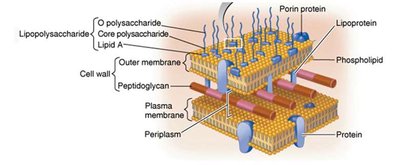
Endotoxins and the Pyrogenic Response
Endotoxins trigger the pyrogenic response, leading to fever and other systemic symptoms. This response is mediated by cytokine release.
Exotoxins vs Endotoxins
Comparison Table
The following table summarizes the differences between exotoxins and endotoxins:
Property | Exotoxins | Endotoxins |
|---|---|---|
Bacterial Source | Produced inside bacteria, then released | Lipid portions that are part of the bacterial cell wall, then released |
Relation to Microorganism | Proteins produced and secreted | Part of cell wall, released upon cell death |
Chemistry | Protein | Lipid A (lipopolysaccharide) |
Pharmacology (Effect on Body) | Specific for particular cell structure or function | General effects: fever, weakness, aches, shock |
Heat Stability | Unstable (destroyed by heat) | Stable (resistant to heat) |
Toxicity | High | Low |
Fever-Producing | No | Yes |
Lethal Dose | Small | Large |
Representative Diseases | Gas gangrene, tetanus, botulism, diphtheria, scarlet fever, cyanobacterial intoxication | Typhoid fever, urinary tract infections, meningococcal meningitis |
Plasmids and Pathogenicity
Role of Plasmids
Plasmids are extrachromosomal DNA elements that may carry genes for toxins, antibiotic production, and enzymes. Virulence plasmids carry genes that affect pathogenicity, such as the tetanus neurotoxin and coagulase of Staphylococcus aureus.
Lysogeny and Pathogenicity
Lysogenic Conversion
Lysogenic conversion changes the characteristics of a microbe due to the incorporation of a prophage. This process can result in the acquisition of new virulence factors, such as genes for diphtheria toxin.
Summary
Understanding the mechanisms of pathogenicity is essential for recognizing how microorganisms cause disease. Key concepts include the role of toxins, immune evasion, nutrient acquisition, and genetic elements such as plasmids and prophages in enhancing pathogenicity.
