Back
BackMechanisms of Pathogenicity: Microbial Interactions with the Host
Study Guide - Smart Notes
 Tailored notes based on your materials, expanded with key definitions, examples, and context.
Mechanisms of Pathogenicity
Resident Flora (Normal Flora)
Resident flora, also known as normal flora, refers to the microorganisms that inhabit various parts of the human body, particularly those in contact with the external environment. Understanding the distribution and function of resident flora is crucial for clinical microbiologists, as it helps distinguish between normal and pathogenic microbes.
Definition: Resident flora are microbes that become established in specific body sites.
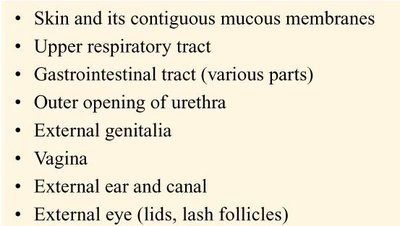
Sites with Resident Flora: Skin, upper respiratory tract, gastrointestinal tract, outer opening of urethra, external genitalia, vagina, external ear and canal, external eye (lids, lash follicles).
Sterile Sites: Internal organs, tissues, and fluids are typically microbe-free.
Transients: Microbes that occupy the body for only short periods.
Importance: Knowledge of resident flora helps in diagnosing infections and understanding endogenous infections.
Benefits of Normal Flora
Normal flora play a vital role in maintaining host health by preventing the overgrowth of harmful microbes and enhancing host defenses.
Microbial Antagonism: Resident flora inhibit the growth of pathogens.
Endogenous Infections: Occur when normal flora enter previously sterile sites.
Health Impact: Flora create an environment that prevents infections and can enhance host defenses.
Alteration: Antibiotics, dietary changes, and disease may alter the composition of normal flora.
Contact, Colonization, Infection, and Disease
The process of infection involves several stages, from initial contact to disease manifestation. Microbes may form biofilms or establish mutual or commensal associations.
Biofilms: Communities of microbes adhering to surfaces.
Infection: Pathogenic microbes penetrate host defenses, enter tissues, and multiply.
Pathogen: An infectious agent capable of causing disease.
Infectious Disease: Infection that causes damage or disruption to tissues and organs.
Major Factors in the Development of Infection
Pathogens are classified based on their ability to cause disease and their interaction with host defenses.
True Pathogens: Cause disease in healthy individuals (e.g., Influenza virus, plague bacillus, malarial protozoan).
Opportunistic Pathogens: Cause disease when host defenses are compromised (e.g., Pseudomonas sp., Candida albicans).
Virulence: Severity of disease depends on the virulence of the pathogen; virulence factors are characteristics that enhance pathogenicity.
Virulence Factors
Virulence factors are traits that enable pathogens to cause disease. Examples include capsules, toxins, and enzymes.
Capsule: Prevents phagocytosis by host immune cells (e.g., Streptococcus pneumoniae).
Toxins: Exotoxins and endotoxins disrupt host cell function.
Enzymes: Hyaluronidase and collagenase facilitate tissue invasion.
Process of Infection: Portals of Entry to Disease
Pathogens must follow a series of steps to cause disease, beginning with entry into the host and ending with disease manifestation.
Portals of Entry: Skin, gastrointestinal tract, respiratory tract, urogenital tract, transplacental.
Exogenous Agents: Originate from outside the body.
Endogenous Agents: Already exist on or in the body (normal flora).

Requirement for Infectious Dose (ID)
The infectious dose is the minimum number of microbes required for infection to proceed. Pathogens with smaller IDs are generally more virulent.
Definition: Minimum number of microbes required for infection.
Virulence: Microbes with small IDs have greater virulence.
Example: Measles requires only 1 virus for infection, while cholera requires 100,000,000 cells.
Attaching to the Host: Adhesion Mechanisms
Adhesion is the process by which microbes gain a stable foothold at the portal of entry, often involving specific interactions between microbial and host molecules.
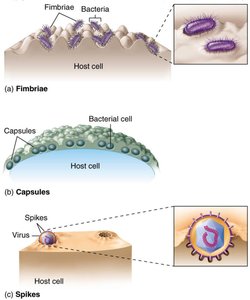
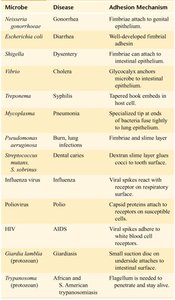
Mechanisms: Fimbriae, flagella, adhesive slimes or capsules, cilia, suckers, hooks, barbs.
Example: Neisseria gonorrhoeae uses fimbriae to attach to genital epithelium.
Patterns of Infection
Infections can be classified based on their localization, duration, and the number of microbes involved.
Localized Infection: Confined to a specific tissue.
Systemic Infection: Spreads to several sites, often via the bloodstream.
Mixed Infection: Several microbes grow simultaneously at the infection site.
Primary Infection: Initial infection.
Secondary Infection: Another infection by a different microbe.
Acute Infection: Rapid onset, severe but short-lived effects.
Chronic Infection: Progresses and persists over a long period.
Persistence of Microbes in Hosts
Microbes may persist in hosts that appear healthy, leading to latent infections, chronic carriers, or asymptomatic infections.
Latency: Microbe can periodically become active and produce recurrent disease.
Chronic Carrier: Person with a latent infection who sheds the infectious agent.
Asymptomatic Infection: Host does not show signs of disease despite being infected.
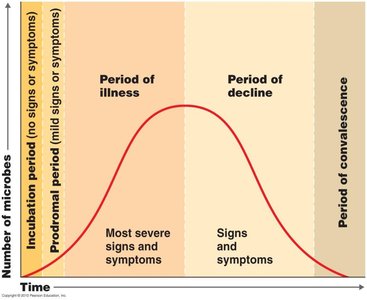
Stages of Infection and Disease
Clinical infections progress through distinct stages, each characterized by specific signs and symptoms.
Incubation Period: Time from initial contact to appearance of symptoms; agent is multiplying.
Prodromal Stage: Vague discomfort, nonspecific complaints.
Period of Disease: High multiplication, well-established infection, specific signs and symptoms.
Convalescent Period: Symptoms decline as person recovers.
Portals of Exit
Pathogens depart the host via specific avenues, influencing the spread of infection.
Respiratory: Mucus, sputum, nasal drainage, saliva.
Skin Scales
Fecal Exit
Urogenital Tract
Removal of Blood
Acquisition and Transmission of Infectious Agents
Transmission can be communicable or non-communicable, depending on whether the infectious agent is transferred from host to host.
Communicable Disease: Infectious agent transmitted from one host to another.
Contagious Disease: Highly communicable.
Non-communicable Disease: Not transmitted from host to host; may arise from normal microflora or environmental sources.
Reservoirs and Sources of Infection
The reservoir is the primary habitat of a pathogen, while the source is the individual or object from which infection is acquired.
Reservoir: Human or animal carrier, soil, water, plants.
Source: Individual or object from which infection is acquired.
Living Reservoirs and Carriers
Carriers are individuals who shelter pathogens and spread them to others, often without experiencing disease themselves.
Asymptomatic Carrier: Shows no symptoms.
Incubation Carrier: Spreads agent during incubation period.
Convalescent Carrier: Recuperating without symptoms.
Chronic Carrier: Shelters agent for a long period.
Passive Carrier: Healthcare provider transfers pathogens to patients.
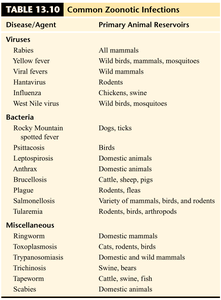
Zoonoses
Zoonoses are diseases naturally transmissible from animals to humans and are responsible for many emerging diseases worldwide.
Examples: Rabies, yellow fever, influenza, plague.
Reservoirs: Wild mammals, birds, domestic animals.
Patterns of Transmission
Transmission can occur via direct contact, indirect contact, vehicles, or airborne routes.
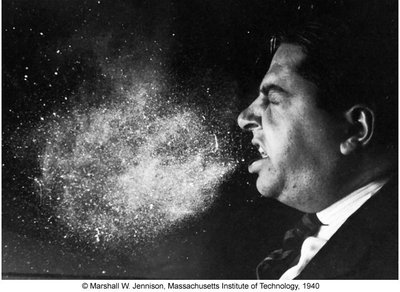
Direct Contact: Physical contact or fine aerosol droplets.
Indirect Contact: Passes from infected host to intermediate conveyor (fomites) and then to another host.
Vehicle: Inanimate material, food, water, biological products.
Airborne: Droplet nuclei, aerosols.

Biological vs. Mechanical Vectors
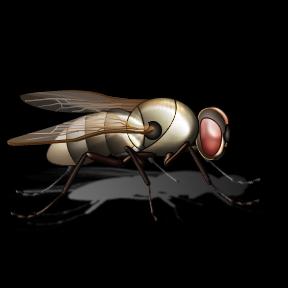
Vectors are organisms that transmit pathogens. Biological vectors participate in the pathogen's life cycle, while mechanical vectors merely transport pathogens.
Biological Vector: Mosquito transmitting malaria.
Mechanical Vector: Fly transporting bacteria on its body.
Evading Host Defenses
Pathogens employ various strategies to evade host defenses, including anti-phagocytic mechanisms, enzyme production, antigenic variation, and hiding within host cells.
Anti-phagocytic: Capsule prevents engulfment by immune cells.
Enzymes: Hyaluronidase and collagenase break down host tissues.
Antigenic Variation: Pathogens alter surface proteins to evade immune detection.
Intracellular Hiding: Pathogens hide within host cells.
Host Damage: Toxins
Pathogens cause host damage directly or through toxins. Toxins are classified as endotoxins or exotoxins.
Exotoxins: Secreted by bacteria, highly specific, potent effects (e.g., diphtheria toxin).
Endotoxins: Part of the bacterial cell wall (lipopolysaccharide), released upon cell death, causes generalized effects (e.g., fever).
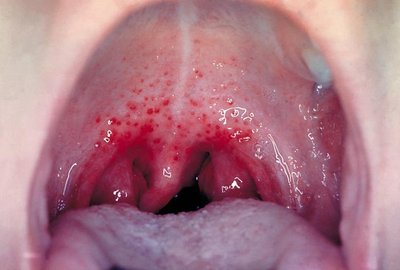
Pathogenic Properties of Viruses
Viruses cause disease by hiding in host cells and inducing cytopathic effects, which disrupt normal cell function.
Hiding in Cells: Viruses evade immune detection by residing within host cells.
Cytopathic Effects: Structural changes in host cells due to viral infection.
Healthcare Associated Infections (HAI)
Healthcare associated infections are acquired during hospital stays and are often caused by drug-resistant microorganisms.
Sources: Surgical procedures, equipment, personnel.
Common Sites: Urinary tract, respiratory tract, surgical incisions.
Common Organisms: E. coli, Pseudomonas, Staphylococcus.
Prevalence: 2 to 4 million cases/year in the U.S., with approximately 90,000 deaths.
Universal Blood and Body Fluid Precautions
Universal precautions are stringent measures to prevent the spread of nosocomial infections, based on the assumption that all patient specimens could harbor infectious agents.
Application: Protects both patients and healthcare workers.
CDC Guidelines: Emphasize treating all specimens with equal care to prevent transmission.
Additional info:
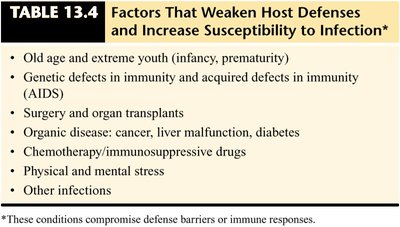
Factors that weaken host defenses include old age, extreme youth, genetic defects, surgery, organic disease, chemotherapy, stress, and other infections.
Signs and symptoms of infection include fever, septicemia, skin eruptions, leukocytosis, swollen lymph nodes, abscesses, tachycardia, antibodies in serum, chills, pain, nausea, malaise, fatigue, chest tightness, itching, headache, weakness, abdominal cramps, anorexia, and sore throat.