 Back
Medical Microbiology Exam 1 Review: Core Concepts and Structures
Study Guide - Smart Notes
 Tailored notes based on your materials, expanded with key definitions, examples, and context.
A Brief History of Microbiology
Major Contributors and Their Discoveries
Microbiology has evolved through the contributions of several key scientists who shaped our understanding of microorganisms and their roles in health and disease.
Antonie van Leeuwenhoek: Developed the first working microscope capable of observing microbes, which he called "animalcules."
Louis Pasteur: Disproved spontaneous generation, proved fermentation is carried out by living organisms (yeast), and developed vaccines.
Robert Koch: Established Koch's postulates for identifying disease-causing bacteria, pioneered staining techniques, and introduced Petri dishes.
Francesco Redi & Spallanzani: Provided evidence against spontaneous generation.
Florence Nightingale: Codified nursing, emphasized cleanliness and aseptic techniques.
Fanny Hesse: Championed the use of agar in Petri dishes.
Lady Mary Wortley Montagu: Introduced variolation for smallpox protection.
Edward Jenner: Developed the first vaccine against a viral disease (smallpox).
Characterizing and Classifying Microorganisms
Major Groups of Microorganisms
Microorganisms are classified into six main categories, each with unique structural and functional characteristics.
Bacteria: Unicellular, lack nuclei, reproduce asexually, cell walls contain peptidoglycan.
Archaea: Unicellular, lack nuclei, cell walls composed of polymers other than peptidoglycan, often extremophiles.
Fungi: Eukaryotic, possess cell walls. Includes molds (multicellular, reproduce by spores) and yeasts (unicellular, reproduce by budding).
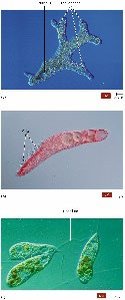
Protozoa: Single-celled eukaryotes, capable of locomotion via pseudopods, cilia, or flagella.
Algae: Unicellular or multicellular, photosynthetic.
Small multicellular animals: Includes various microscopic organisms.
Example: Amoeba, Paramecium, and Euglena are representative protozoa and algae.
Cell Structure and Function
Prokaryotic Cell Structure
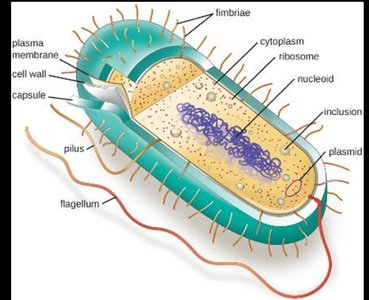
Prokaryotic cells (bacteria and archaea) have distinct structural features that differentiate them from eukaryotic cells.
Cell wall: Provides structure, shape, and protection from osmotic forces.
Capsule and slime layer: Act as virulence factors, aiding in attachment and resistance to antimicrobial drugs.
Pilus: Found in some gram-negative bacteria, used for conjugation.
Fimbriae: Found in both gram-negative and gram-positive bacteria, used for attachment.
Flagella: Used for motility; differences exist between bacterial, archaeal, and eukaryotic flagella.
Nucleoid: Region containing the bacterial chromosome.
Plasmid: Small, circular DNA molecules.
Bacterial Cell Wall Composition
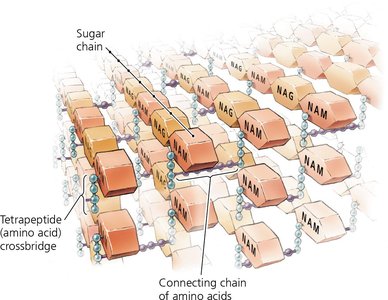
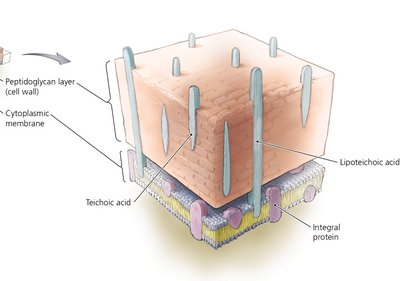
The bacterial cell wall is primarily composed of peptidoglycan, which provides rigidity and protection.
Peptidoglycan: Consists of sugar chains (N-acetylglucosamine [NAG] and N-acetylmuramic acid [NAM]) cross-linked by tetrapeptide chains.
Gram-positive cell walls: Thick peptidoglycan layer, teichoic acids, and lipoteichoic acids.
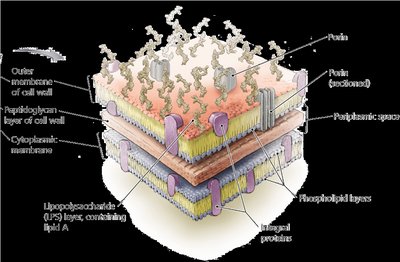
Gram-negative cell walls: Thin peptidoglycan layer, outer membrane with lipopolysaccharide (LPS), phospholipids, and proteins.
The Chemistry of Microbiology
Atoms, Bonds, and Molecules
Atoms are the fundamental building blocks of molecules, consisting of protons, neutrons, and electrons. Chemical bonds form through the sharing or transfer of valence electrons.
Covalent bonds: Sharing of electron pairs between atoms.
Non-polar covalent: Electrons are shared equally.
Polar covalent: Electrons are shared unequally.
Ionic bonds: Transfer of electrons, resulting in cations and anions.
Hydrogen bonds: Electrical attraction between partially charged hydrogen and other molecules.
Example: Formation and breaking of chemical bonds involve energy changes: endothermic (formation) and exothermic (breaking).
Carbohydrates: Structure and Function
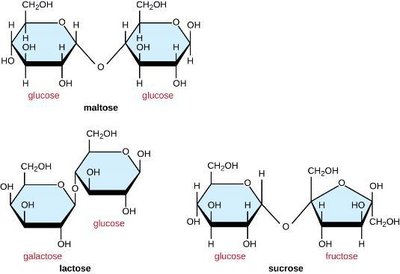
Carbohydrates are essential biomolecules, serving as energy sources and structural components. Disaccharides are formed by dehydration synthesis.
Maltose: Composed of two glucose molecules.
Sucrose: Composed of glucose and fructose.
Lactose: Composed of glucose and galactose.

Polysaccharides and Glucose Storage
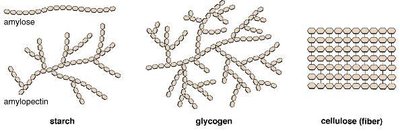
Cells store glucose in various forms of poly-glucose, such as starch, glycogen, and cellulose.
Starch: Storage form in plants.
Glycogen: Storage form in animals and some bacteria.
Cellulose: Structural component in plant cell walls.
Lipids: Structure and Types
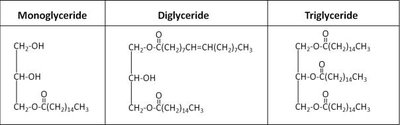
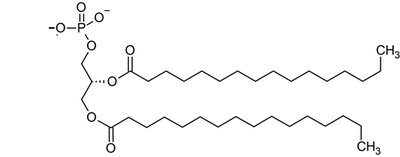
Lipids are hydrophobic molecules essential for membrane structure and energy storage. They include fatty acids, glycerol, triglycerides, phospholipids, and sterols.
Fatty acids: Long hydrocarbon chains with a carboxyl group.
Glycerol: Backbone for triglycerides and phospholipids.
Triglycerides: Three fatty acids linked to glycerol.
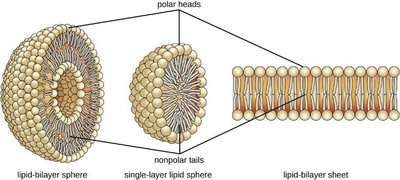
Phospholipids: Major constituent of cell membranes, form bilayers in aqueous environments.
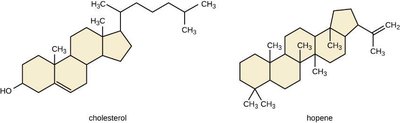
Cholesterol and hopene: Reinforce membrane structure in eukaryotes and prokaryotes, respectively.
Proteins: Structure and Function
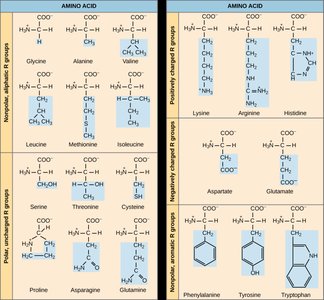
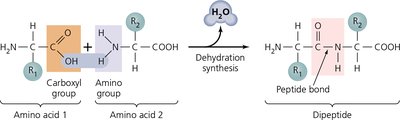
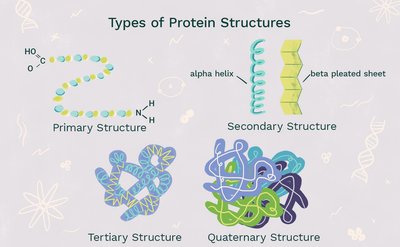
Proteins are polymers of amino acids, each with a unique side group affecting its properties. Peptide bonds form via dehydration synthesis.
Primary structure: Sequence of amino acids.
Secondary structure: Alpha helices and beta sheets.
Tertiary structure: Folding of the peptide chain.
Quaternary structure: Association of multiple peptide chains.
Enzymes: Catalysts of Biological Reactions
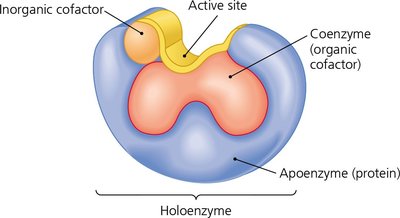
Enzymes are proteins that catalyze biochemical reactions by lowering activation energy. They are not consumed in the reaction.
Active site: Region where substrate binds.
Allosteric regulation: Enzyme activity can be modulated by molecules binding away from the active site.
Inhibitors: Competitive and noncompetitive inhibitors block enzyme activity.
Feedback inhibition: Controls enzyme action in metabolic pathways.
Nucleic Acids: Structure and Function
Nucleic Acid Structure
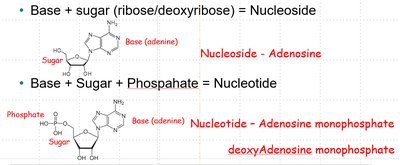
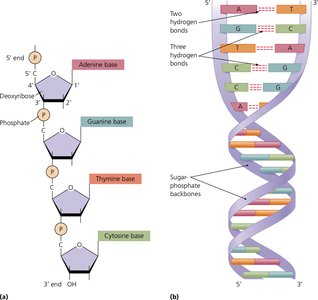
Nucleic acids are polymers of nucleotides, each consisting of a base, sugar, and phosphate. DNA is double-stranded and antiparallel, with complementary base pairing.
Phosphodiester backbone: Covalent bonds link nucleotides.
Base pairing: Three H bonds between C and G; two H bonds between T and A (DNA) or U and A (RNA).
DNA bases: Adenine, Cytidine, Guanine, Thymine.
RNA bases: Adenine, Cytidine, Guanine, Uracil.
Microbial Metabolism
Catabolism and Anabolism
Metabolism includes catabolic (energy-generating) and anabolic (energy-consuming) pathways. Both are essential for cellular energy balance.
Catabolism: Breakdown of larger molecules to release energy.
Anabolism: Synthesis of larger molecules, requiring energy.
Carbohydrate Catabolism: Glycolysis, Krebs Cycle, and Fermentation
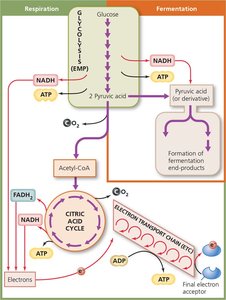
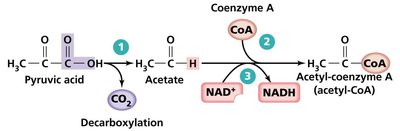
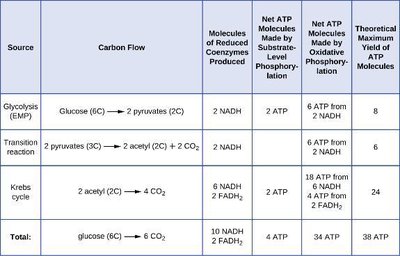
Glucose is the primary energy source, catabolized by cellular respiration and fermentation.
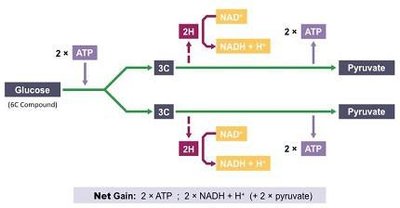
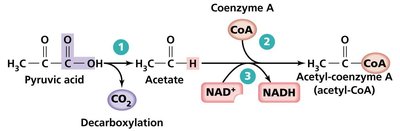
Glycolysis: Converts glucose to pyruvate, generating ATP and NADH.
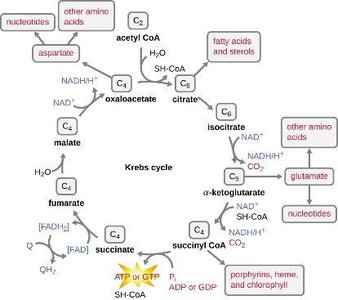
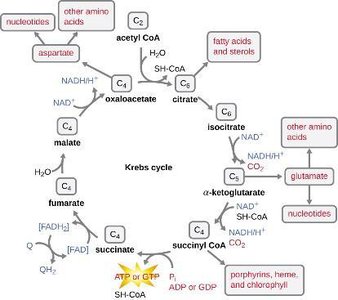
Krebs Cycle: Further oxidizes pyruvate, producing ATP, NADH, FADH2, and biosynthetic intermediates.
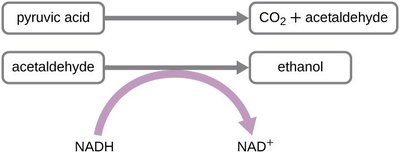
Fermentation: Under anaerobic conditions, pyruvate is converted to products like ethanol, lactic acid, and others, regenerating NAD+.

Electron Transport Chain and ATP Production
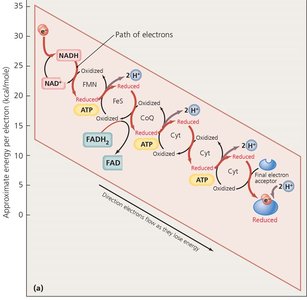
The electron transport chain (ETC) is the site of most ATP production, using energy from electrons to pump protons and establish a gradient.
Location: Inner mitochondrial membrane (eukaryotes), cytoplasmic membrane (prokaryotes).
Final electron acceptor: Usually oxygen.
ATP synthesis: Driven by proton gradient via ATP synthase.
Metabolic Intermediates and Biosynthesis
Metabolic intermediates from glycolysis and the Krebs cycle are used to synthesize macromolecules and functional cellular components.
Metabolite | Pathway | Macromolecule Synthesized | Functional Use |
|---|---|---|---|
Glucose 6-Phosphate | Glycolysis | Lipopolysaccharide | Outer membrane of cell wall |
Fructose 6-Phosphate | Glycolysis | Peptidoglycan | Cell wall |
Glyceraldehyde 3-Phosphate (G3P) | Glycolysis | Glycerol portion of lipids | Fats—energy storage |
Phosphoglyceric Acid | Glycolysis | Amino acids: cysteine, selenocysteine, glycine, serine | Enzymes |
Phosphoenolpyruvic Acid (PEP) | Glycolysis | Amino acids: phenylalanine, tryptophan, tyrosine | Enzymes |
Pyruvic Acid | Glycolysis | Amino acids: alanine, leucine, valine | Enzymes |
Ribose 5-Phosphate | Pentose phosphate pathway | DNA, RNA, amino acid, histidine | Genome, enzymes |
Microbial Nutrition and Growth
Microbial Growth and Biofilms
Microbial growth refers to an increase in population due to reproduction. Microbes can form discrete colonies or biofilms, which are complex communities on surfaces.
Colony: Aggregation of cells from a single parent cell.
Biofilm: Collection of microbes living on a surface, often more harmful as part of a biofilm.
Nutritional Requirements
Microbes require sources of carbon, energy, and electrons for growth.
Autotrophs: Manufacture all nutritive requirements from elemental compounds.
Heterotrophs: Consume complex organic materials.
Chemotrophs: Obtain energy through oxidation of electron donors.
Phototrophs: Capture light energy for metabolism.
Organotrophs: Obtain electrons from organic compounds.
Lithotrophs: Obtain electrons from inorganic compounds.
Oxygen and Nitrogen Requirements
Microbes vary in their oxygen requirements and ability to utilize nitrogen.
Aerobes: Require oxygen.
Anaerobes: Do not require oxygen.
Facultative anaerobes: Can live with or without oxygen.
Aerotolerant anaerobes: Tolerate oxygen but do not use it.
Microaerophiles: Require low oxygen concentrations.
Nitrogen fixation: Certain bacteria convert atmospheric nitrogen to usable forms.
Physical Requirements for Growth
Microbial growth is influenced by temperature, pH, and water availability.
Temperature: Affects protein structure and membrane fluidity.
pH: Neutrophiles grow best near neutral pH; acidophiles in acidic habitats; alkalinophiles in alkaline environments.
Water: Essential for dissolving enzymes and nutrients; osmotic and hydrostatic pressure affect cell survival.
Biofilms and Quorum Sensing
Biofilms are formed through complex relationships among microorganisms, often regulated by quorum sensing—a communication process using chemical signaling molecules.
Quorum sensing: Bacteria produce, release, and detect autoinducers to coordinate group behaviors.
Steps: Production, release, accumulation & detection, response.
Cell Division
Binary Fission
Most microorganisms reproduce by binary fission, dividing in half to produce two daughter cells.
Summary
Understanding the integrated systems of microbial structure, function, metabolism, and growth is essential for medical microbiology. Focus on the relationships between concepts for effective exam preparation.
